(1953, Washington D.C., USA)
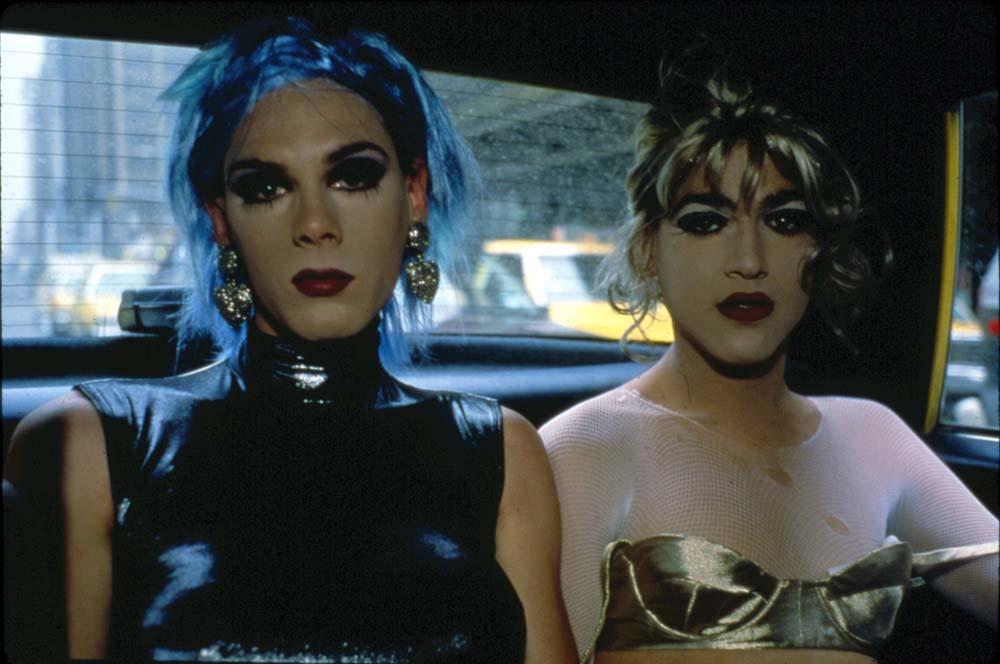
 Nan Goldin She is an American artist, renovator of documentary photography and narrator of the New York countercultural scene of the 70s and 80s.
Goldin was born in 1953 to a Jewish-born family in Washington, D.C., but grew up among several adoptive families from different New England cities, after her sister committed suicide. Soon after, Goldin enters a Boston-area experimental school, the Satya Community School. When she is 15, she has her first contact with photography at school; two years later, when the 70s begin, Goldin already appears as an aspiring professional photographer inspired, according to herself, “in the images of fashion magazines”.
Around this time, Goldin began to frequent the community of Provincetown, a popular Massachusetts vacation destination for gays on the American East Coast. There, the artist knows those who were to be inhabitants and protagonists of her photographs for the next 20 years: Bruce, Sharon, Cookie, Waters …
Shortly afterwards, Goldin entered the School of the Museum of Fine Arts in Boston, where he graduated in 1978. In his class, well-known artists such as Philip-Lorca diCorcia and David Armstrong, whom he had met in Satya and who would have studied, also studied. of becoming one of Goldin’s great accomplices. At that time, in addition, the photographer began to work with color films and to use flash lights.
With that baggage, Goldin leaves Boston and settles in the Bowery neighborhood of Manhattan, where he meets the outbreak of punk and the parallel appearance of dozens of countercultural impulses. In New York, the photographer finds the great theme of her work: the narration of the sentimental and sexual life of that environment. Goldin, in fact, calls herself a “documentary photographer”.
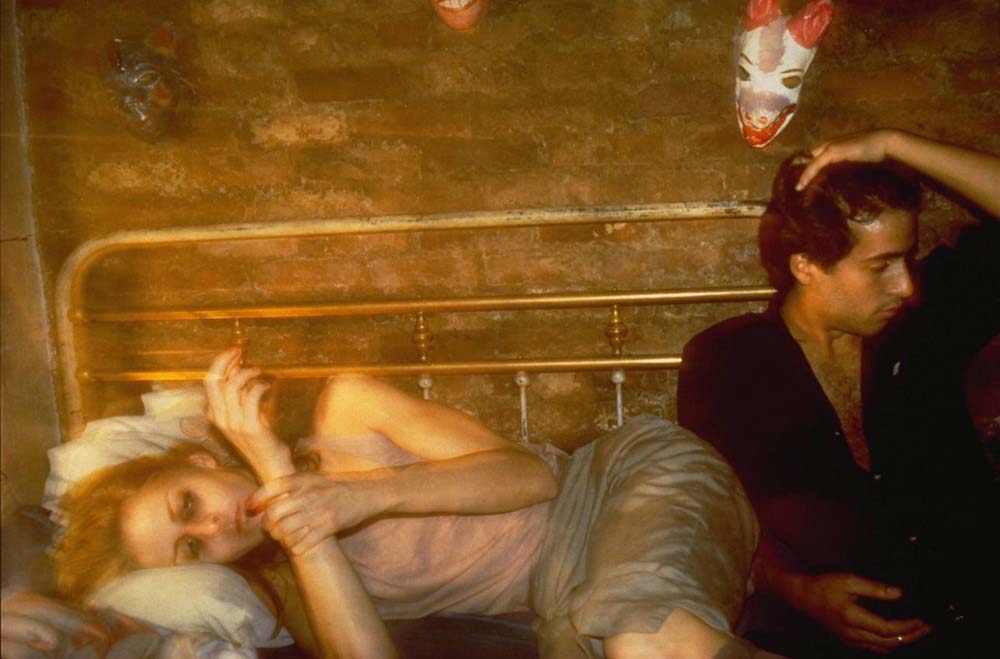
To undertake this narrative, Goldin works with series of photographs that tell from inside the lives of his friends: initiation, fulfillment and sexual dependence, depression, poverty, love, loneliness, violence, illness … To emphasize the narrative effect , Goldin presents those images in films that show the photographs successively. The most famous of them is called The Ballad of Sexual Dependence (a title taken from a song by Bertolt Brecht), and it already shows the devastating effect of AIDS on that generation in 1986. One of his later series, The Ballad from the Morgue insists on the same topic.
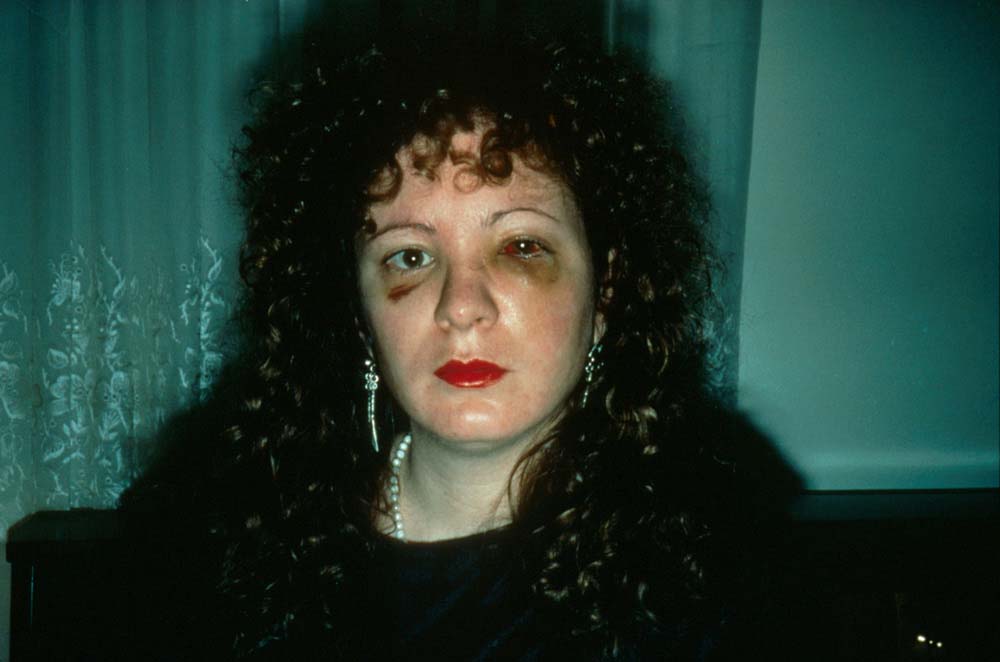
So much so that, shortly after presenting The Ballad of sexual dependency in Europe, Goldin enters a detoxification clinic, where he continues to work. There, the self-portrait becomes one of the recurring themes of his work. Later, the photographer would shoot an autobiographical documentary, I’ll be your mirror, which takes its title from a song by the Velvet Underground.
Shortly after leaving the clinic, in 1991, Goldin leaves the United States and leaves for Berlin to care for his friend Alf Bold, who is ill with AIDS. Since then, the photographer lives between the German capital, Paris and Yale, where she is a teacher.
In 2007 he received the Hasselblad Foundation International Prize for his work.
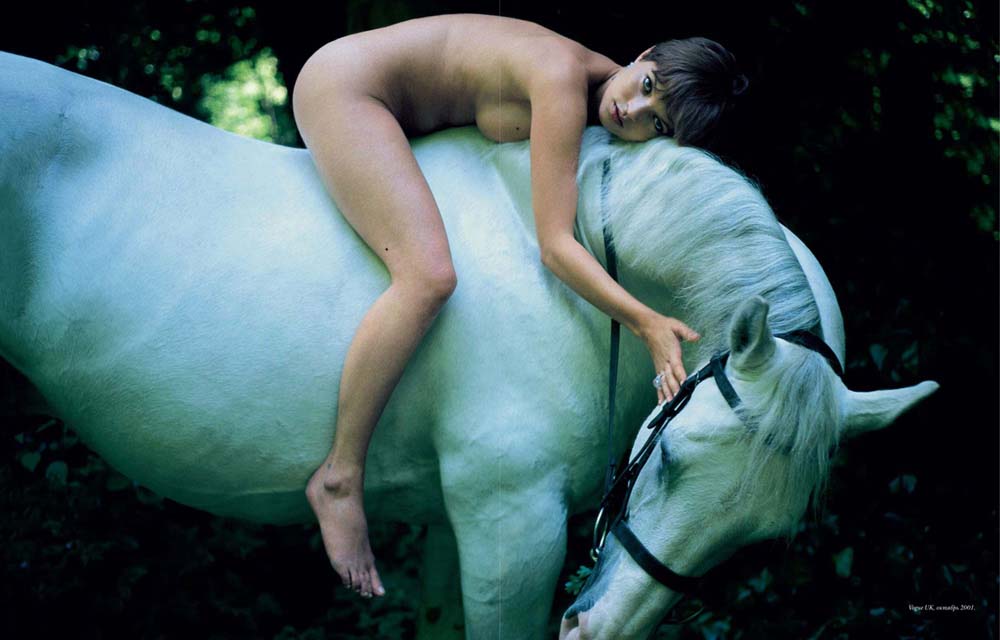
Algunas de sus fotografías

You might also like