( February, 24, 1955, Barcelona, Spain )
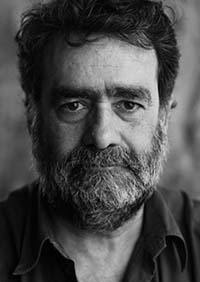 Joan Fontcuberta i Villà is an artist, teacher, essayist, critic and promoter of Spanish art specialized in photography, David Octavious Hill award for the Fotografisches Akademie GDL of Germany in 1988, Chevalier de l’Ordre des Arts et des Lettres by the Ministry of Culture in France in 1994, National Photography Award, granted by the Ministry of Culture of Spain in 1998 and National Essay Award in 2011.
Biography
Bachelor of Information Sciences, Fontcuberta is a professor of Audiovisual Communication Studies at Pompeu Fabra University in Barcelona and at Harvard University in Cambridge (Massachusetts), functions that he carries out simultaneously with his collaboration with various publications specialized in image. In 1980 he was co-founder of the magazine PhotoVision, published in bilingual Spanish and English format, occupying the position of chief editor.
As promoter of events related to the photographic art, he organized the Catalan Days of Photography, in 1979, and in 1982, he collaborated in the constitution of the Primavera Fotográfica de Barcelona. In 1984, he was the curator of the exhibition Idas y Caos. Photographic avant-gardes in Spain 1920-1945, exhibited at the National Library of Madrid and the International Center of Photography (ICP) of New York and later Photographic Creation in Spain 1968-88 exhibited at the Cantini Museum of Marseille and at the Center of Santa Monica Art of Barcelona. In 1996 he was named artistic director of the Arles International Photography Festival. In 1998 he won the National Photography Prize of the Ministry of Culture of Spain. In 2011 he won the National Essay Prize awarded by the Ministry of Culture for his work ‘The Chamber of Pandora’.
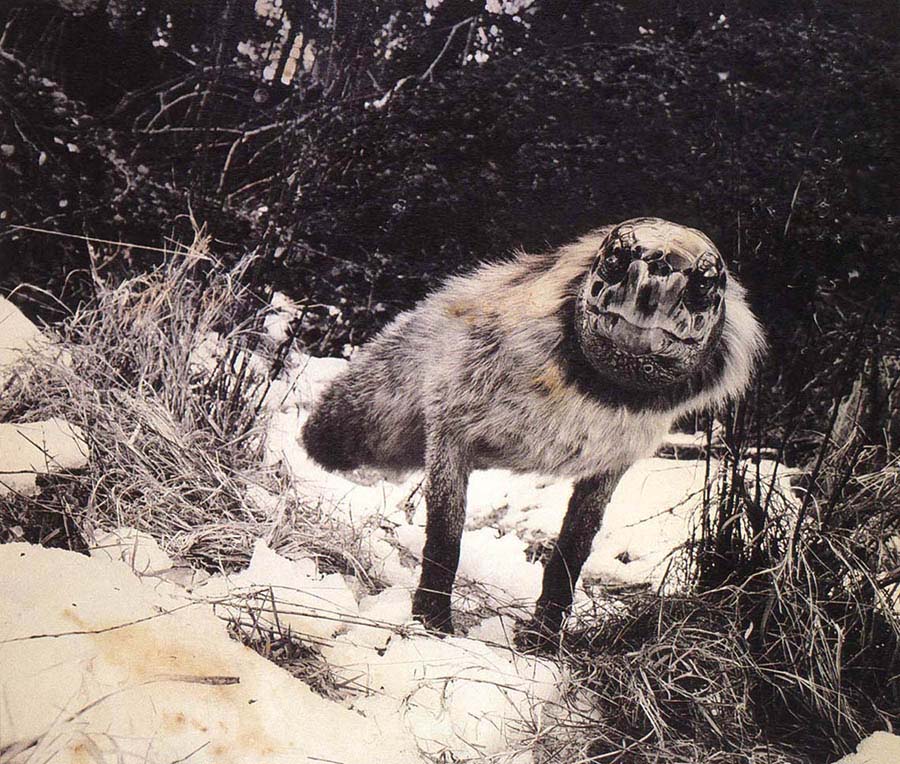
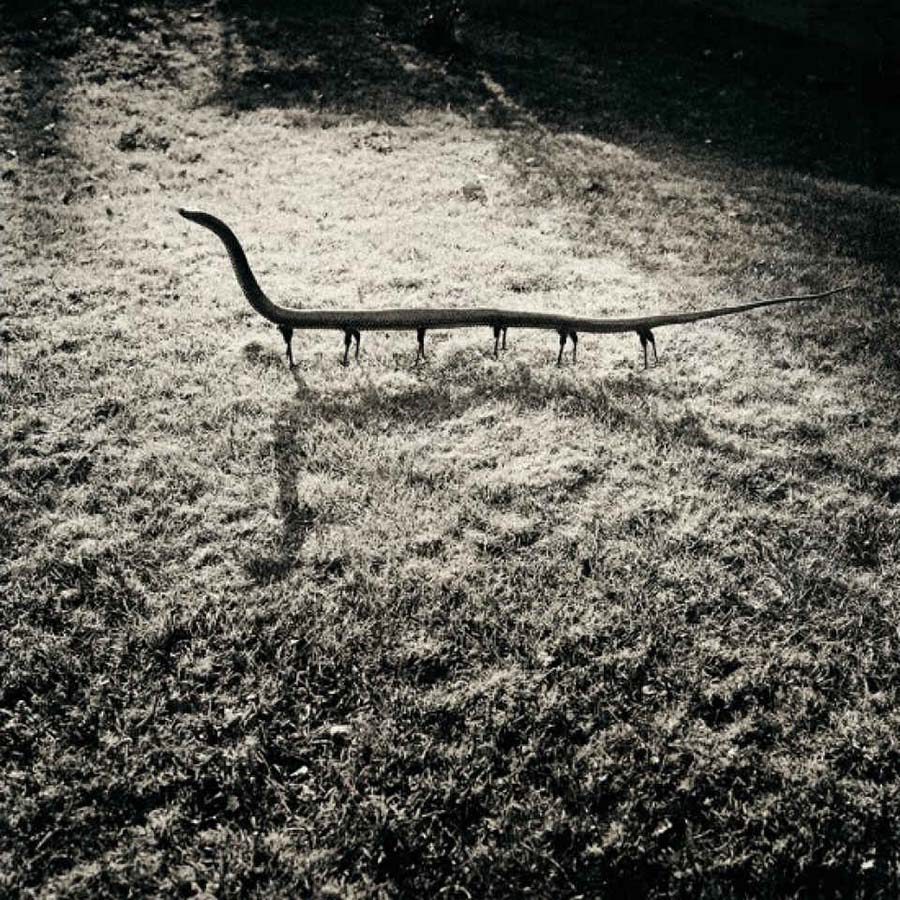
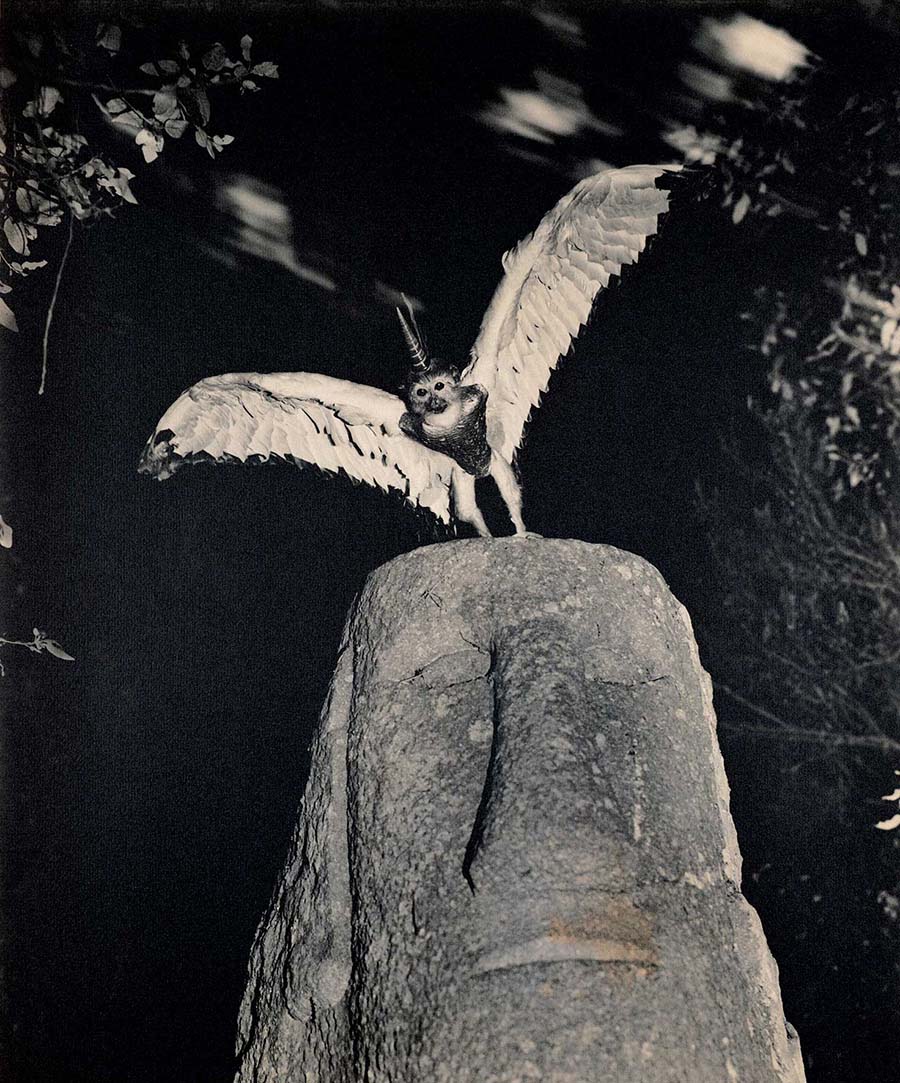
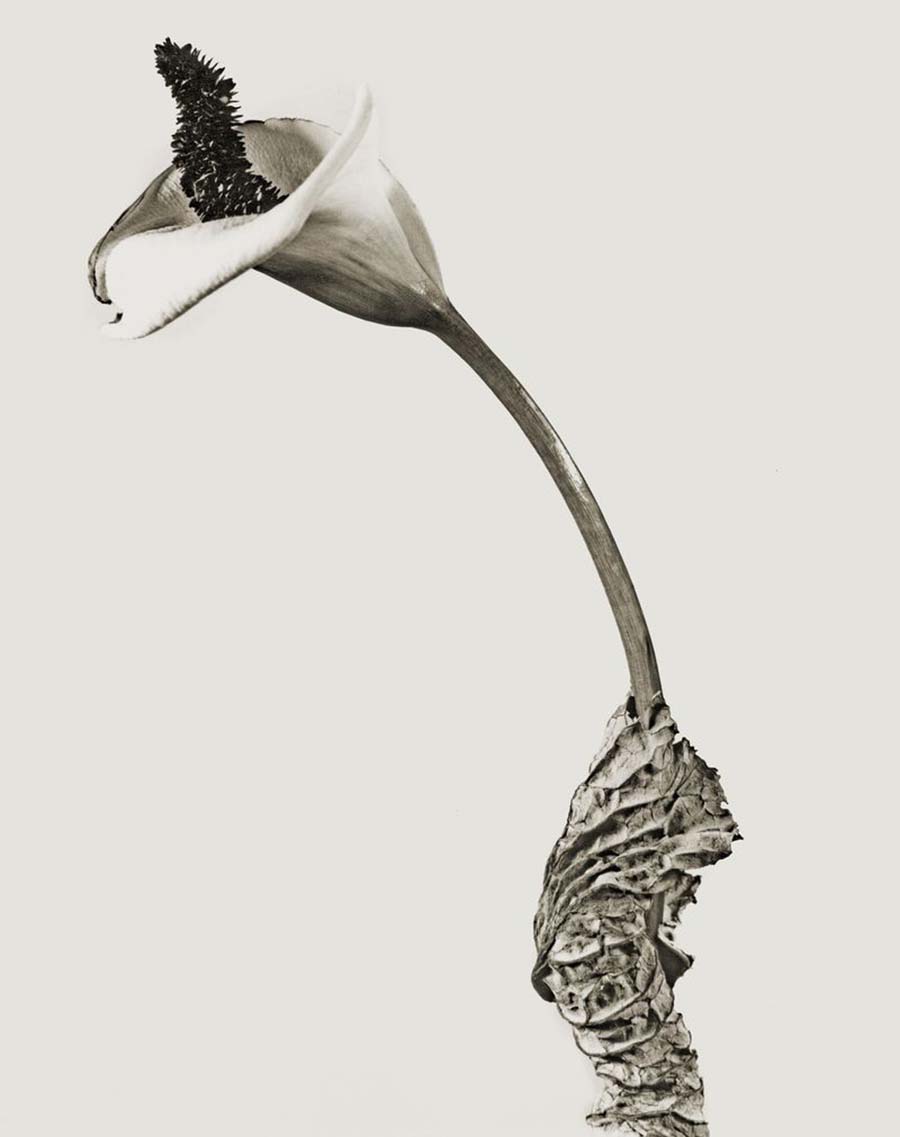
His extensive photographic work is characterized by the use of computer tools in his treatment and his presentation interactively with the viewer. Like other contemporary artists, it represents a critical vision of reality, photographic, historical or fictional truths through photography and its context.
Between 1985 and 2001, Fontcuberta’s work was exhibited in more than thirty museums and art halls in Europe, North America and Japan, such as the Folkwang Museum in Essen in 1987, the Museum of Modern Art in New York. , in 1988, the Andalusian Center for Contemporary Art, in 1989, the IVAM in Valencia, 1992, the Parco Gallery in Tokyo, 1992, the Museum of Fine Arts in Bilbao, 1995, the Elysée Museum in Lausanne, 1999, the Museum National Art of Catalonia of Barcelona, 1999, or the Redpath Museum of Montreal, 1999.
His work has been acquired by public collections, especially from the United States, Germany, France, Spain and Argentina as the Center Pompidou in Paris; the Metropolitan Museum of Art and the Museum of Modern Art in New York; the Art Institute of Chicago; the Museum für Kunst und Gewerbe, Hamburg; the I.V.A.M. of Valencia and the Museum of Fine Arts of Buenos Aires.
On March 7, 2013, he won the prestigious Hasselblad International Photography Award.
Artistic concept
The work of Joan Fontcuberta is part of a critical line of the conception of photography as evidence of reality. Many of his works are about “questioning” the truth that is given to photographic images. It is positioned in a line of questioning and doubt towards the veracity of the photographic image. He said:
“(…) Every photograph is a fiction that is presented as true. Against what they have inculcated us, against what we usually think, photography always lies, it lies by instinct, it lies because its nature does not allow it to do anything else. But the important thing is not that inevitable lie, the important thing is how the photographer uses it, what intentions it serves. The important thing, in short, is the control exercised by the photographer to impose an ethical direction on his lie. The good photographer is the one who lies the truth well (…) “(Fontcuberta, 1997).
Not only his photographic works, but also his theoretical works, have an appellative intention towards the observers of the images, appeals to a critical conscience, to critical mistrust, against the absolute truth position of a certain line of conception of photography. Fontcuberta calls himself a skeptic, so his works are based on the questioning of the pre-established concept of photography, which is based on the idea of a faithful reflection of reality. Fontcuberta analyzes artists and authors who use or use techniques similar to those he ascribes and take them as references when rethinking the idea of the iconicity of photography. Thus, some artists who appear as references throughout his work are Nancy Burson, Daniel Canogar, and a particular case is the work he quotes in “The tribe that never existed”, on the Tasaday, which took great relevance in the scientific world, and through which a “fictitious reality” was created, through the report created by John Launois. However, it is Joan Fontcuberta himself, who represents a reference for many contemporary artists and theorists.
Links
Some of his Photos


You might also like