(June, 13, 1894 – september, 12 1986)
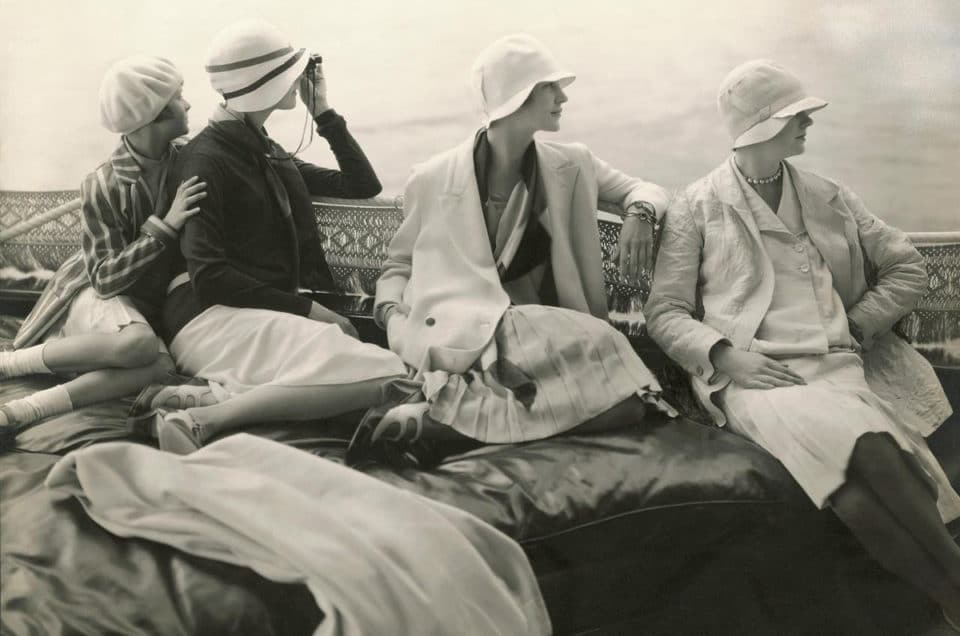
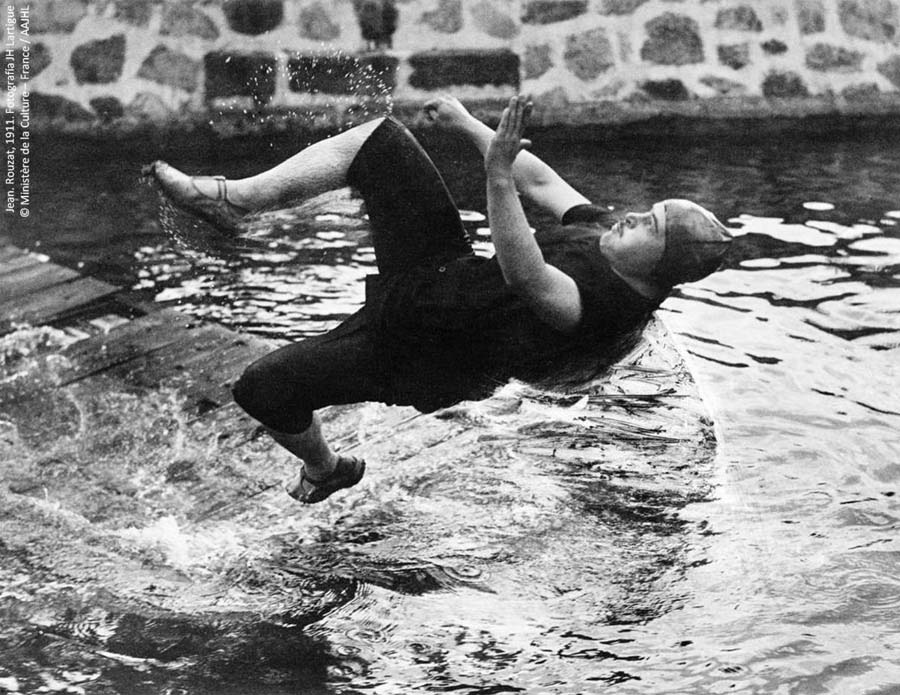
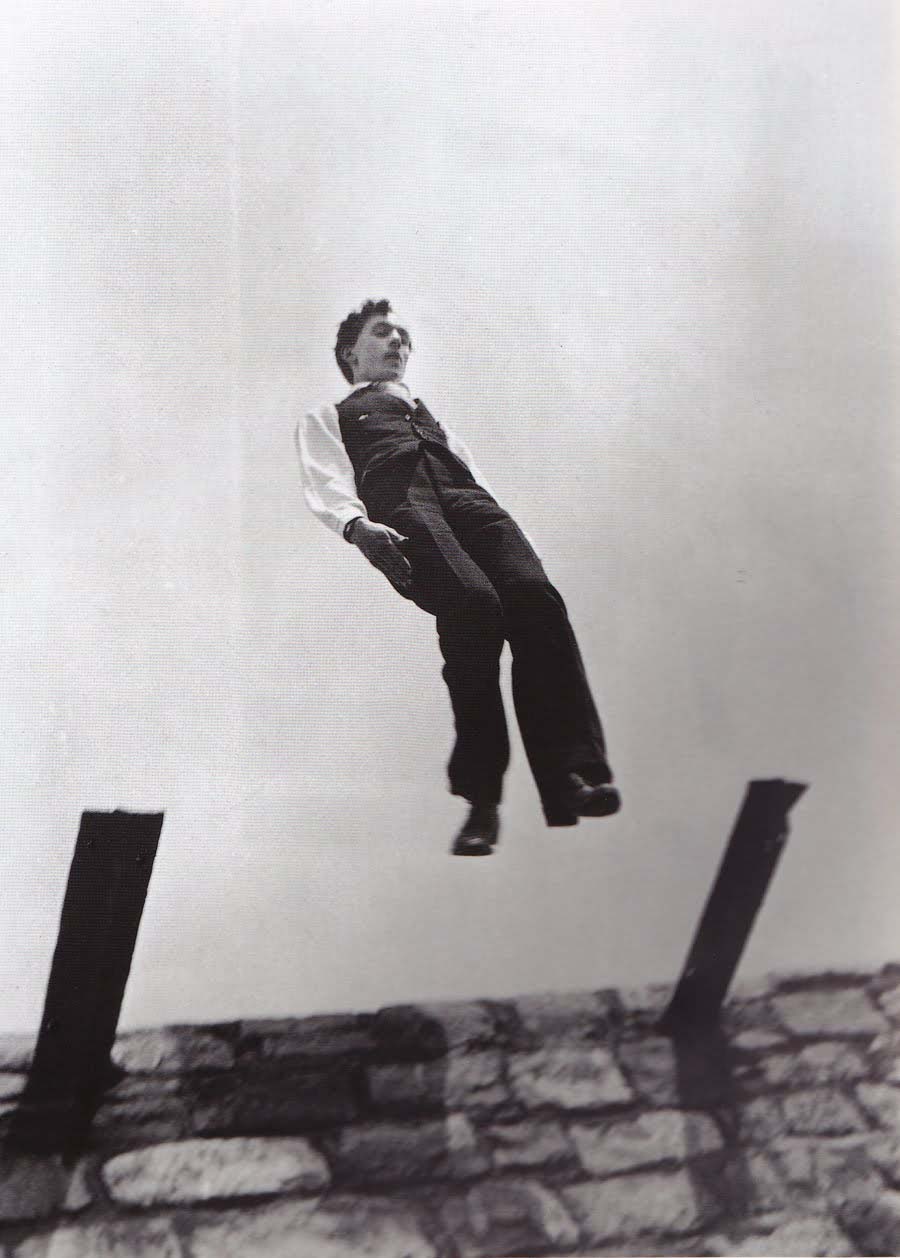
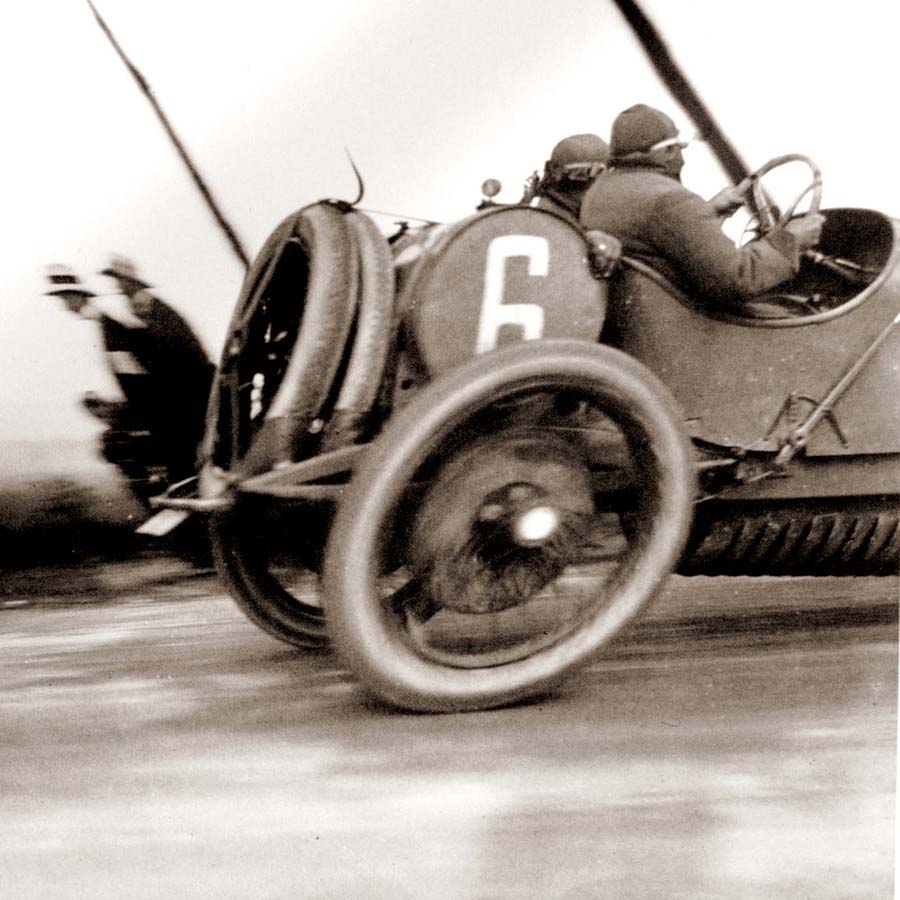
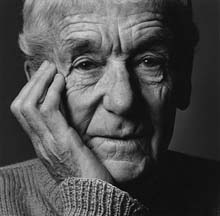 Jacques Henri Lartigue He was a French photographer and painter. He was born in Courbevoie to a wealthy family, who moved to Paris in 1899. His father, who was a banker, had a fondness for photography and when Lartigue was seven he gave him a 13×18 cm plate camera. With her she stood out for her spontaneous photos of the car, airplane races and photographs of the middle-class and affluent women of Paris walking through the Bois de Boulogne. He created novel images by employing unusual frames, with various shutter speeds, and almost always working in black and white and only sometimes using color.
In 1915 he was a disciple of Jean-Paul Laurens and Marcel Baschet at the Académie Julian, so he began to dedicate himself to painting and largely abandoned photography. In 1922 he exhibited his paintings in the corridors at the entrance to the Georges Petit gallery in Paris. He subsequently exhibited at the Salon des Sports, the Autumn Salon, the Salon d’Hiver, the Société Nationale des Beaux-Arts Salon, the Bernheim Jeune Gallery and the Grand Palais. In particular, the paintings of this period have flowers and cars as the main theme, but also portraits of famous people such as Kees Van Dongen, Sacha Guitry, Marlene Dietrich, Greta Garbo, Georges Carpentier, Joan Crawford, Maurice Chevalier, Abel Gance, Yvonne Printemps and in 1930 Renée Perle, who became one of her favorite models and her companion.
In 1932 he was assistant director and photographer for Alexis Granowsky’s film Les Aventures du Roi Pausole which was a film adaptation of a novel by Pierre Louÿs. In 1934 he married his second wife, Marcella “Coco” Paolucci, but the marriage lasted only a couple of years. In 1942 he met Florette Ormea who was twenty years old and who in 1945 became his third wife.
He was not recognized as a photographer until 1960, 2 but from that moment he achieved great prestige, exhibiting in 1963 at MOMA after Life magazine published a series of his photographs in 1962. From that moment on, numerous publications were published. Books and his work were exhibited in numerous galleries and museums. His plastic work includes paintings, press photographs, fashion, of general themes. He was also the one who took the official photograph in 1974 of Valéry Giscard d’Estaing, President of the French Republic between 1974 and 1981.
In 1979 he transferred his photographs to the State including negatives, original records, newspapers and cameras, while his paintings consisting of more than three hundred pictures were donated to his friend the Mayor of L’Isle-Adam and his wife. This donation led to the creation in the city of Val-d’Oise of the Jacques-Henri Lartigue Exhibition Center.
In 2000 the Lartigue Foundation was created, which joined the Association of Friends of Jacques Henri Lartigue created in 1979, which provides extensive documentation on his work.
In 2010, his first retrospective exhibition entitled A Floating World was held in Spain. Photographs by Jacques Henri Lartigue (1894-1986) with some 230 pieces representative of the different stages and themes that he tackled throughout his life.3 The exhibition began in Barcelona and was later exhibited in Madrid.
Among the recognitions he has received is giving his name to a street in the V Paris district of Paris in 1995 and also to a station on line 2 of the tram that is closest to the Ile-de-France .
Filmography on Lartigue
- 1966 – El Mago – dirigida por Claude Fayard.
- 1970 – La familia Lartigue – dirigida por Robert Hughes.
- 1972 – Jacques Henri Lartigue – dirigida por Claude Gallot.
- 1974 – Jacques Henri Lartigue – dirigida por Claude Ventura.
- 1980 – Jacques Henri Lartigue, fotógrafo – dirigida por Fernand Moscovitz.
- 1980 – Jacques Henri Lartigue pintor y fotógrafo.
- 1982 – Jacques Henri Lartigue – El Gran Maestro de fotógrafos – dirigida por Peter Adán.
- 1984 – Jacques Henri Lartigue – La Belle Epoque – producido por ABC / Metropolitan Museum of Art, Nueva York
- 1985 – Diario de un siglo – dirigida por Carl-Gustav Nykvist.
- 1999 – Jacques Henri Lartigue – El siglo en positivo – dirigida por Philippe Kohly.
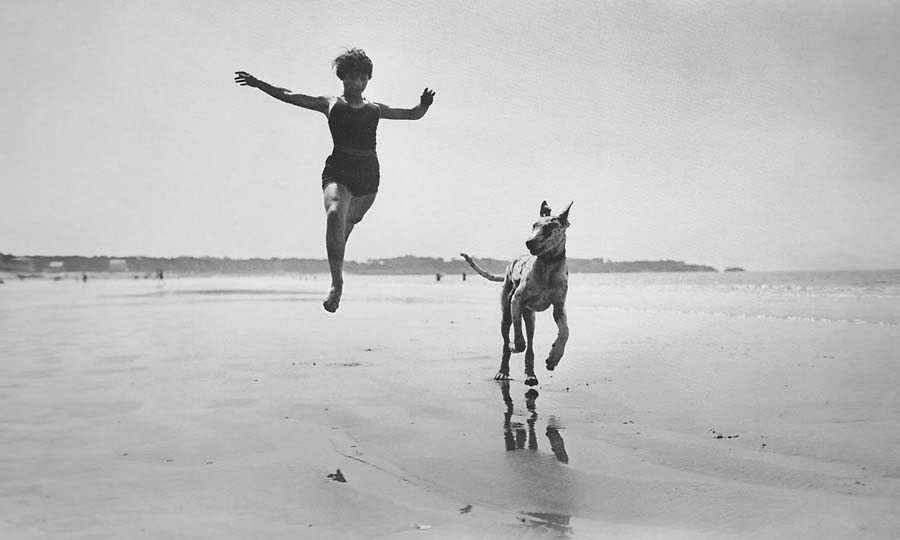
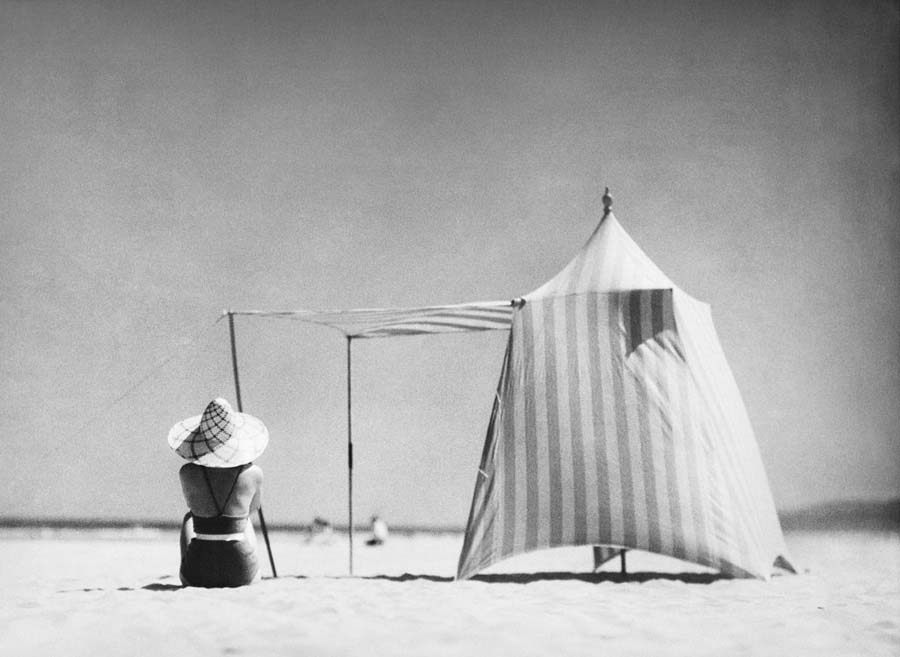
Some of his Photos

You might also like