(august, 31, 1931, NYC, USA – March, 29, 2009)
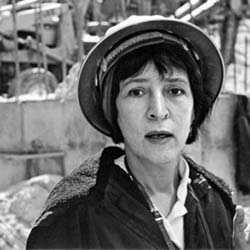 Helen Levitt She was an American photographer especially known for street photography in New York City, and has been called “The most famous and least known photographer of her time.”
She was born in Bensonhurst, Brooklyn, New York , the daughter of May (Kane), who was an accountant and Sam Levitt, who ran a knitwear wholesale business. Her father and maternal grandparents were Russian Jewish immigrants. He dropped out of high school and in 1931 learned to develop photos in the darkroom when he started working for J. Florian Mitchell, a commercial portrait photographer in the Bronx. Working he discovered the work of Henri Cartier-Bresson (which was ultimately a great influence on his career) and for the first time he interpreted photography as art. First he practiced with a Voigtländer camera from his mother.
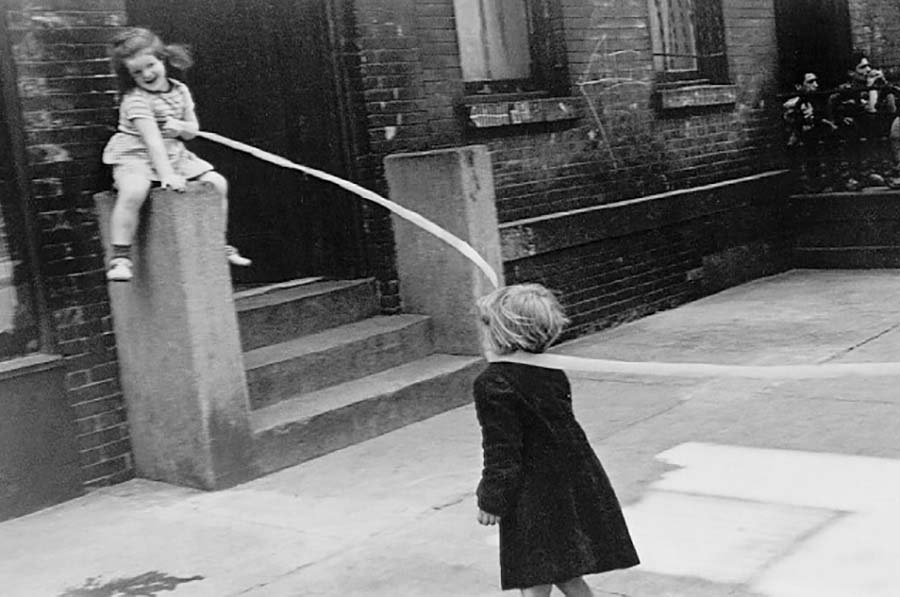
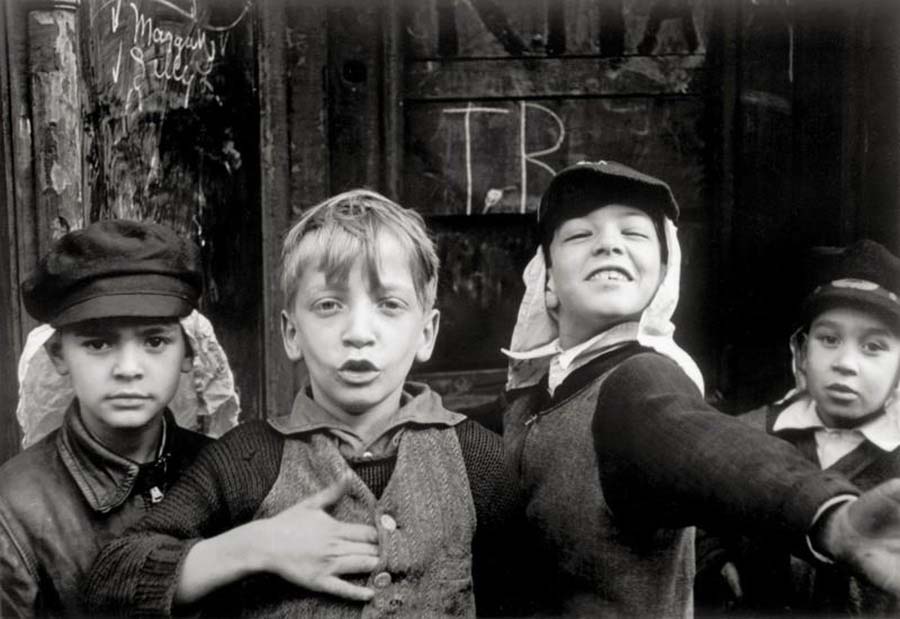
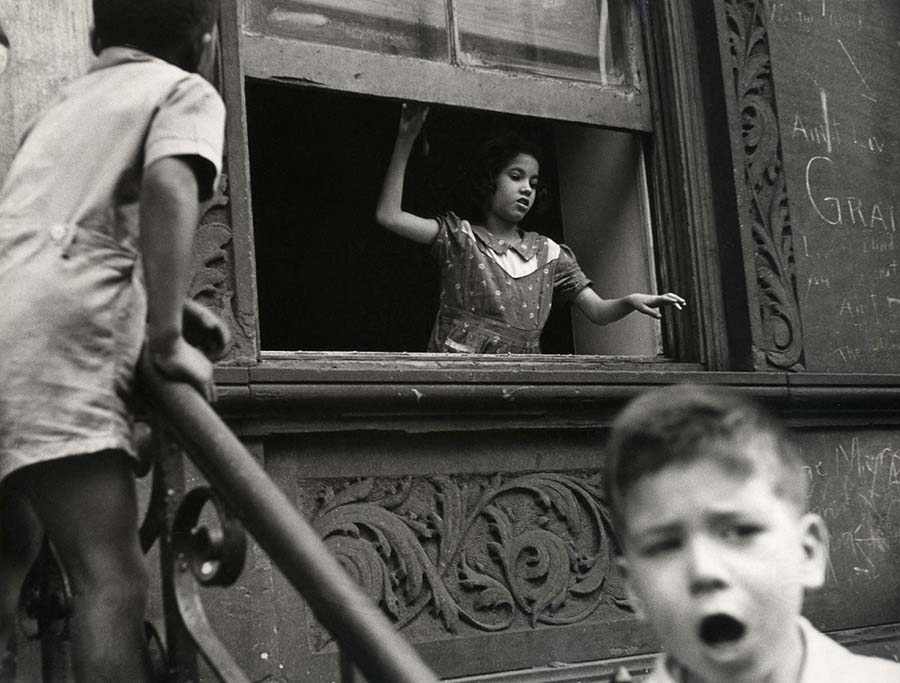
While teaching art classes to children, Levitt became interested in the chalk drawings that were part of the street culture of New York children. He bought a camera Leica and dedicated himself to photographing them as well as the children who were on the street. This work was finally published in 1987.
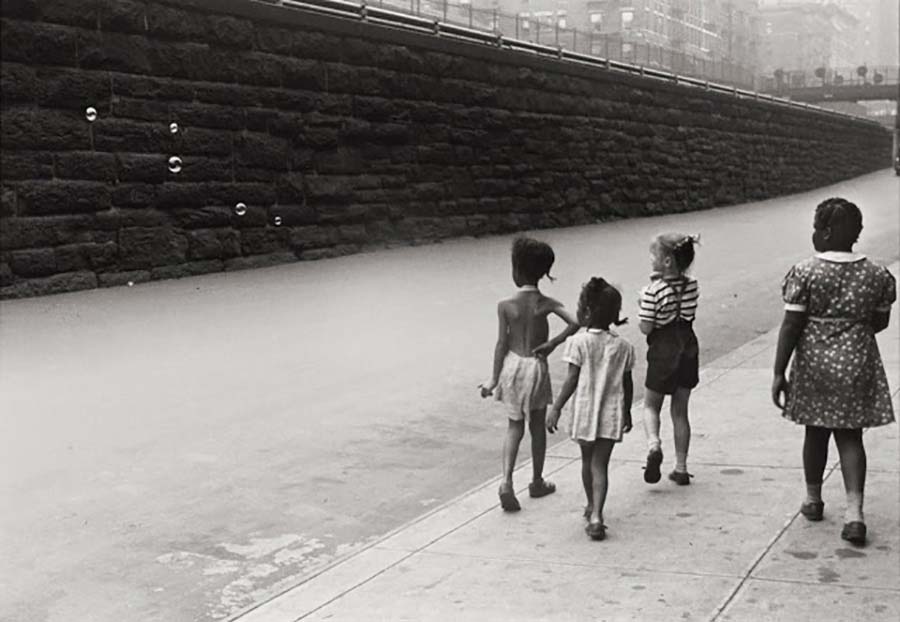
He continued taking street photographs, during the 1930s to 1940s, the lack of air conditioning meant that people were more on the street, which he documented. Their work was first published in the July 1939 issue of Fortune magazine.
Levitt received his first scholarship in 1946 from the Museum of Modern Art in New York. In 1959 and 1960, he received two scholarships from the Guggenheim Foundation for his pioneering work in color photography. In 1965 he published his first major collection, A Way of Seeing. Much of his color work from 1959 to 1960 was stolen in a 1970 robbery of his East 12th Street apartment. The remaining photos, and others taken in the following years, can be seen in the slide show of the 2005 book: Helen Levitt’s Color Photographs. She was comfortable working in black and white, as a color.
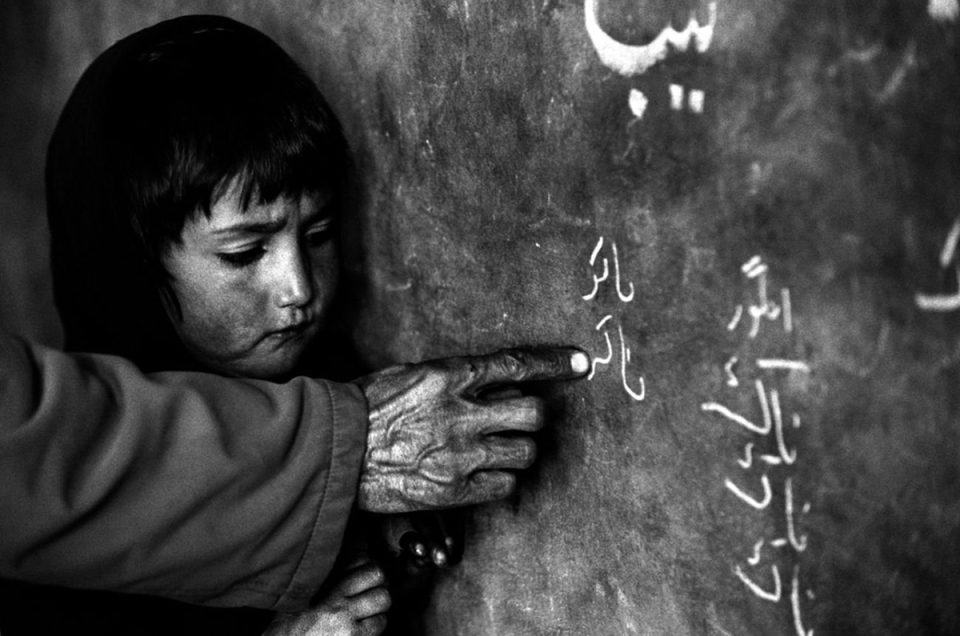
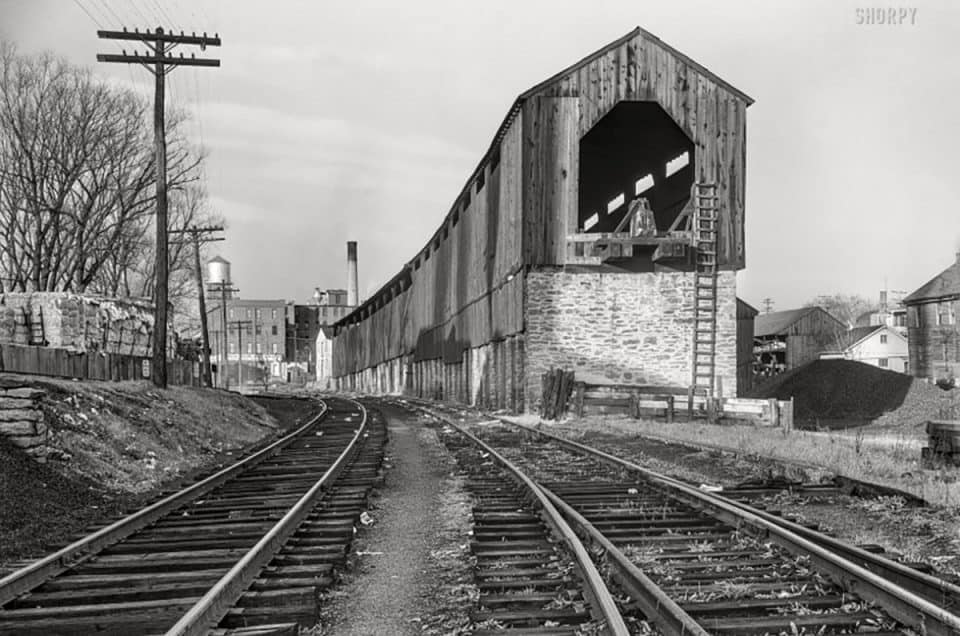
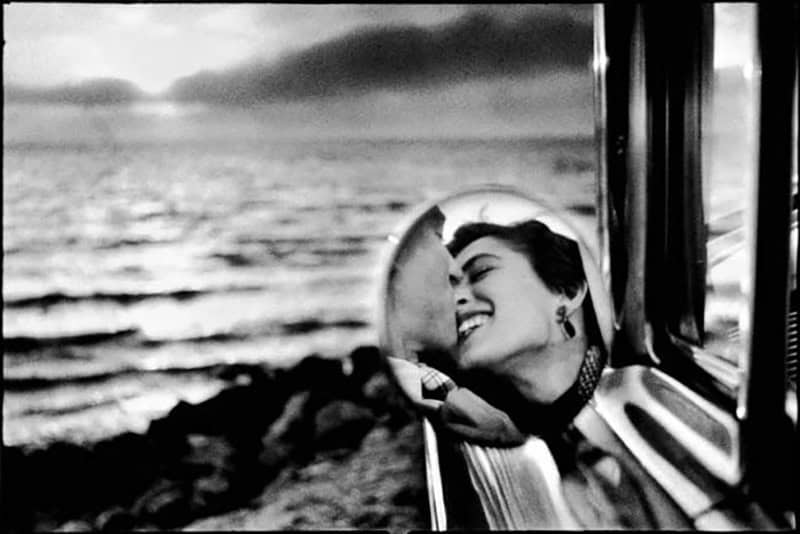
Some of her Photos

You might also like