(August, 22 1908 – august, 3, 2004)
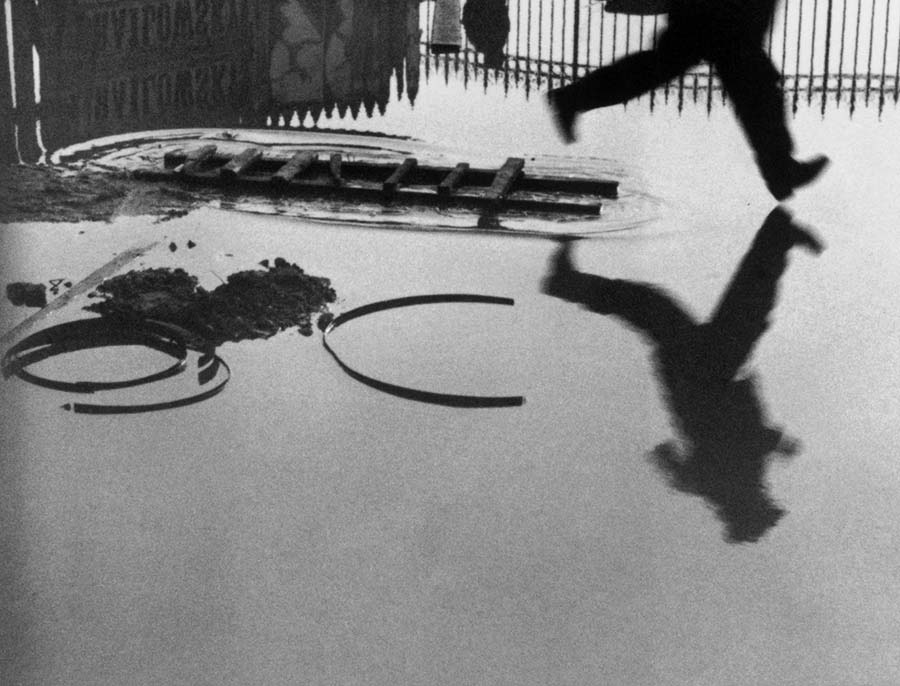
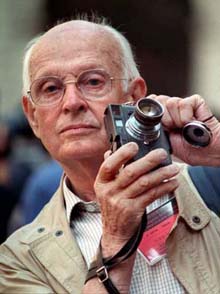 Henri Cartier-Bresson was a famous French photographer considered by many to be the father of photojournalism. He always preached with the idea of catching the decisive moment, a translated version of his “images a la sauvette”, which come to mean more precisely “sneaky images”. It was, therefore, to put the head, the eye and the heart at the same moment in which the climax of an action takes place.
Throughout his career, he had the opportunity to portray characters such as Pablo Picasso, Henri Matisse, Marie Curie, Édith Piaf, Fidel Castro and Ernesto Guevara. He also covered important events, such as the death of Gandhi, the Spanish Civil War, where he filmed the documentary on the republican side “Victorie de la vie”, the SGM, in which he was in the Cinema and Photography Unit of the Gallic army or the Mao Zedong’s triumphal entry into Beijing. Cartier-Bresson was the first western journalist to visit the Soviet Union after the death of Iósif Stalin.
His work was exhibited at the Louvre museum in Paris in 1955 and he was co-founder of the Magnum agency. Together with his wife, the also photographer Martine Frank, he created in 2000 a foundation in charge of gathering his best works, located in the Parisian neighborhood of Montparnasse. He died on August 2, 2004 in Céreste, in the southwest of France.
In 2003, Heinz Bütler directed the Swiss film Henri Cartier-Bresson – Biographie eines Blicks, a biographical documentary interpreted by Cartier-Bresson himself in addition to Isabelle Huppert, among others.
For some, Cartier-Bresson is a mythical figure in 20th century photography. One of his best biographers (Pierre Assouline) would appeal to him as “the eye of the century”.
In 1983 he received the International HasselbladAward
Links
- Fundación Henri Cartier-Bresson
- Henri Cartier-Bresson – Biographie eines Blicks
- Fotografías de la Agencia Magnum
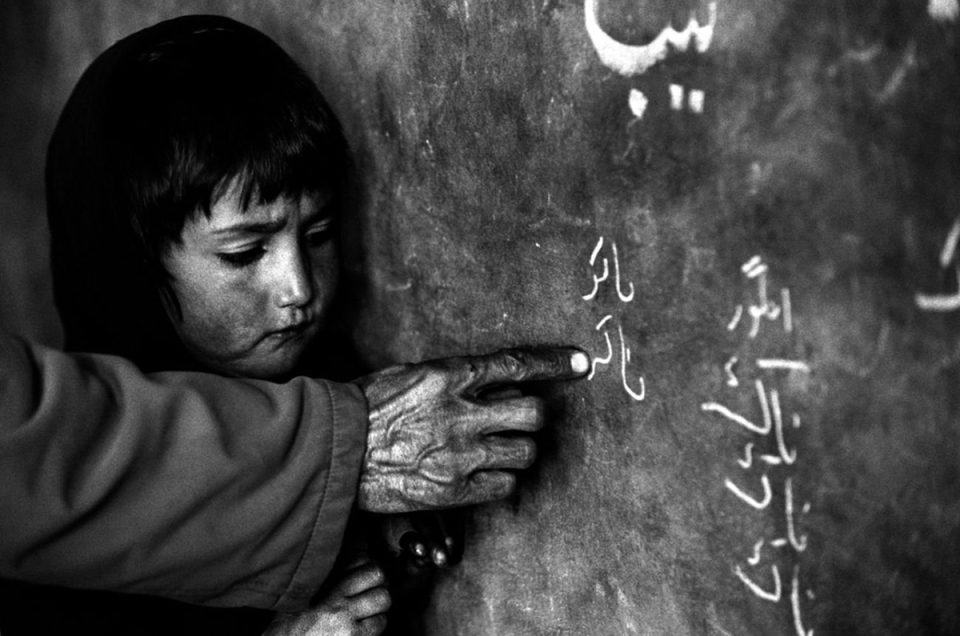
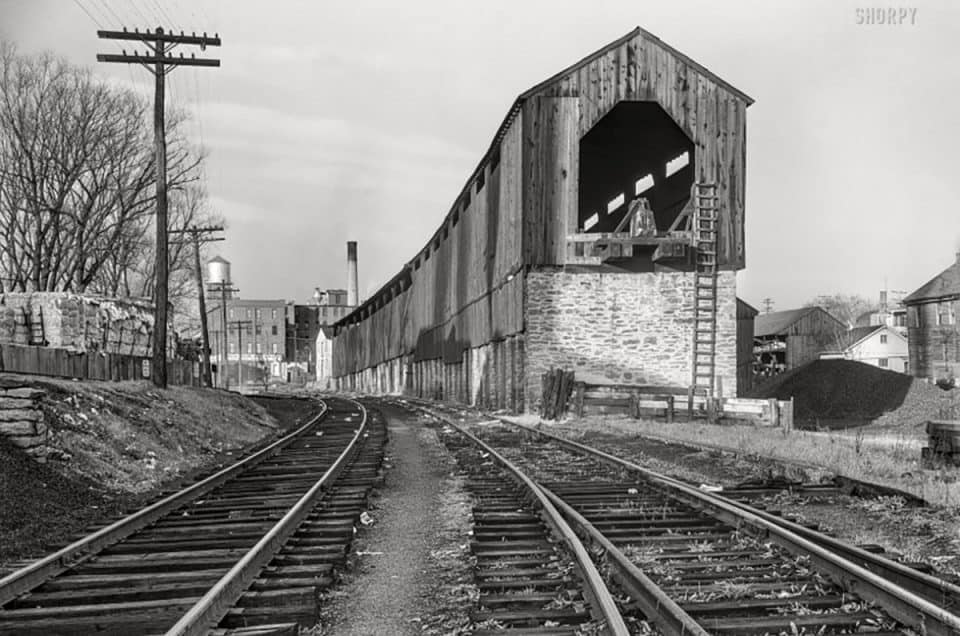
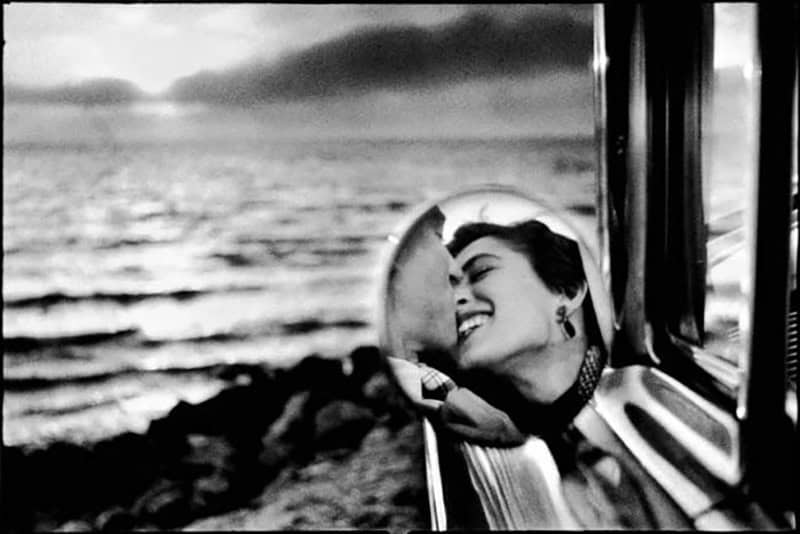
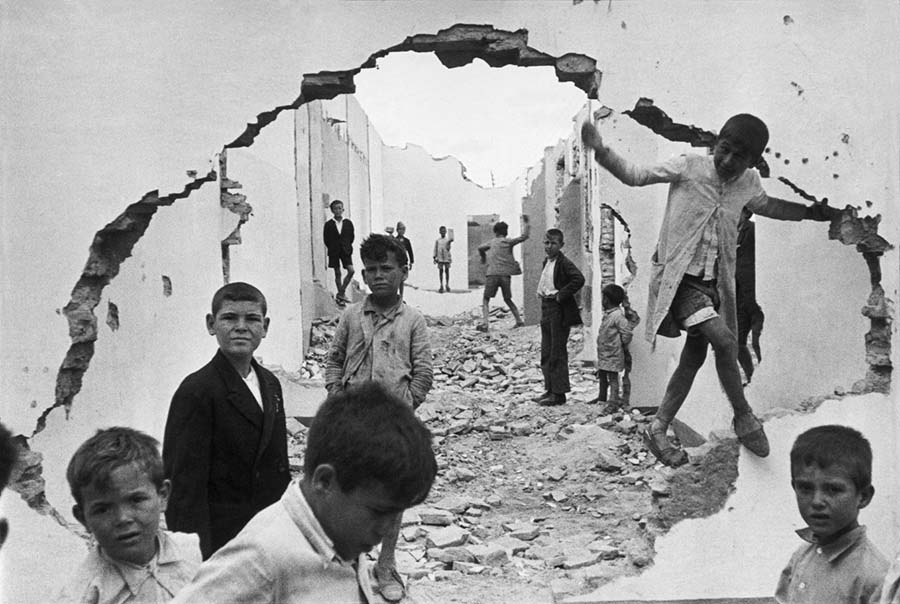
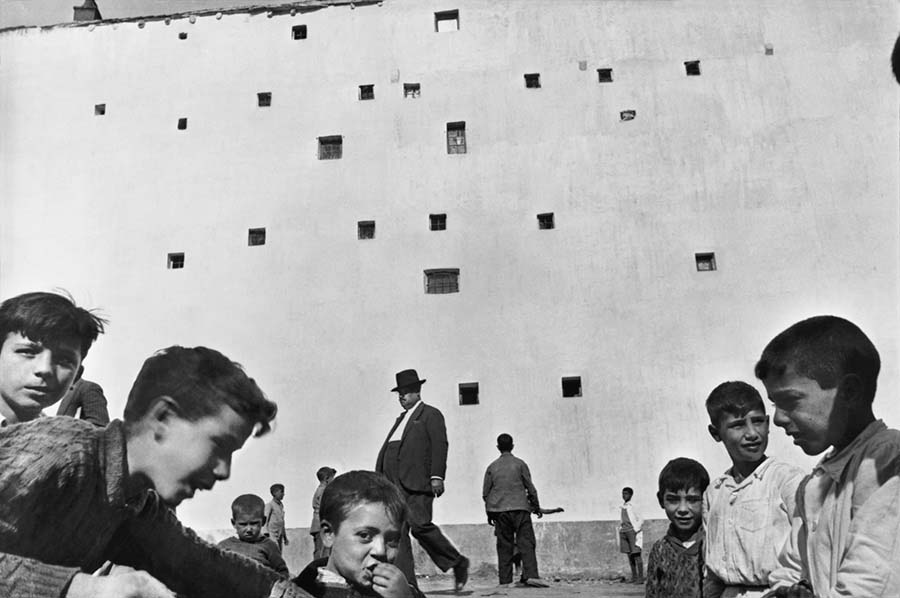
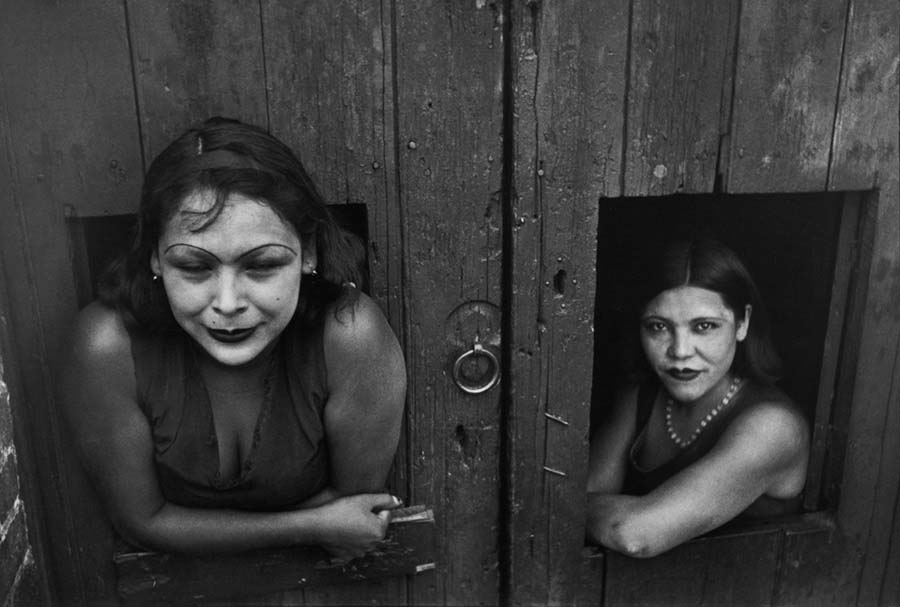
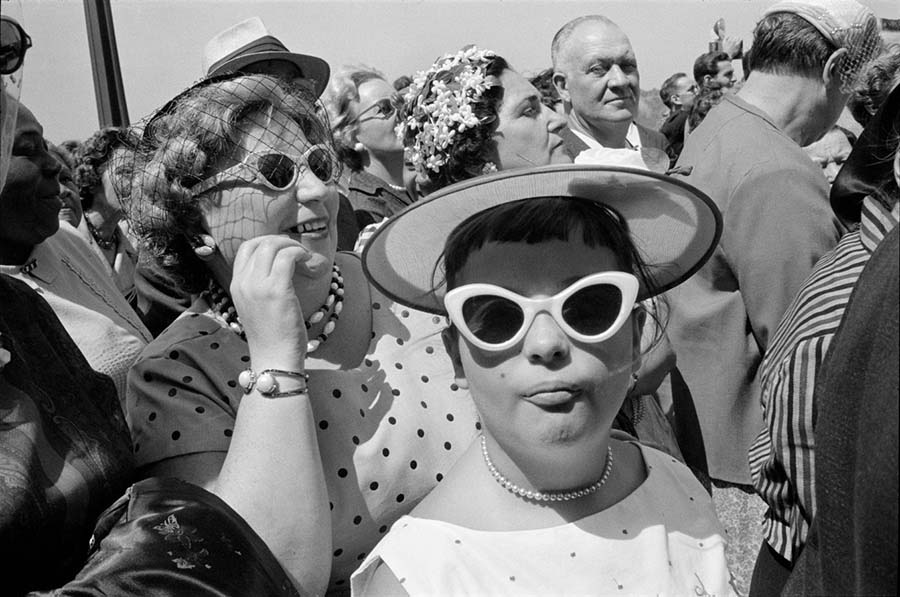
SOME PHOTOS

You might also like