(22 de octubre de 1912 – 15 de marzo de 1999)
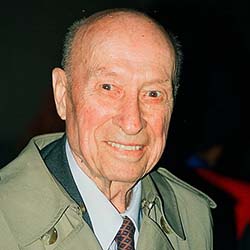 Harry Morey Callahan is an American photographer considered one of the great innovators of modern American photography.
I can’t say what it is that makes a photograph. I can not say it. It is mysterious. You open the shutter and let the world in.
He was born in Detroit, Michigan and began self-photography in 1938. During that decade she worked for the General Motors photo lab in Detroit. Around 1946, he received the support of László Moholy-Nagy to teach photography at the Chicago Institute of Design. Callahan retired in 1977 when teaching at the Rhode Island School of Design.
Her daughter Barbara was born in 1950. Even before her birth she already appeared in the pregnancy photographs of Eleanor, the photographer’s wife. Between 1948 and 1953 Eleanor (and sometimes Barbara) appeared in the landscape photos as a counterpoint to the great expanses of the parks, line of the sky or the sea.
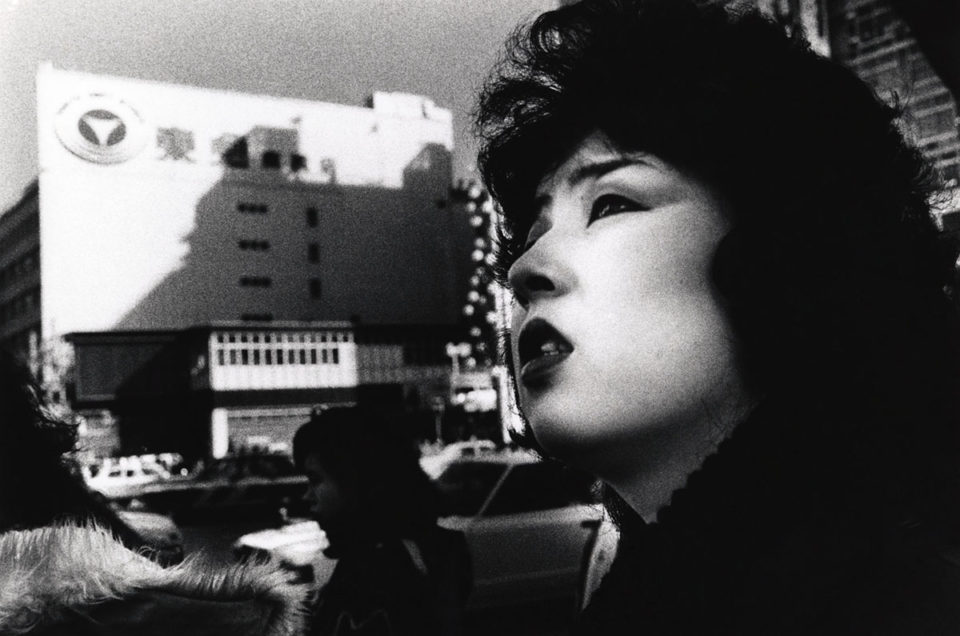
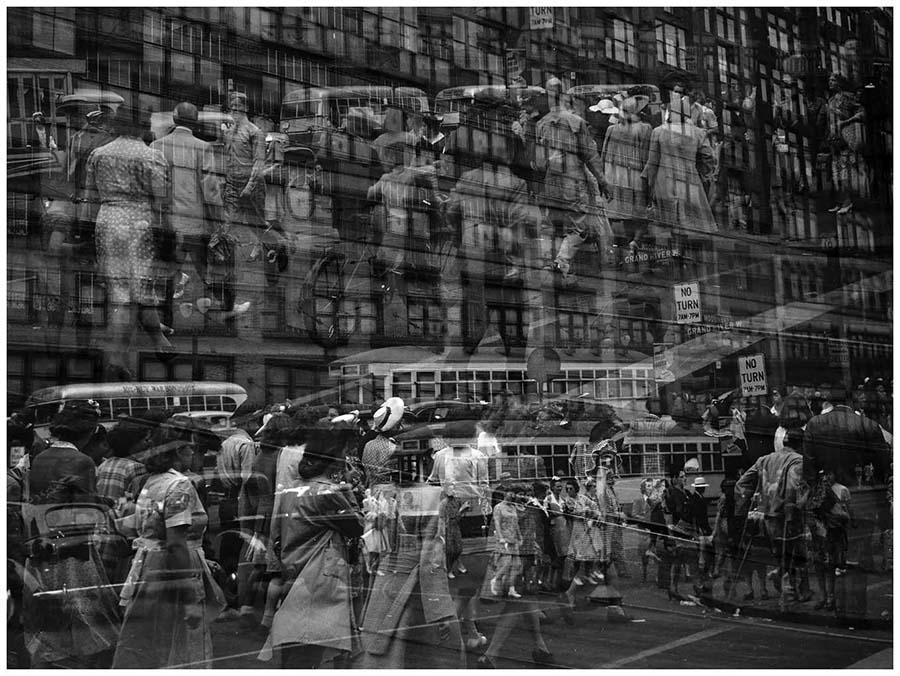
He took photographs of his wife Eleanor, and of their daughter Barbara as well as of the streets, scenes and buildings of the cities where he lived, showing a strong sense of line and shape, of light and darkness. He worked with multiple exposures and other techniques such as double and triple exposures, blurs, and small or large format film. Callahan’s work was a very personal response to his own life: He was well known for encouraging his students to turn their cameras on their lives, and he himself set an example with his life. Callahan photographed his wife, as the main subject, over a period of fifteen years. Eleanor was essential to her artistic creation from 1947 to 1960. She photographed her everywhere: At home, on city streets, in landscapes, alone or with her daughter, in color or black and white, in nudes.
He died in Atlanta in 1999 leaving around 100,000 negatives and more than 10,000 print tests. The University of Arizona Creative Photography Center, which actively collects, preserves, and makes available to citizens the work of 20th-century American photographers, maintains its photographic archive.
WORKS
Callahan left hardly any written work (diaries, letters, note books or class notes). Her method of work consisted of going out almost every morning, walking through the city where she lived and taking many photographs. Then she spent every afternoon taking out hard evidence of the best negatives she had made during the day. Of all this photographic activity, Callahan himself estimated that he had not produced more than half a dozen final images a year.
PHOTO SERIES
- Cape Cod (1972-1974)
- Chicago (1948-1958)
- Eleanor (1947-1960)
- Lincoln Park
- Providence
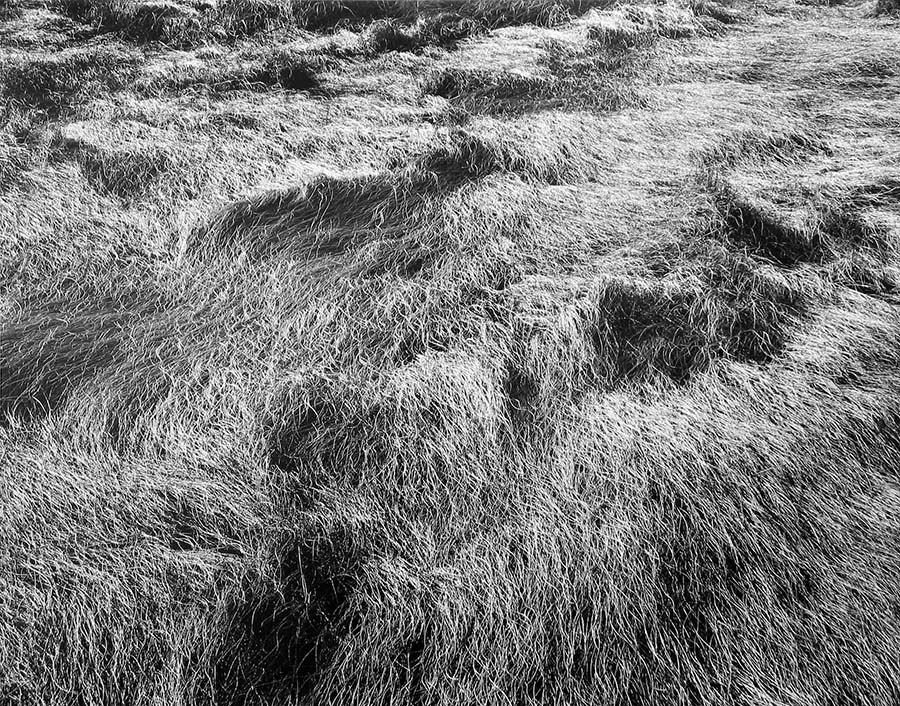
- Grass in the snow (1943-1965)
Books
- Harry Callahan: The photographer at work, 2005. Editorial: Yale University Press
- Callahan in New England, 1994. Editorial: Brown University
- Harry Callahan, Color, 1941-1980, 1980. Editorial: Matrix Publications
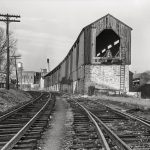
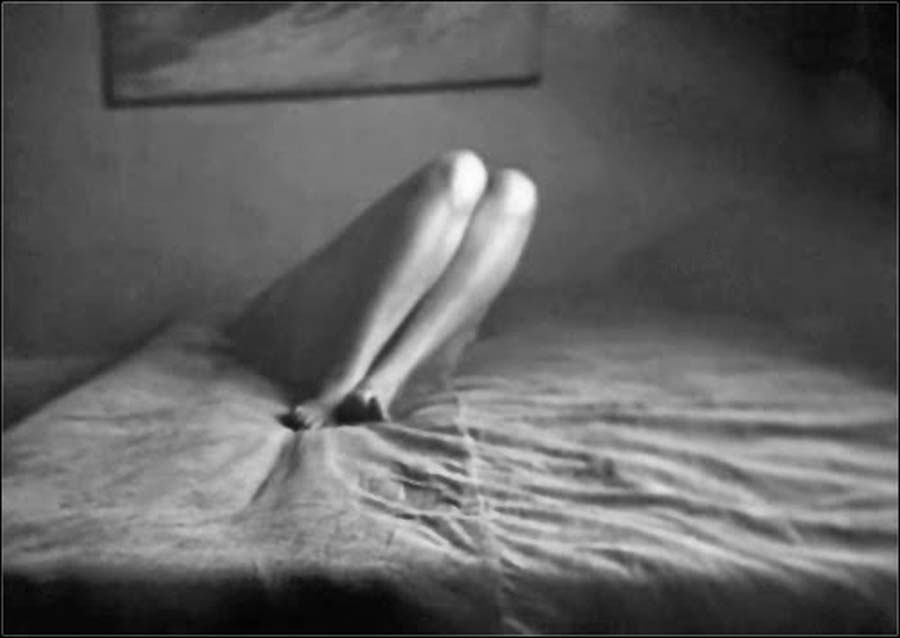
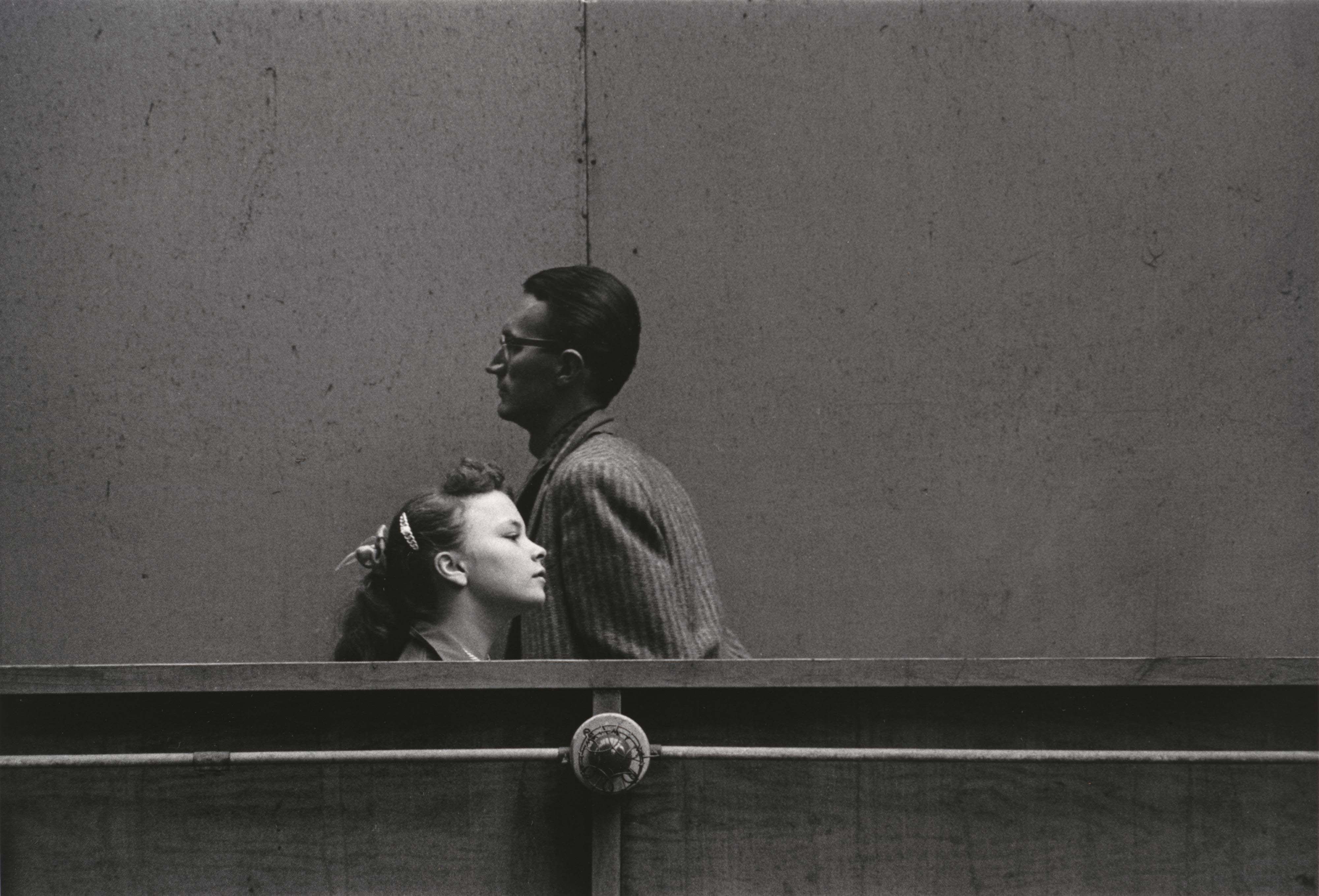
Some of his photos


You might also like