( June 14, 1921 – February 6, 2012)
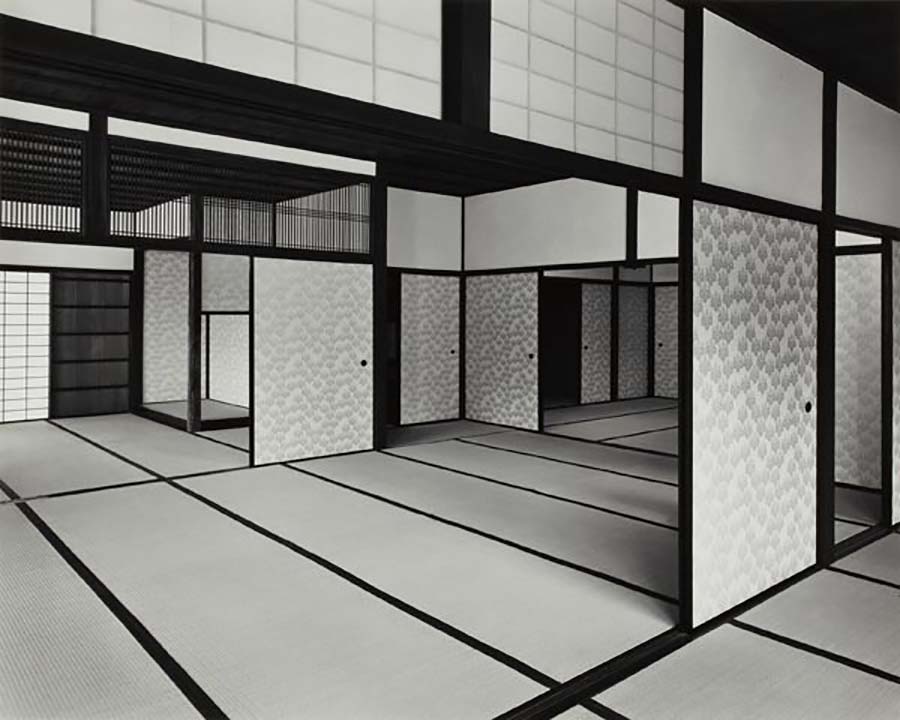
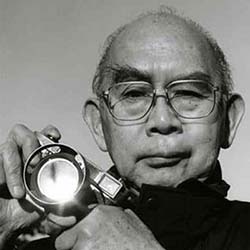 Yasuhiro Ishimoto (石元泰博) He was a Japanese photographer. The son of a Japanese family dedicated to agriculture, when he was three years old he moved with his parents to Japan, where he studied agriculture at the Kochi Prefectural Agricultural School, completing his studies in 1938. A year later, he returned to the United States, where he furthered his studies in agriculture at the University of Berkeley between 1940 and 1942. When war was declared on Japan during World War II, he was interned at the Armach camp in Colorado due to his ethnic origin, where he remained until the end of the war. In 1946, he began taking photographs during his stay in Chicago, where he had begun studying architecture at Northwestern University. However, in 1948, he abandoned his studies to devote himself to studying photography with Harry Callahan and Aaron Siskind at the Illinois Institute of Technology.In 1950, he received the award for best new photographer from Life magazine, and in 1951 and 1952, he received the Moholy-Nagy Award. The following year, Edward Steichen selected him to participate in the exhibition “The Family of Man” as a representative of Japanese photography; shortly thereafter, the Museum of Modern Art in New York asked him to photograph the Katsura Imperial Villa, a project he completed in 1958. The result was published in a book in 1960 in collaboration with architects Walter Gropius and Kenzo Tange.
In 1961, he moved to Fujisawa, and a year later he began teaching at the Kuwasawa Design Institute and the Tokyo College of Photography. Between 1966 and 1971, he was a professor at Zokei University in Tokyo. In 1969, he decided to become a Japanese citizen.
Entre 1975 y 1978 se dedicó a viajar por diferentes países entre los que se encuentran Irak, Irán, Turquía, China, España, la India, Australia y algunos de América del Sur y del norte de África.
He has received numerous awards and honors, including: the Japanese Critics Association Award for the best books published by Katsura and Someday, Somewhere; the 1962 Camera Art Award for The Face of Chicago; the 1970 Mainichi Art Award for his book Chicago, Chicago; the 1978 Japanese Ministry of Education Award for his book The Mandalas of the Two Worlds; the Japan Photographic Society Award in 1991; and in 1996, he was named a “Man of Cultural Distinction” by the Japanese government.
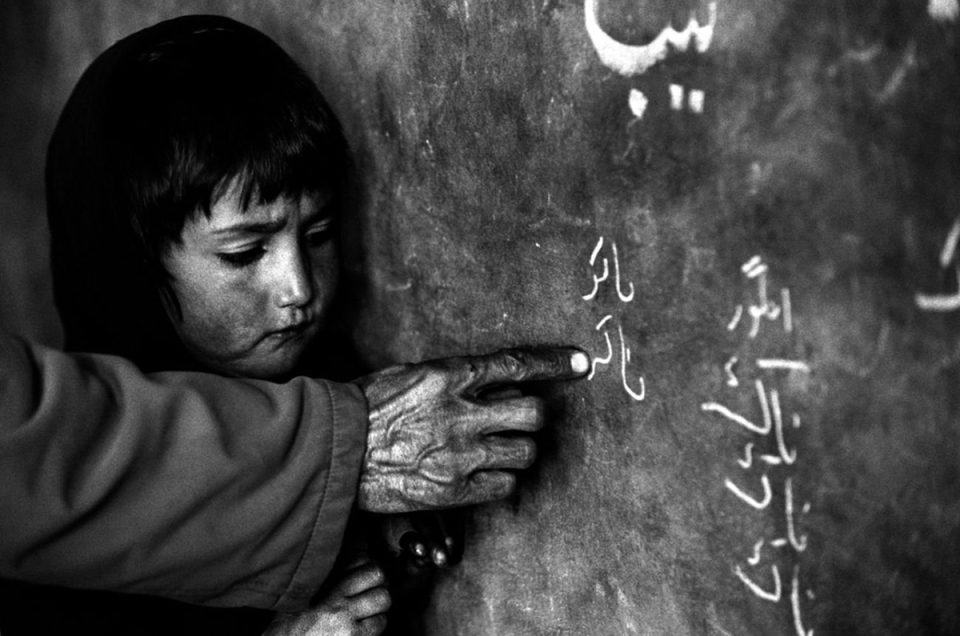
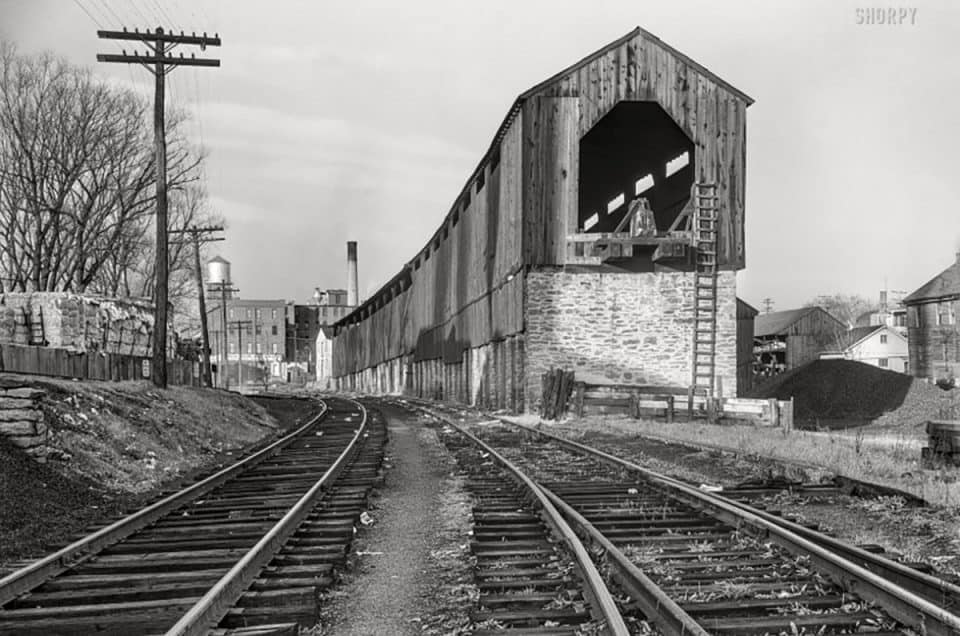
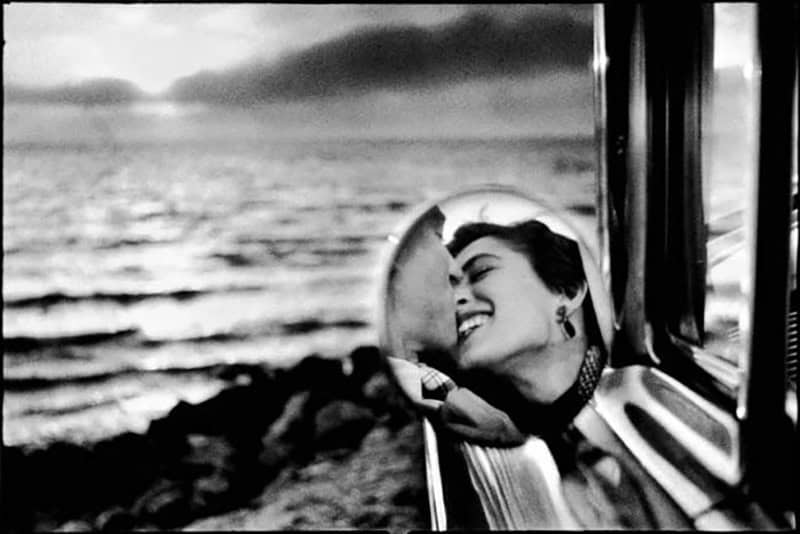
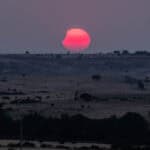
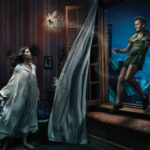
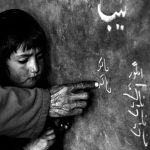
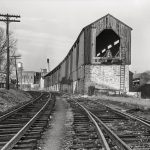
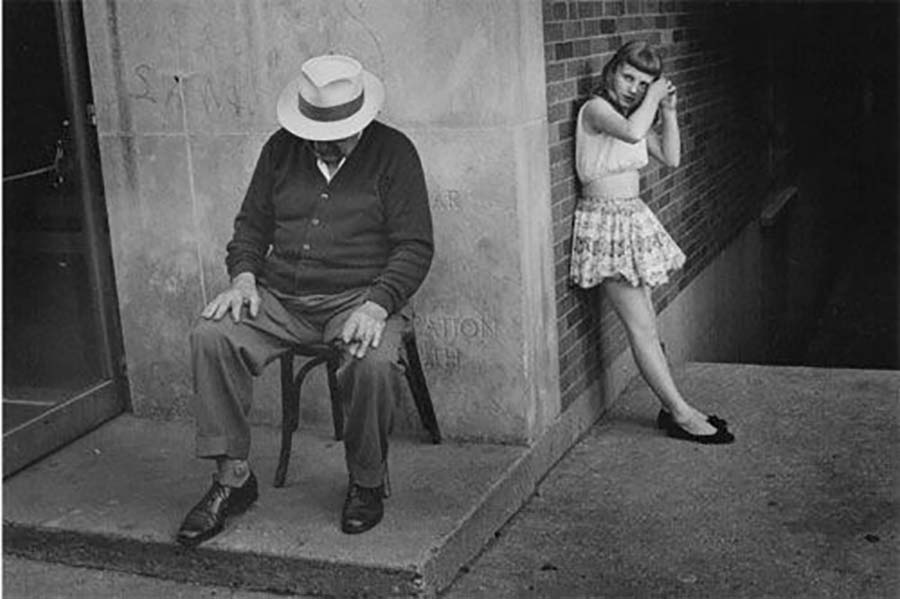
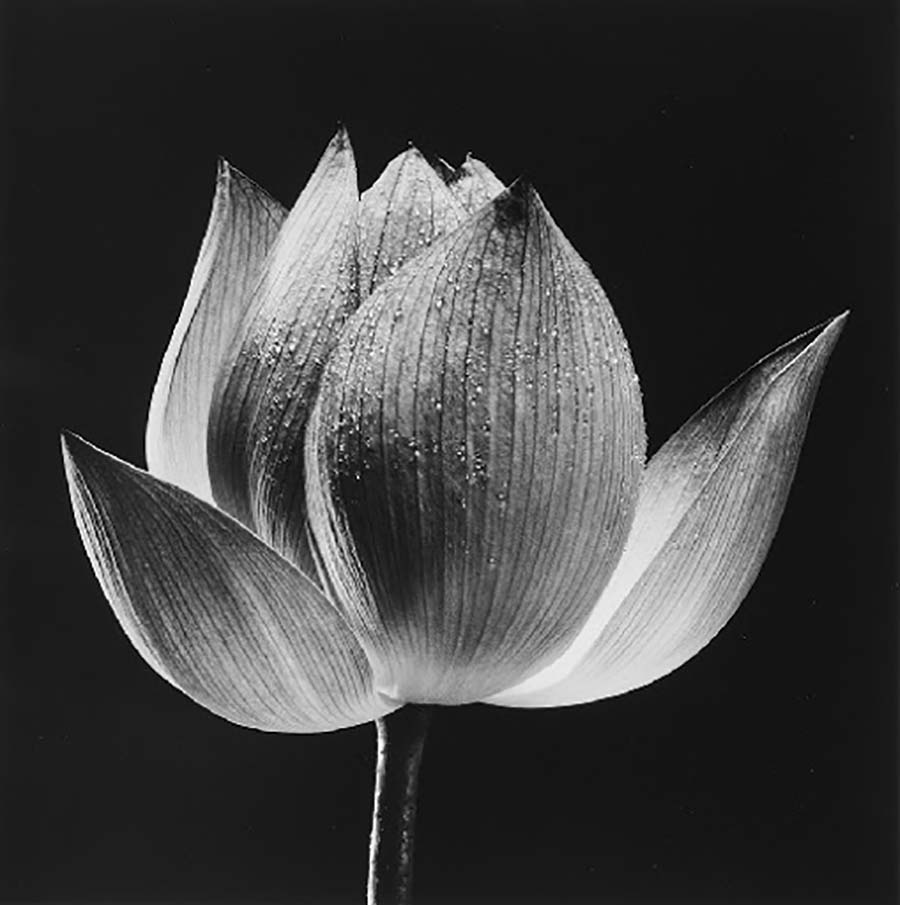
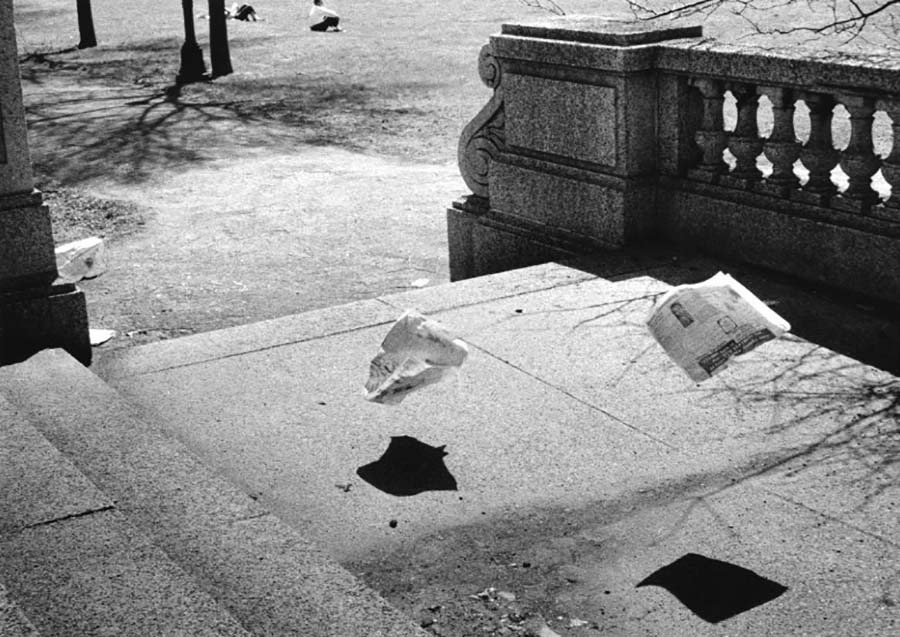
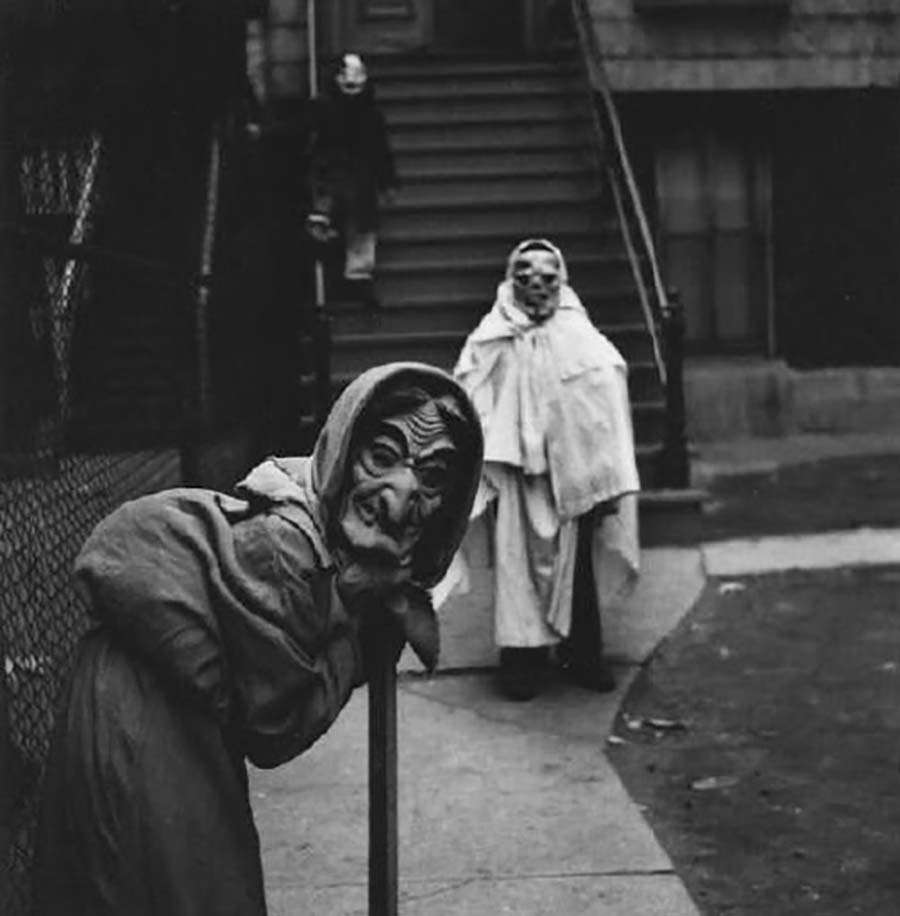
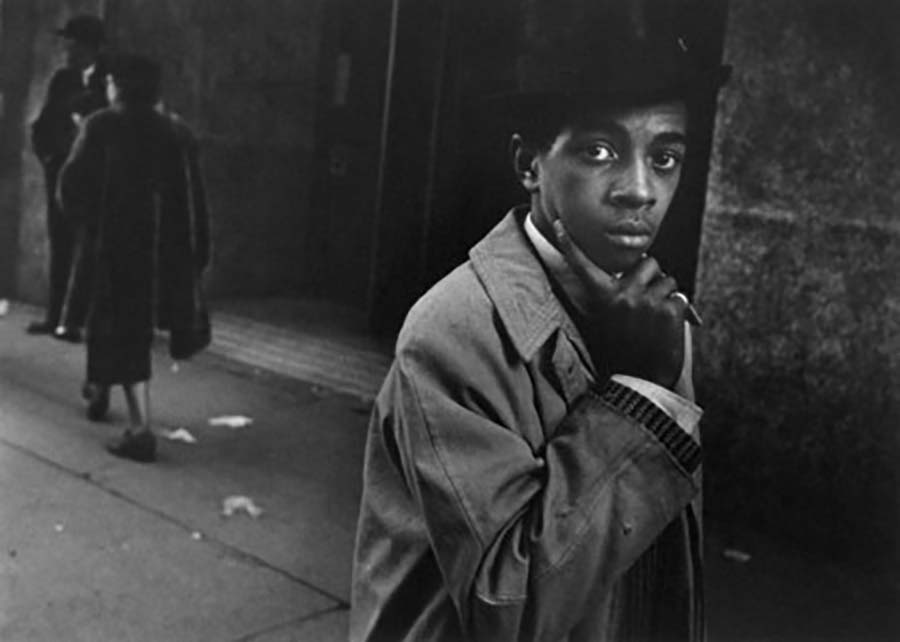
SOME PHOTOS

You might also like