(July, 27, 1939, Menphis, USA )
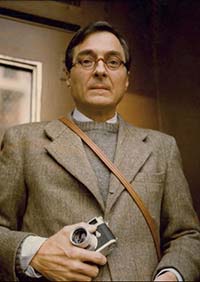 William Eggleston is a leading American photographer well known for achieving recognition of color photography as a form of expression worth exhibiting in art galleries.
He was born in Memphis although he grew up in Sumner in the state of Mississippi, his childhood interests were directed towards drawing, piano and electronics. At the age of fifteen he entered the Webb school in Tennessee, which in 1954 had a traditional education that attached little importance to artistic activities. Upon leaving school, he went to Vanderbilt University where he bought a camera and began taking black and white photographs, but a year later he went to the University of Mississippi at Oxford.
In his first photographic works he was influenced by Robert Frank and by the book The decisive moment written by Henri Cartier-Bresson, 1 although he started working in black and white, in 1965 he began to experiment with color photography; His work seems to have been developed with some isolation from photographic environments, when in 1969 he met John Szarkowski, his work caught his attention so much that he even proposed the purchase of some of his photos to the photographic committee of the Museum of Modern Art in New York. York. In 1970, his friend William Christenberry introduced him to Walter Hopps who was the director of the Corcoran Gallery in Washington, who considered Eggleston’s work very novel.
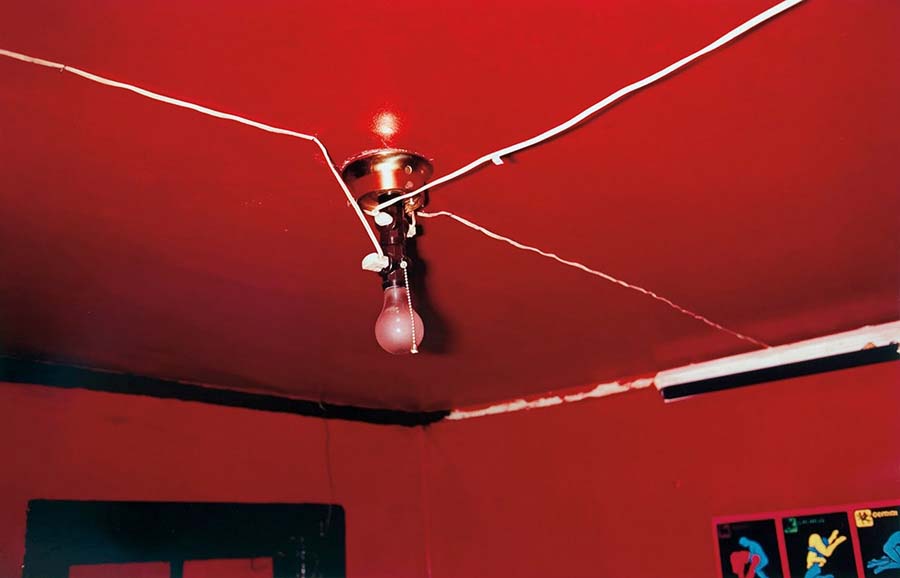
Between 1973 and 1974 he was teaching at Harvard and discovered the process known as Dye-transfer through an advertisement from photographic laboratories, when he got his attention he went to the laboratory in order to find out what the procedure was like and was impressed by the saturation of colors and the qualities of the inks. One of his best-known works made by this procedure is titled The Red Ceiling which is also known as Greenwood, Mississippi, 1973 and Eggleston considers it one of his best works.
In 1976 he made an exhibition at MOMA composed of 75 photographs and which caused a scandal, 4 at that time he met Viva (Janet Susan Mary Hoffmann) who was a superstar of Andy Warhol, with whom he had a long relationship. This fact meant that he frequented pop art environments and, according to Mark Holborn, helped him spread his concept that anything is represented in the same way by the camera lens, known as Democratic Camera, which has also been the title given to the most important retrospective exhibition of his work.
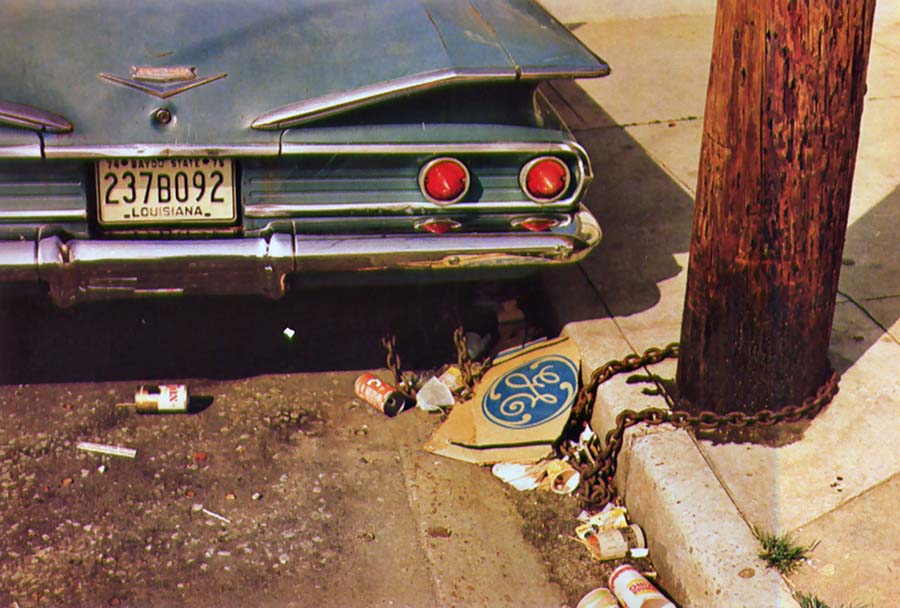
An example of this conception of photography can be found in her work The democratic forest in which, as Eudora Welty points out in the introduction to the book, we can find very diverse objects: old tires, discarded air conditioners, vending machines for Coca Cola, broken signs, electricity poles, barricades on the streets, detour signs, prohibited parking signs, parking meters and palm trees; while any viewer guided by the title would expect to find clean images of trees and streams. Eggleston considers this work as a project of great importance and it is a journey that begins with a photograph of clouds taken in Mayflower County, ending with another night in Saint Louis. He also published another work titled Kiss Me Kracow based on a trip through Europe with photographs taken in Berlin, Vienna, Salzburg or Graz; and another on Egypt.
In 1998 he received the international award from the Hasselblad Foundation and in 2004 he received the PHotoEspaña Baume et Mercier award. A documentary film called William Eggleston in the Real World was released in August 2005.
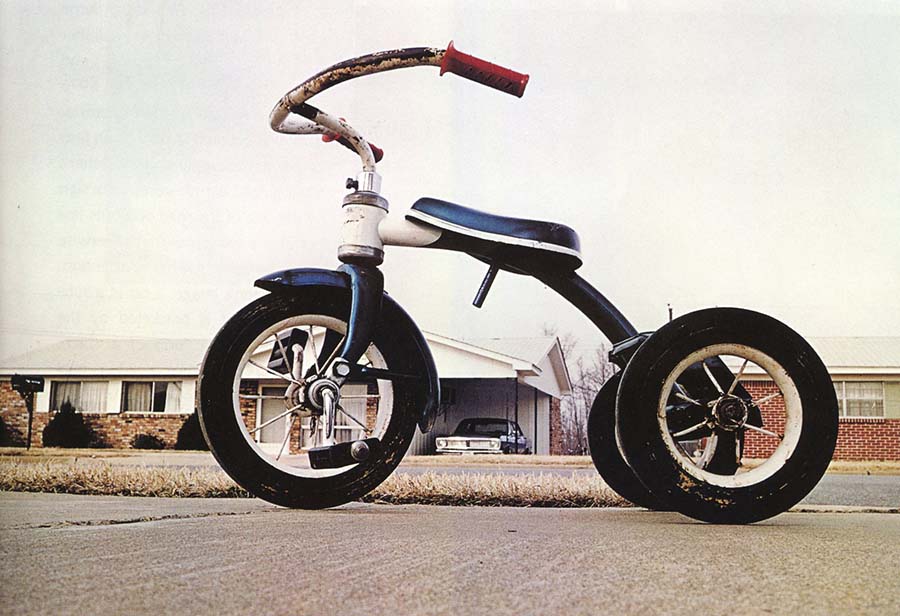
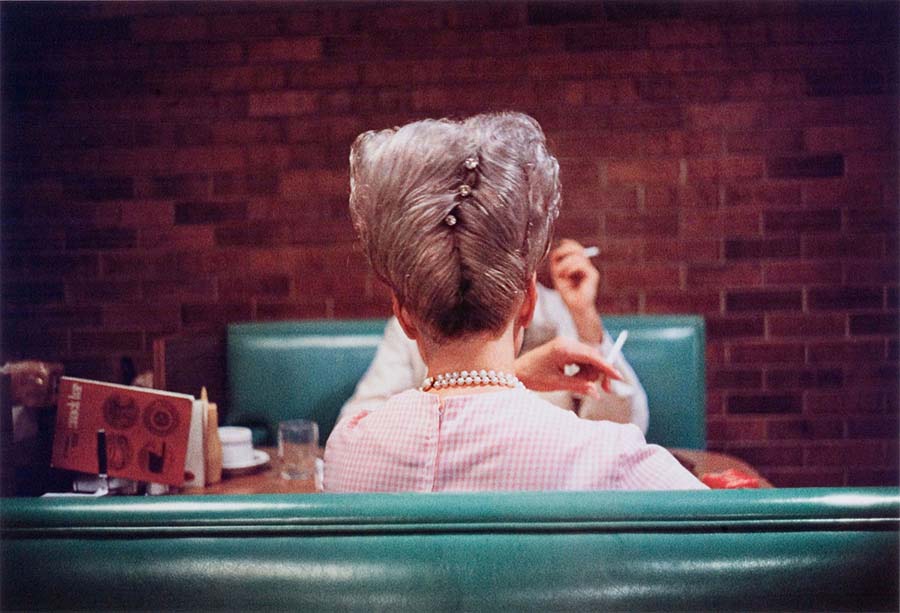
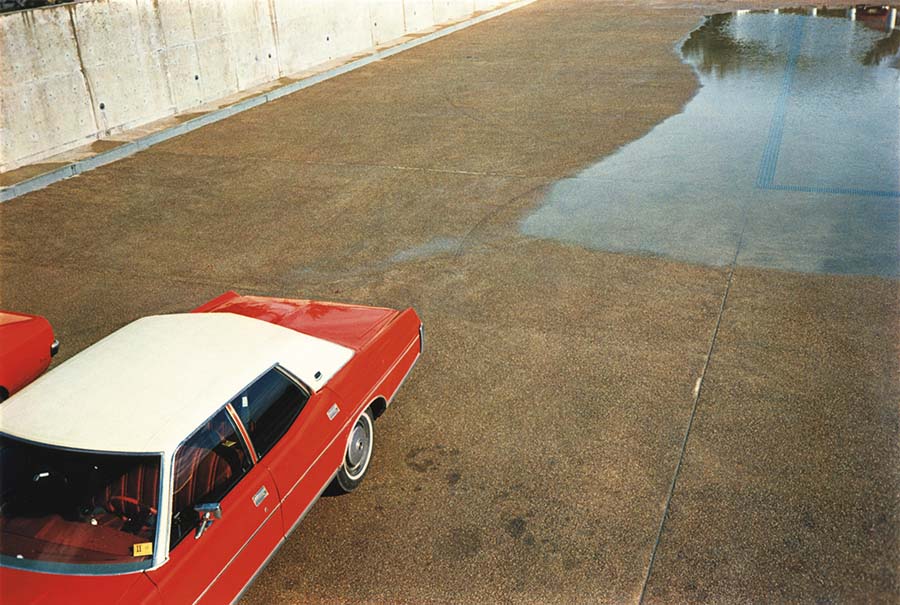
Some of his Photos

You might also like