(1961, São Paulo, Brazil)
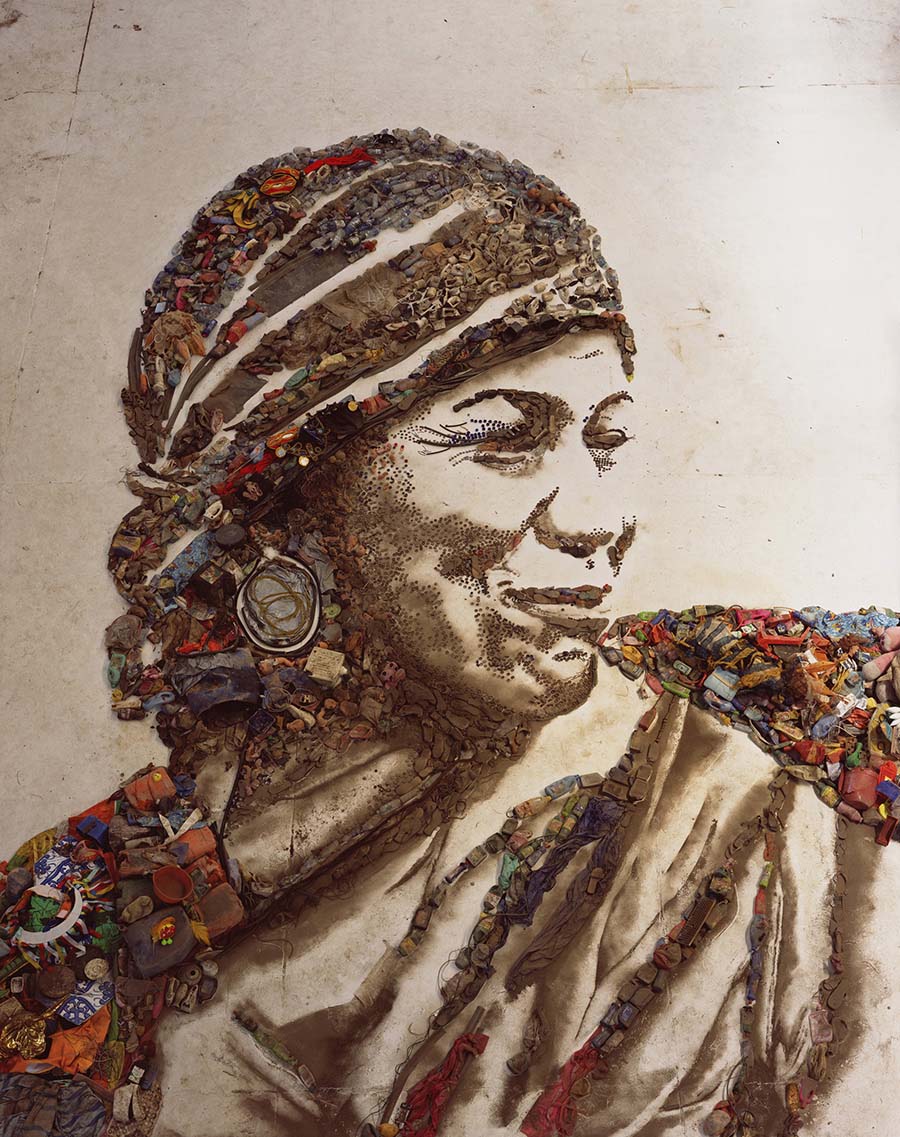
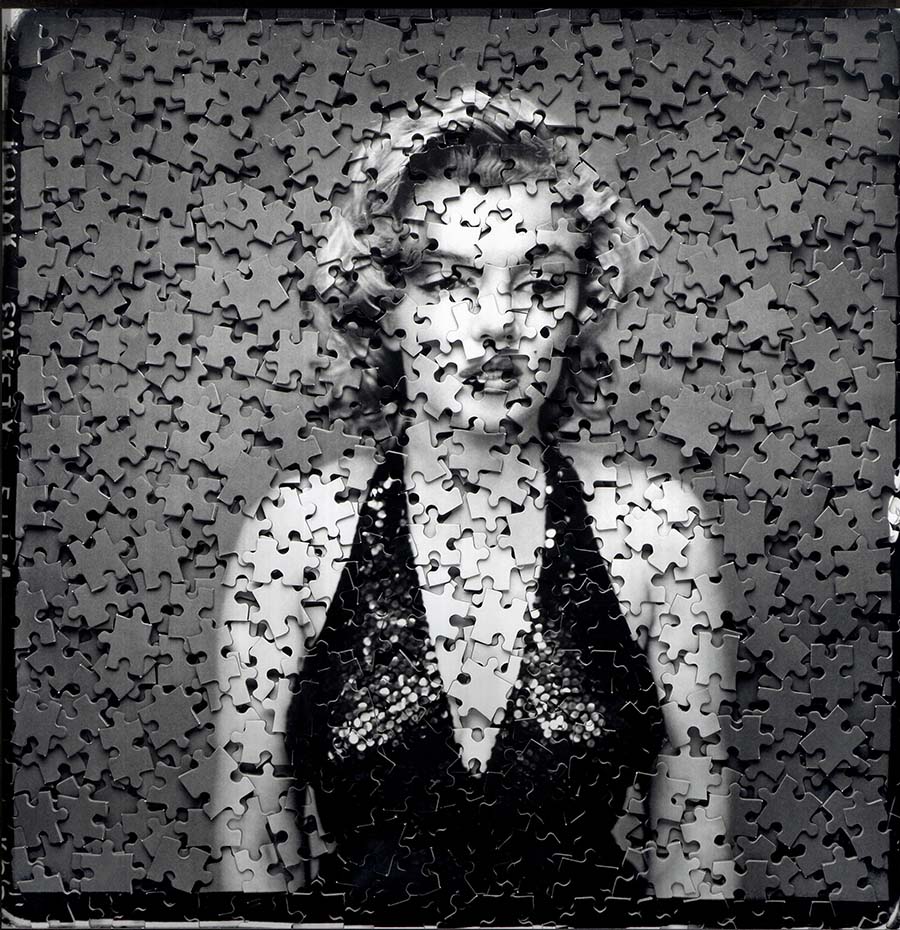
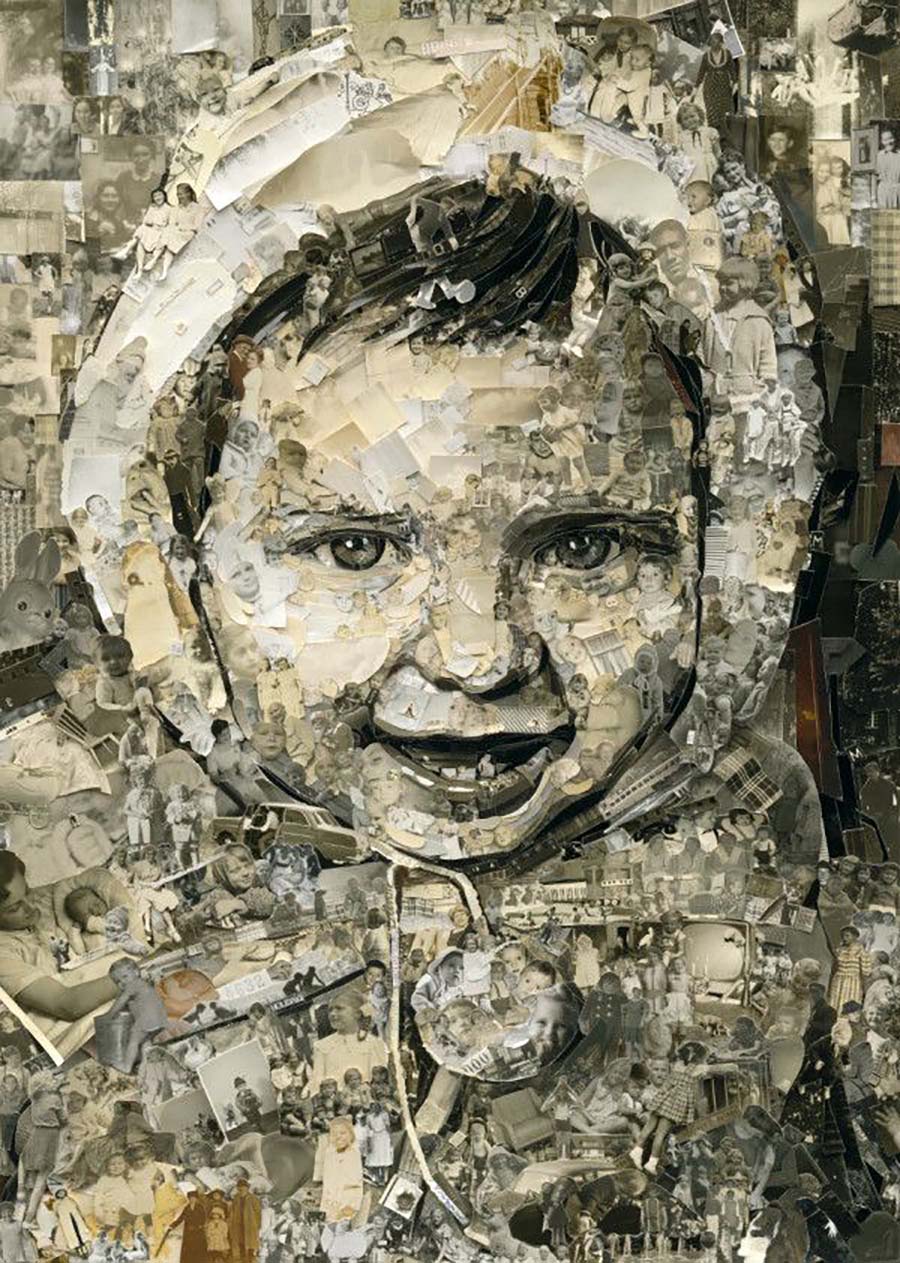
 Vik Muniz is a Brazilian artist and photographer. Initially a sculptor, Muniz was interested in the photographic representations of his work, finally focusing on photography. Working primarily with unconventional materials such as ketchup, diamonds, magazine clippings, chocolate syrup, powder, earth, etc., Muniz creates works of art and then photographs them. His work has met with commercial success and critical acclaim, and has been exhibited worldwide.
In 2010, Muniz appeared in the documentary Waste Land . Directed by Lucy Walker, the film highlights Muniz’s work in one of the world’s largest garbage dumps, the Jardim Gramacho, on the outskirts of Rio de Janeiro . The film was nominated for the Academy Award for Best Documentary Film at the 83rd Academy Awards.
Inspired by the works of Man Ray and Max Ernst, Muniz intricately executes simple images. Understanding Media by Marshall McLuhan encouraged Muniz to explore media perception through abstraction and manipulation of image components. He cites mosaics in a church in Ravenna as one of his influences and is also a self-proclaimed student of Buster Keaton. He decided to become an artist after seeing the works of postmodernists Cindy Sherman and Jeff Koons. Muniz, like these two artists, rewrites popular images in his work. Muniz says he does not believe in the originals, but believes in individuality. Muniz works to reuse the themes and show them in a different light for the viewer.
Vik Muniz with his photographs “Perfect Strangers”, a project for MTA at 72nd Street, 2016 Muniz is best known for recreating famous images from art history and pop culture with unexpected everyday objects and photographing them. For example, Muniz’s Action Photo, after Hans Namuth (from Pictures of Chocolate), a print from Cibachrome, is a recreation of Bosco’s chocolate syrup from one of Jackson Pollock’s photographs of Hans Namuth in his studio. The monumental series Pictures of Cars (after Ruscha) is his social commentary on Los Angeles automotive culture using Ed Ruscha’s 1960s Pop masterpieces, portrayed as ephemeral automobiles. Muniz often works on a large scale and then destroys the originals of his work and only the photo of his work remains.
Muniz has spoken of wanting to make “color images that speak of color and also spoke about the practical simplification of such impossible concepts.” He is also interested in making images that “reveal his process and material structure”, and he describes himself as “a voluntary spectator in the midst of the series of criticisms between structuralist and poststructuralist criticism”.
Muniz says that when taking photographs, he intuitively searches for “a point of view that would make the image identical to that of my head before I did the works,” so that his photographs match those mental images. He considers that photography has “freed painting from its responsibility to represent the world as a fact”.
Publications
- Clayton Days
- Jelly, Garbage + Toys: Making Pictures with Vik Muniz
- Natura Pictrix : Interviews and Essays on Photography
- Vik Muniz: Model Pictures
- Vik Muniz: Reflex: A Vik Muniz Primer
- Vik Muniz: Verso
Some of his photos



You might also like