(6 de julio de 1942)
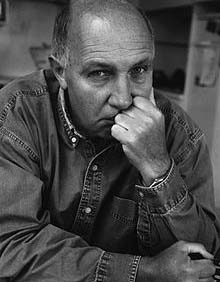
Raymond Depardon is a French photographer and filmmaker born in Villefranche-sur-Saône (Rhone). He is the founder of the Gamma agency. Currently, he is one of the most prestigious directors of documentary films.
Raymond Depardon was one of the founding photographers of the Gamma agency before devoting himself almost entirely to documentary film. The passage between the fixed image and the moving image constitutes one of the most interesting mestizajes between sister arts such as cinema and photography.
His first short films, made at the same time as his photographic reports, show the tension between a fixed image and an image in movement, the need to “free oneself” from the static tyranny of photography. However, throughout his career, his relationship with the camera has been changing, and once he has passed the exploration stage of camera movements, his cinema has gone back to its origins: the still image.
His subjects are very varied. In 1974, Depardon made a film about the campaign of Valéry Giscard d’Estaing to achieve the French presidential elections of 1974 (1974, une partie de campagne). With Dix minutes of silence for John Lennon, of 1980, offers the memory of the singer. A year later, he shot Reporters, a document about press photographers in Paris; for which, during the month of October 1980, he followed very diverse photographers.
Then, in 1983, Depardon made a documentary, Faits divers, on the daily life of the Parisian police, which would serve to approach the world of everyday crime, which will deal otherwise in Flagrant Crimes.
On several occasions he has shot two documentaries with very similar themes. This is the case with San Clemente (1982), where he stops in everyday life in an asylum located on a Venetian island. Depardon is a humble author, nothing tax (“I do not try to bother, I’m shy and melancholic, I prefer to take pictures from five or ten meters”), does not inquire about madness but records as best as possible -indirectly- the appearances, the atmosphere, the rhythms of those segregated places. And in 1988 he will use that previous experience to shoot now, again psychiatric emergencies, at the Hôtel-Dieu hospital in Paris, with a style even more stripped than before.1
The same will happen with Flagrant Crimes (1994) and, ten years later, 10th Chamber, instants of hearing (2004), which collects statements before the prosecutor of alleged small offenders. He filmed them asking for their permission, and he did not attach the possible punishments. The good bill of the documentary, the presence of forms of courtesy, could not hide the extreme situation of most of the people brought before the ordinary courts.
On the other hand, films like Profils paysans (documentary, from 2001, with several families from rural areas in Lozère, Ardèche and Haute-Loire), explore the ability of a fixed plane to extract all its essence from reality, and capture what Photography does not achieve: the passage of time.
In Un hombre sin Occidente (2002), Depardon narrates the experience of an African hunter, lonely (without the West), who tries to survive at the end of the 20th century.
Journal de France, of the year 2012, is a recent documentary about the memory of France of which Depardon is director, screenwriter and photographer. Search now fragments of films to see how over time various filmmakers caught the most defining of the French world.
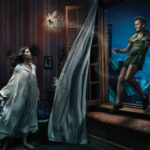
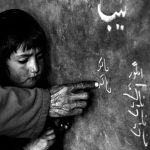
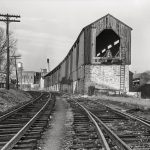
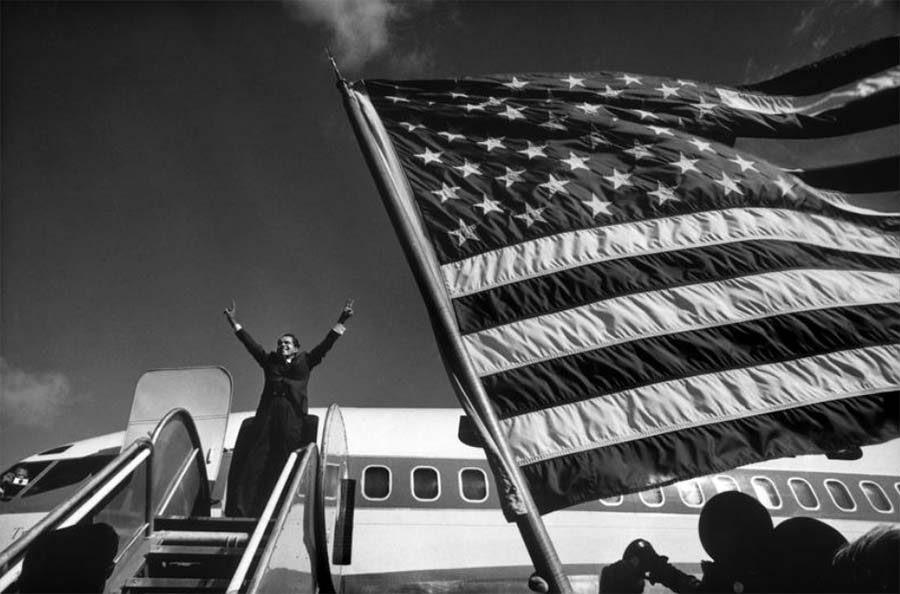
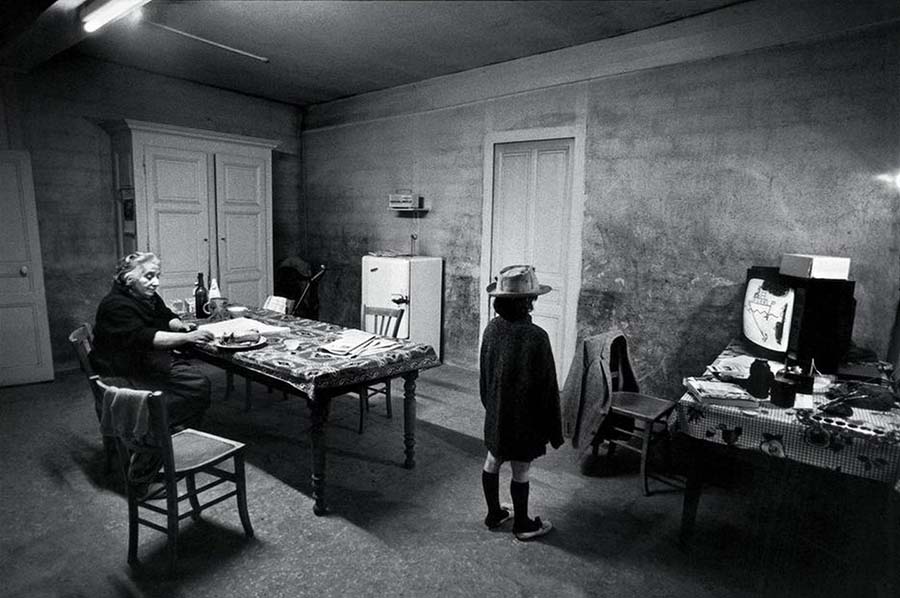
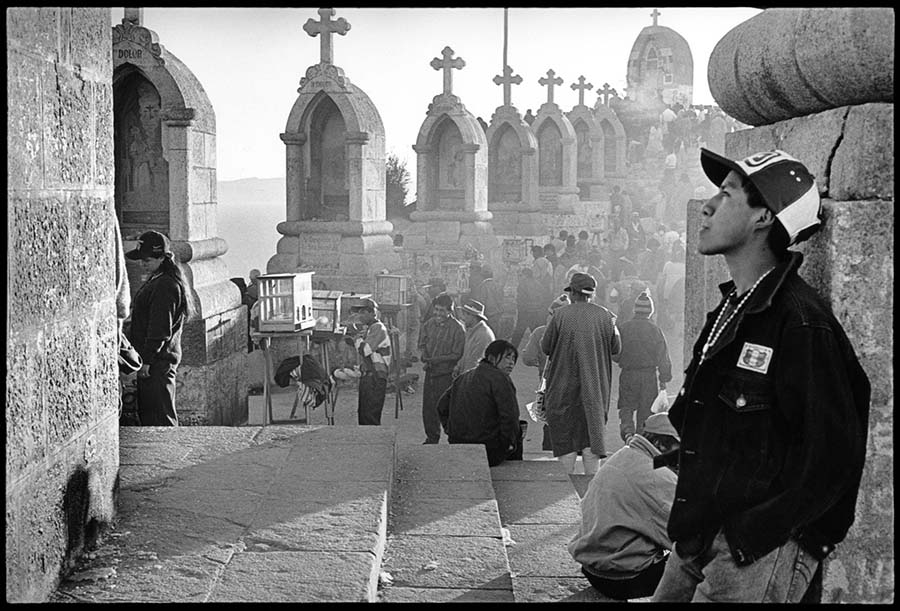
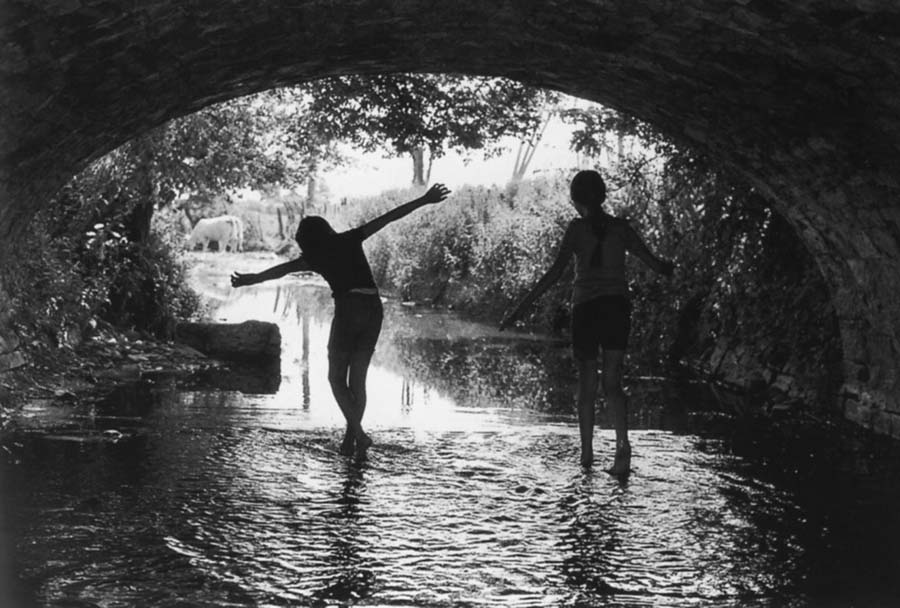
Some of his photos:

You might also like