(Los Angeles, 1939)
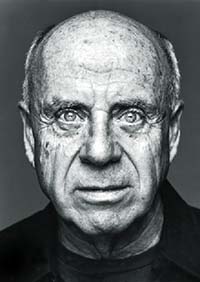 Ralph Gibson is an American photographer. He learned photography in the navy and was later an assistant to Dorothea Lange and Robert Frank. His three books are called the “black trilogy”: The Somnambulist, Déjà Vu and Days at Sea.
He was born in Los Angeles on January 16, 1939 and was the only child of Rita Vargas and C. Carter Gibson. His father worked at Warner Bros, making filmmaking part of the family’s daily life. During his youth Ralph participated as a helper in films by Nicholas Ray or Alfred Hitchcock, of which his father was an assistant. When his parents divorced in 1954, his school performance dropped and he dropped out of school in 1955 at the age of sixteen. Until he was old enough to enlist in the Navy, he was working as a mechanic and on his birthday in 1956 he volunteered.
Learning photography: US Navy and San Francisco.
By chance he entered the Naval School of Photography based in Pensacola in Florida, where he acquired a very complete technical training. His job in the Navy consisted of portraits, aerial photography, and documentary photography. He also had the opportunity to learn photographic techniques applied to printing such as halftone engraving. Another opportunity that his enlistment offered him was to get to know different places, that way when his ship stopped in New York he frequented jazz clubs and attended poetry readings by Allen Ginsberg, Gregory Corso and Jack Kerouac. He finished his military service in October 1959 three months ahead of schedule. During it he not only learned the photographic trade but also found his vocation as a photographer.
Upon his return to Los Angeles, he intended to enroll in art school, but after a brief stay in San Francisco, he decided to move to study photography at that city’s art institute. In 1960 he began his studies, but he only completed two semesters since he wanted to train through work. Her teacher, Paul Hassel, recommended an assistant job with Dorothea Lange. He worked with her for a year and a half, although at the same time he developed his personal style. His first exhibition was held at the Photographers’ Roundtable gallery in the city. When he bought a Leica 35mm film camera in 1961, he discovered new possibilities and another way of taking photographs. In 1962 he decided to move to Los Angeles to work as a photojournalist.
His career as a freelance photographer began in Los Angeles, but he did not get many jobs. However, he spent several months working for the Cinerama Corporation, which was preparing the 1964 New York World’s Fair. He published his first photos in 1963 in the Nexos magazine in San Francisco. In 1965 his mother died. During the following year he worked for various fashion graphic editors. One of his jobs for the Kennedy Graphics agency became his first book, The Strip.
At the end of 1966 he decided to move to New York and settled in the Chelsea Hotel with his Leicas and two hundred dollars in his pocket. This city stimulated his imagination and seemed to him like a paradise for photographers. He soon got numerous jobs and was able to frequent the environments of young artists. In early 1967 she met Robert Frank and hired him as an assistant in the movie Me and My Brother. In 1968 he meets Larry Clark and Mary Ellen Mark, who influence his conception of photography. From that moment on, he moved away from photojournalism and expressed a rejection of commercial photography.
Attracted by writers like Marguerite Duras and Jorge Luis Borges, for the new novel, atonal music and concrete poetry he dedicated himself to life at night and to sleep during the day. His conception of photography changes and becomes the instrument of his introspection. His negatives adopt a surreal tone and with them he decides to publish a book: The Somnambulist. However, he had to wait three years to publish it. At first because he could not find a publisher, but as soon as he had several offers he preferred to create his own publisher, Lustrum Press, in 1969, in order to maintain his independence. In 1970 he made a circulation of 3,000 copies of the book, and its publication was an immediate success. From the same Gibson was demanded to expose his works and to give conferences.
Photographic recognition
Since the publication of his book Ralph Gibson has been recognized in photographic circles. In 1971 he undertook a trip through Europe, which allowed him to take a large number of photos in France and England, which he included in his book Déjà Vu, published in 1973 and which was the second in his trilogy. In that same year, his editorial, Lustrum Press, published the book entitled Tulsa, by Larry Clark. The last book of his trilogy appears in 1975, with the title of Days at Sea.
He has received numerous distinctions and awards. In 1973, 1975 and 1986 he was awarded by the National Endowment for the Arts; in 1977 by the Deutscher Akademischer Austauschdienst Exchange in Berlin, and by the New York State Council of the Arts; and in 1985 by the John Simon Guggenheim Memorial Foundation.1 He was also awarded the Officier de L’Ordre des Arts et des Lettres in 1986 and in 2002 as the Commandeur de L’Ordre des Arts et des Lettres by the French government.
His awards include: Leica Medal of Excellence Award (1988); 150 Years of Photography Award given by the Photographic Society of Japan in 1989; the Grand Medal of the city of Arles in 1994 and the Lucie Award in 2007 for the achievements made throughout his life. He was named Honorary Doctor of Arts in 1991 by the University of Maryland and in 1997 by Ohio Wesleyan University. Gibson lives in New York and travels frequently to Europe and Brazil.
Bibliography
- Gibson, R. (1967). The Strip (en inglés). Los Ángeles: Roger Kennedy Graphics.
- Gibson, R. (1970). The Somnambulist (en inglés). Nueva York: Lustrum Press.
- Gibson, R. (1973). Déjà Vu (en inglés). Nueva York: Lustrum Press.
- Gibson, R. (1975). Days at Sea (en inglés). Nueva York: Lustrum Press.
- Gibson, R. (1983). Syntax (en inglés). Nueva York: Lustrum Press.
- Gibson, R. (1987). The Archive, Volume 24: Ralph Gibson: Early Works.
- Gibson, R. (1996). Lichtjahre/Light Years (en alemán, inglés).
- Gibson, R. (1998). Overtones (en inglés).
- Gibson, R. (1999). Deus Ex Machina (en inglés).
- Gibson, R. (2001). Ex Libris (en inglés).
- Gibson, R. (2004). Light Strings (en inglés).
- Gibson, R. (2006). Parcours. París: Au Pont des Arts.
Links
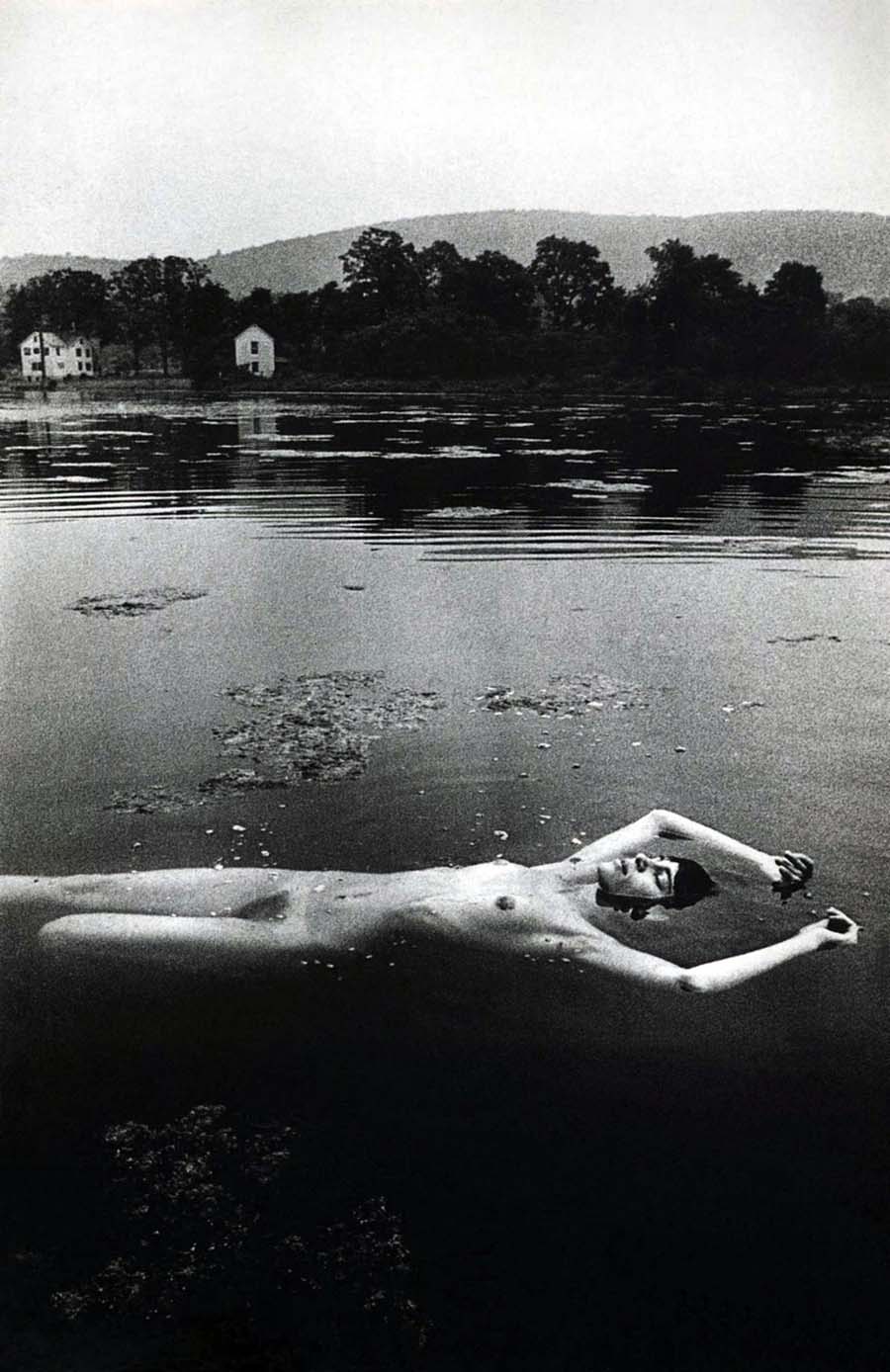
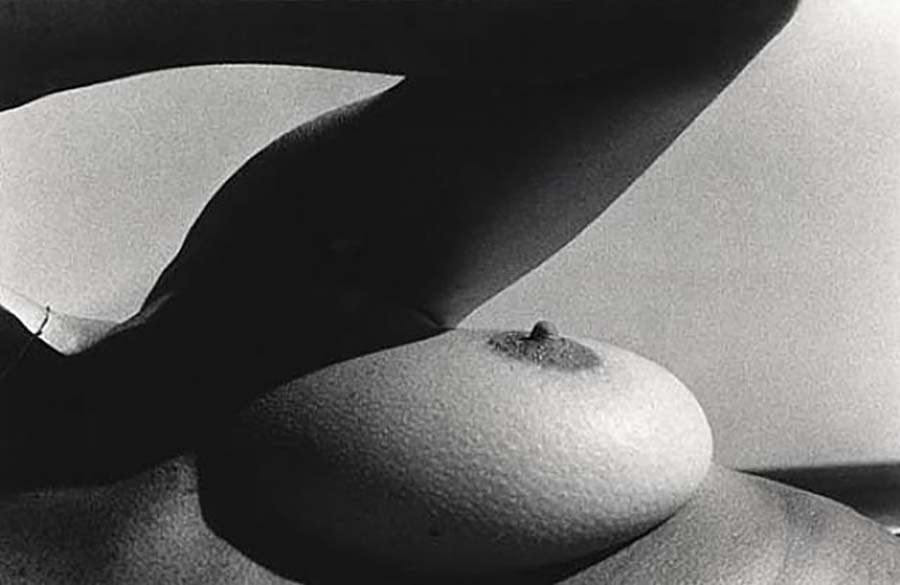
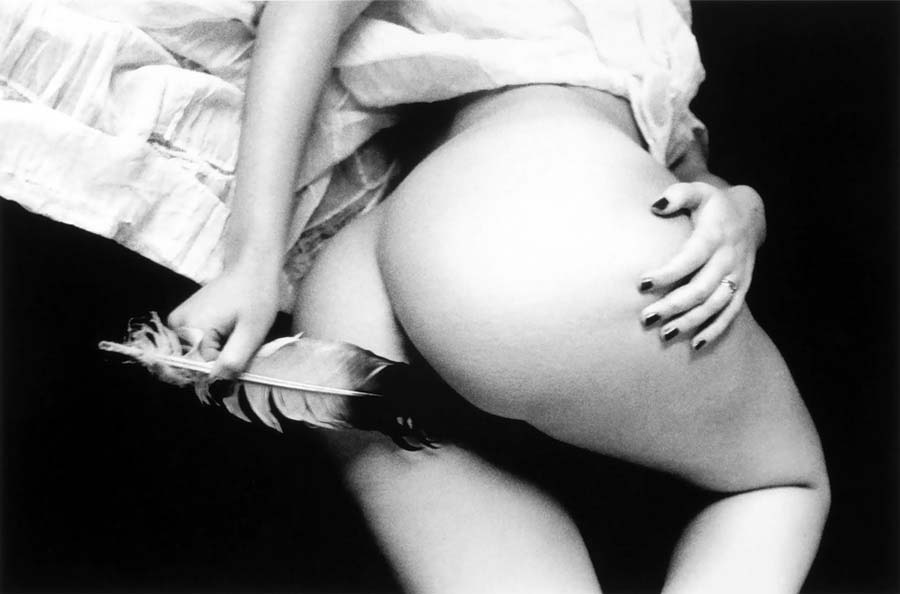
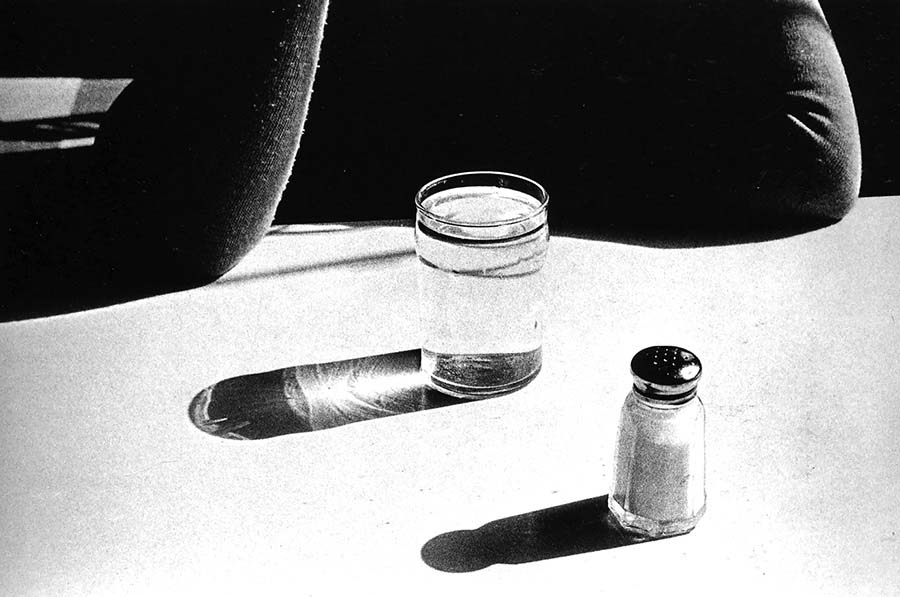
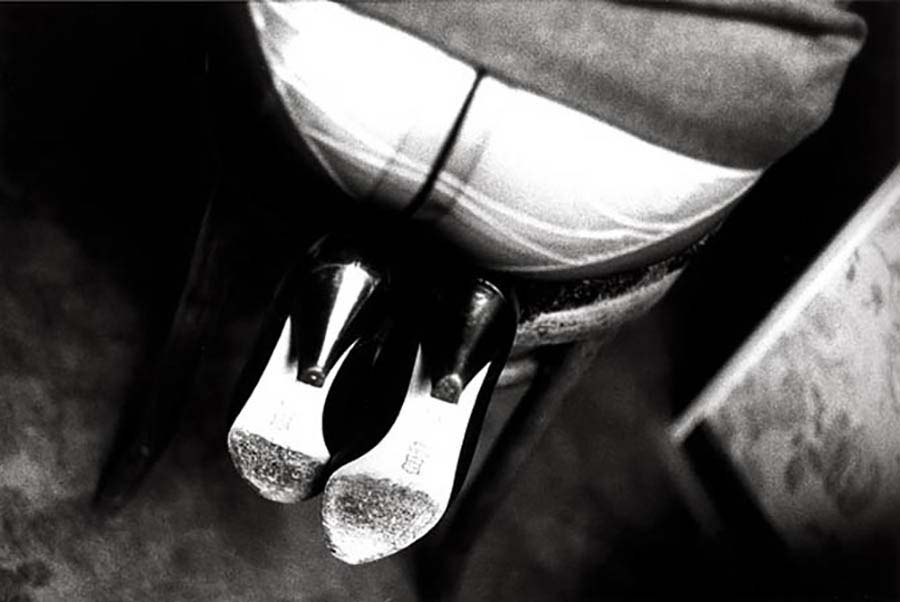
Some of his Photos

You might also like