(August 15, 1896 – October 17, 1958)
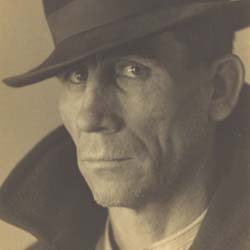 Paul Outerbridge was an American photographer who was prominent for his early use and experimentation with color photography. He was a fashion and commercial photographer, one of the early pioneers and masters of color photography. He created erotic nude photographs that could not be exhibited during his lifetime.
As a teenager, Outerbridge worked as an illustrator and theater designer, creating sets and lighting schemes. After an accident caused his discharge from the Royal Canadian Naval Air Service in 1917, he enlisted in the U.S. Army, where he produced his first photographic work.
In 1921, Outerbridge enrolled in the Clarence H. White School of Photography at Columbia University. Within a year, his work began to be published in Vanity Fair and Vogue magazines.
In London in 1925, the Royal Photographic Society invited Outerbridge to exhibit in a solo show.
Outerbridge then traveled to Paris and befriended artists and photographers Man Ray, Marcel Duchamp, and Berenice Abbott. In Paris, he produced a design for French Vogue magazine, met and worked with Edward Steichen, and built the largest and most comprehensive advertising photography studio of the time.
In 1929, 12 of Outerbridge’s photographs were included in the prestigious German Film und Foto exhibition.
Returning to New York in 1929, Outerbridge opened a studio for commercial and artistic work and began writing a monthly column on color photography for U.S. Camera Magazine. Outerbridge became known for the high quality of his color illustrations, made by an extremely complex carbro tricolor process.
In 1937, Outerbridge’s photographs were included in an exhibition at the Museum of Modern Art, and in 1940 he published his seminal book Photographing in Color, using high-quality illustrations to explain his techniques.
Outerbridge’s vividly colored nude studies included early fetish photos and were too indecent by contemporary standards to find acceptance with the general public. A scandal over his erotic photography led Outerbridge to retire as a commercial photographer and move to Hollywood in 1943. Despite the controversy, Outerbridge continued to contribute photo essays to magazines and write his monthly column.
In 1945, he married fashion designer Lois Weir and worked at their joint fashion company, Lois-Paul Originals. He died of lung cancer in 1958.
A year after his death, the Smithsonian Institution organized a solo exhibition of Outerbridge’s photographs. Although his reputation has faded, the revival of Outerbridge’s photography in the 1970s and 1990s brought him into the public consciousness periodically.
BIBLIOGRAPHY
- Outerbridge, Paul. Photographing in Color. New York: Random House, 1940
- Howe, G. (essay), Robert Glenn Ketchum (editor) (1976). Paul Outerbridge Jr.,. Los Angeles: Center for Photographic Studies
- Hawkins, G.; Howe, G.; Markham, J. (1980). Paul Outerbridge Jr. Photographs. New York: Rizzoli. p. 159
- Dines, E.; Howe, G. (1981). Paul Outerbridge Jr.: A Singular Aesthetic. Los Angeles: Arabesque Books
- Howe, G. (1996). Nudes: Paul Outerbridge. Milan: Federico Motta Editore. pp. 60 pages
- Paul Outerbridge: 1896-1958, Paul Outerbridge, Carol McCusker, Elaine Dines-Cox, M. F. Agha, and Manfred Heiting, Editor (1999)
- Graham Howe, with co-curators Ewing, W. and Prodger, P. Paul Outerbridge: New Color Photographs from Mexico and California, 1948–1955. Nazraeli Press
SOME PHOTOS
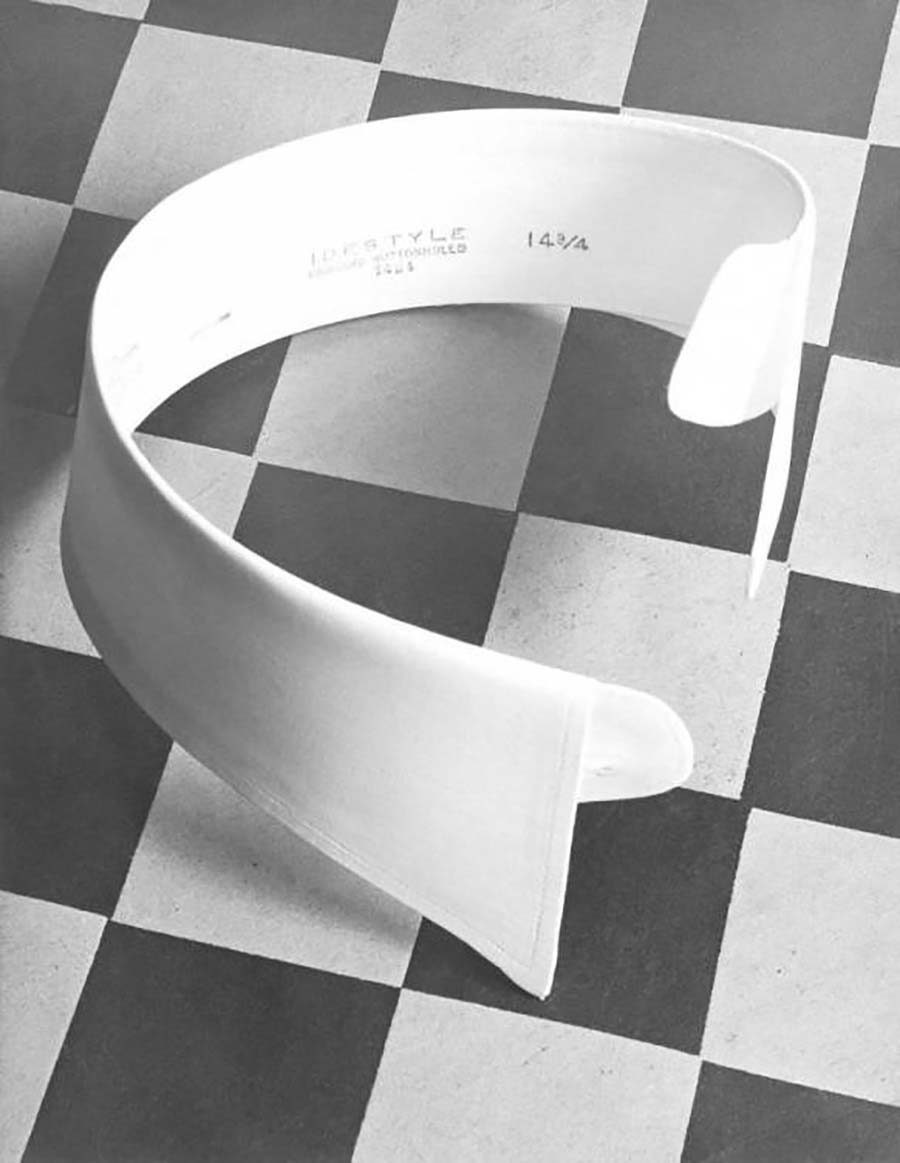


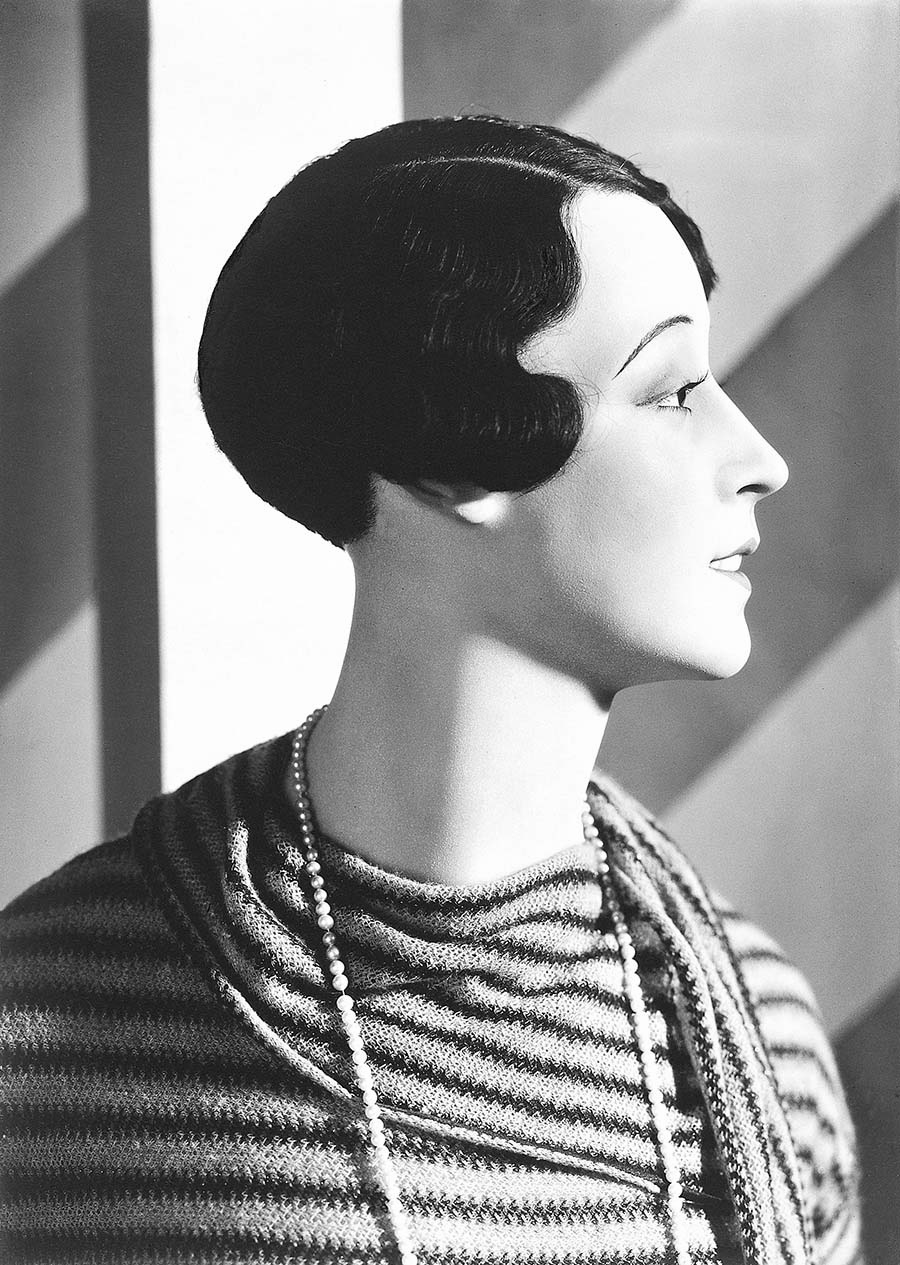

You might also like