(12 de septiembre de 1945 – 22 de noviembre de 2014)
 Lewis Baltz was a very important visual artist and photographer in the New Topographics movement of the late seventies. His work has been published in several books, presented at numerous exhibitions and appeared in museums such as the Museum of Modern Art in Paris, the Museum of Contemporary Art in Helsinki, the San Francisco Museum of Modern Art and the Whitney Museum of American Art, New York. He wrote for many magazines and contributed regularly to L’Architecture d’Aujourd’hui.
Baltz, born in Newport Beach, California, graduated with a BFA in Fine Arts from the San Francisco Art Institute in 1969 and earned a Master of Fine Arts from the Claremont Graduate School. He received several scholarships and awards, including a grant from the National Endowment for the Arts (1973, 1977), John Simon Guggenheim Memorial Fellowship (1977), US-UK Bicentennial Exchange Fellowship (1980) and Charles Brett Memorial Award (1991). In 2002, Baltz became a professor of photography at the European Graduate School in Saas-Fee, Switzerland. He lived his last years between Paris and Venice.
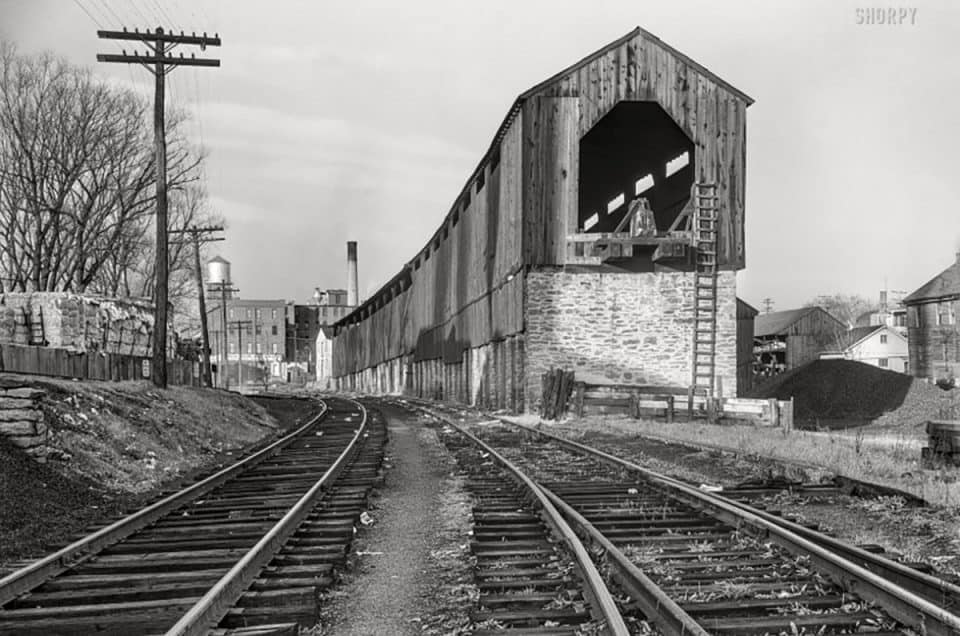
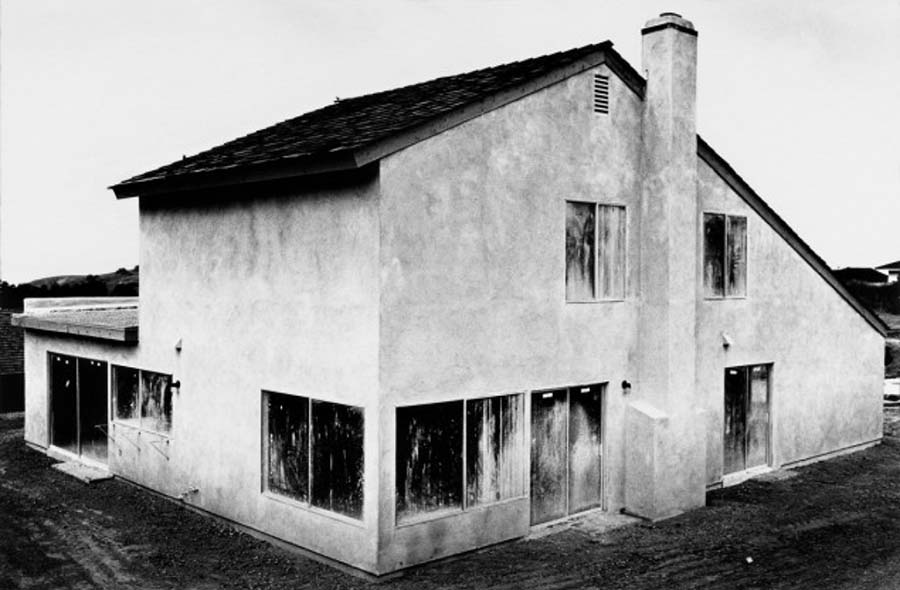
His work focuses on the search for beauty in desolation and destruction. The images of Baltz describe the architecture of the human landscape: offices, factories and parking lots. His paintings are a reflection of control, power and are influenced by and on human beings. His minimalist photographs in the trilogy Ronde de Nuit, Docile Bodies and Politics of Bacteria, represent the emptiness of the other. In 1974 he captured the anonymity and relationships between habitability, settlement and anonymity at The New Industrial Parks near Irvine, California (1974).
Baltz moved to Europe in the late 1980s and began using large colored prints. He published several books of his work, including Geschichten von Verlangen und Macht, with Slavica Perkovic (Scalo, 1986). Other photographic series, including Sites of Technology (1989-92), show the pristine and clinical interiors of high-tech industries and government research centers, mainly in France and Japan.
His books and exhibitions, his “topographical work”, such as The New Industrial Parks, Nevada, San Quentin Point, Candlestick Point (84 photographs documenting a public space near Candlestick Park, ruined by natural detritus and human intervention), expose the crisis of Technology and define both the objectivity and the role of the artist in the photographs.
In 1995 he produced the Deaths in Newport story as a book and a CD-ROM. He died on November 22, 2014 at the age of 69 after a long illness.
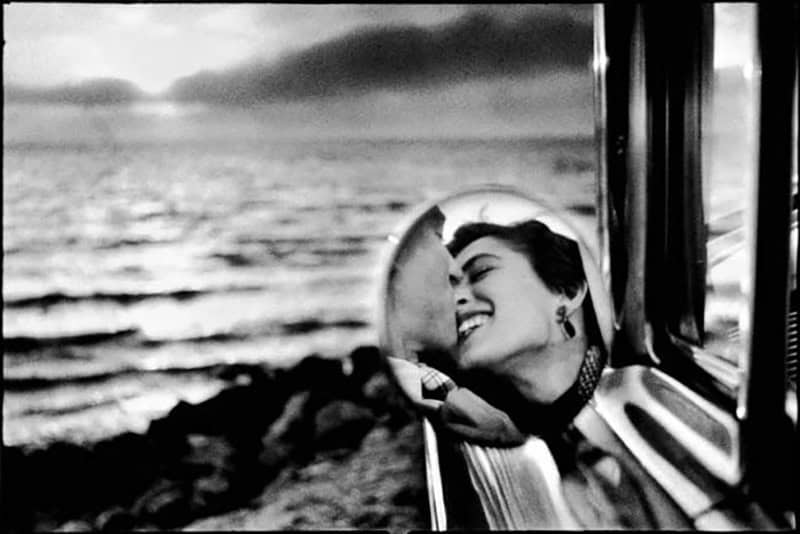
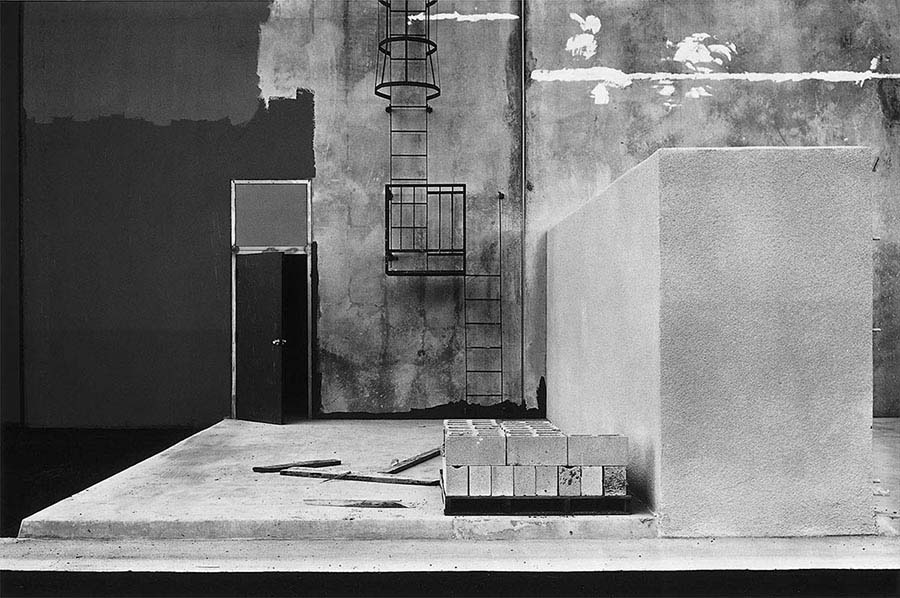
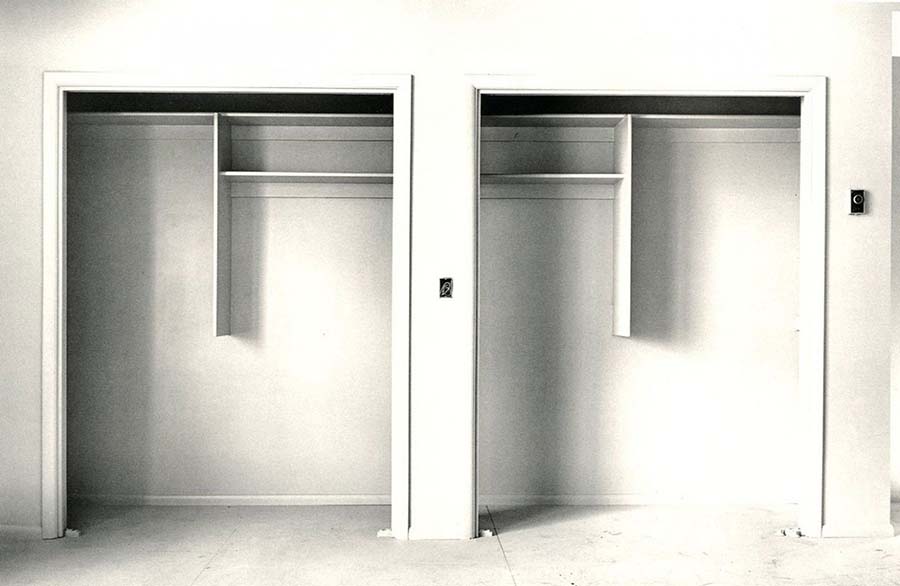
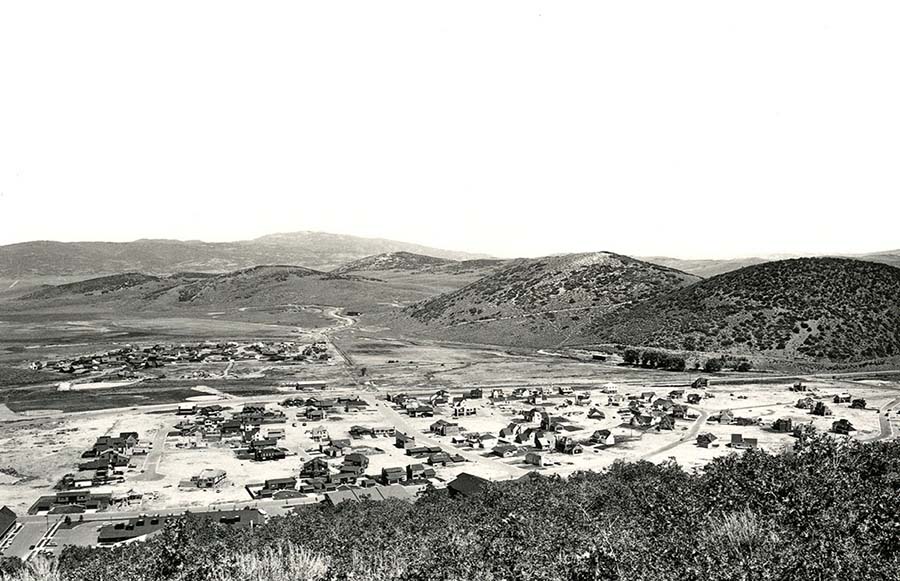
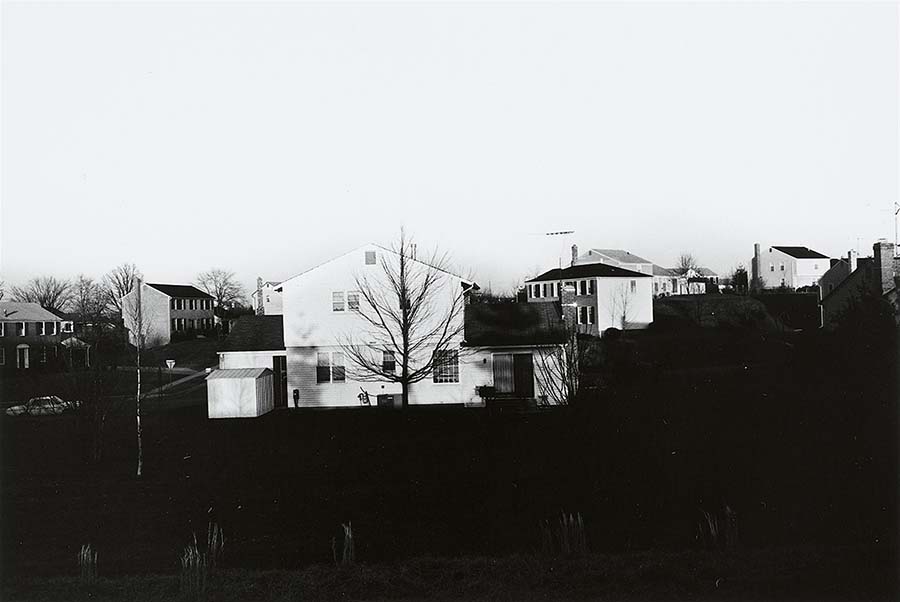
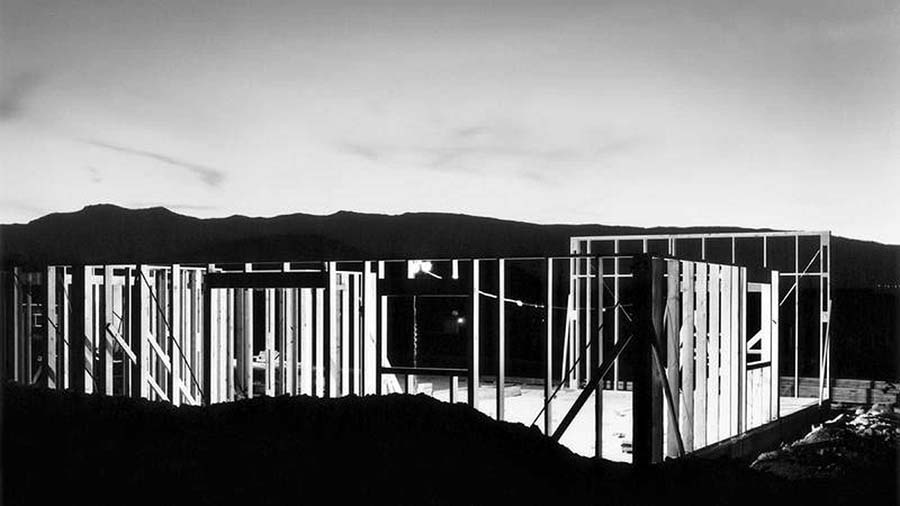
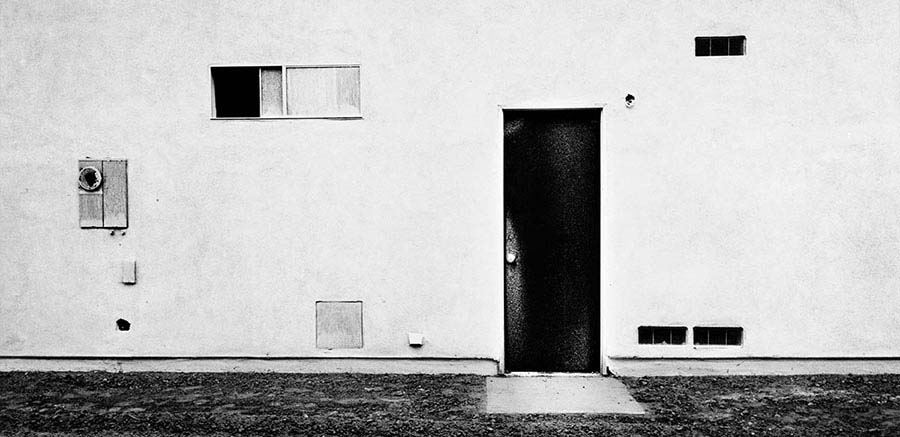
Some of his photographs

You might also like