(june, 13, 1865 – december, 9, 1932)
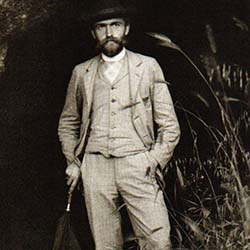 Karl Blossfeldt he was a German photographer known for his photographs of plant forms and a member of the so-called New Objectivity (Neue Sachlichkeit).
Karl Blossfeldt began studying sculpture in 1881. He was a molder in a foundry, where he already used leaves as a presentation for his ornaments. Later, at the age of 19, he began graphic studies at the Berlin School of Applied Arts (Unterrichtsanstalt des Kunstgewerbemuseums Berlin, today the Art University of Berlin, Universität der Künste Berlin). But his passion remained photography and for this passion he participated in Rome from 1890 to 1896 in Professor Moritz Meurer’s project: the manufacture of materials for ornamental organization, with which he debuted as a systematic photographer of plants, his first publications appear by Meurers.
In 1898 Karl Blossfeldt became an assistant at the School of Applied Arts and from 1899 a lecturer on the subject of modeling according to plants. In 1921, he was appointed professor and from 1924, he is situated in the Vereinigten Staatsschulen für Freie und Angewandte Kunst (Gathered Schools of Free and Applied Arts) in Berlin.
Its gallery owner, the Berliner Karl Nierendorf (1889-1947) exhibited in 1926. The modernity of his photographs was quickly recognized. His first book Urformen der Kunst (The Original Forms of Art) appeared in 1928 published by the important Berlin publisher Wasmuth, and makes it an overnight myth. Once retired, he published shortly before dying “Wundergarten der Natur” (The wonderful garden of nature, 1932).
Karl Blossfeldt viewed his photographs as learning material, not as autonomous works of art. His photographs, the scale of which he enlarged and which turned into slides, have been projected on walls and have served as a model for drawing classes and to observe details of plants. In addition, he illustrated natural forms and structures and his works have been used as ornamental models of products.
Blossfeldt himself considered himself more of a plant fanatic than a photographer. With his precise studies, he discovered graphic details and which botanist named his photographs with Latin names.
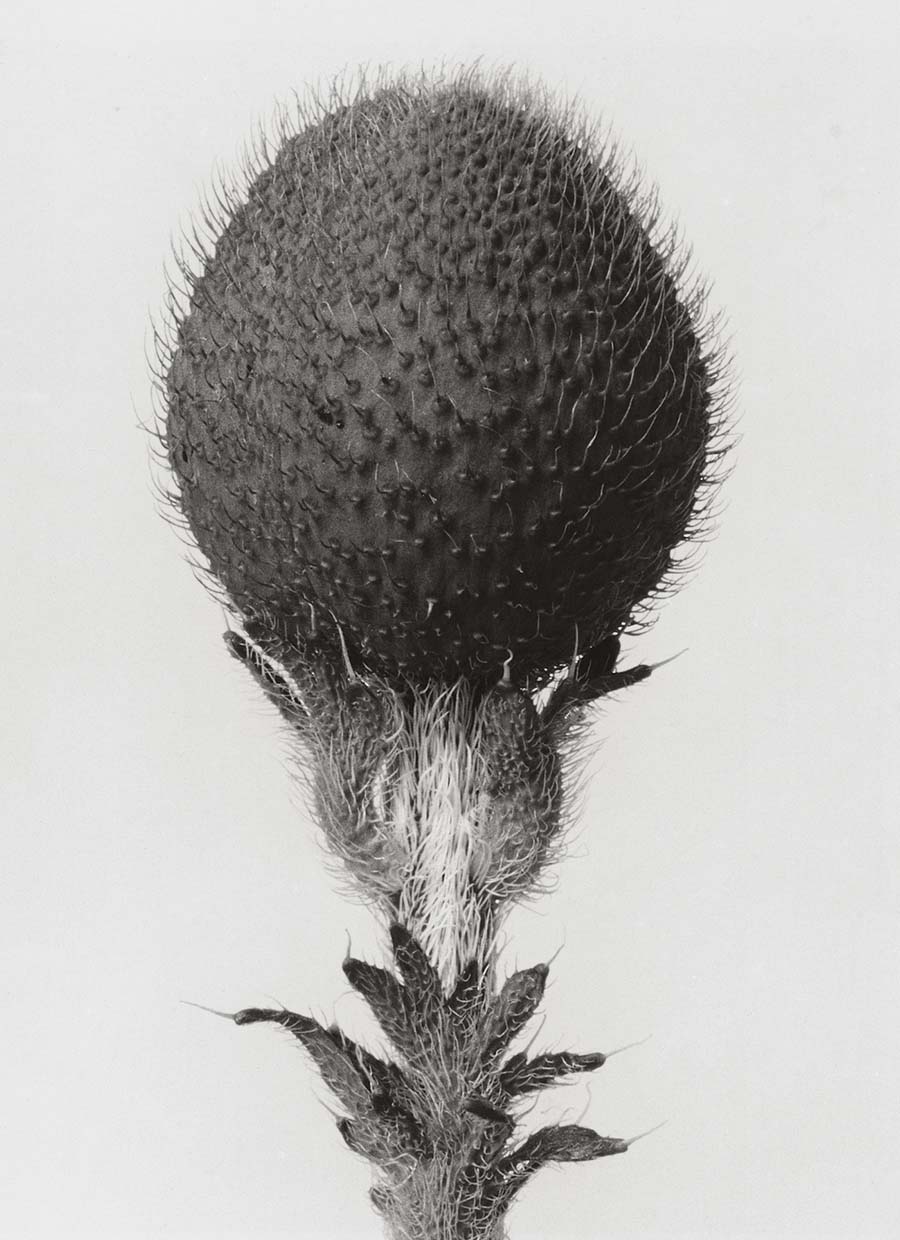
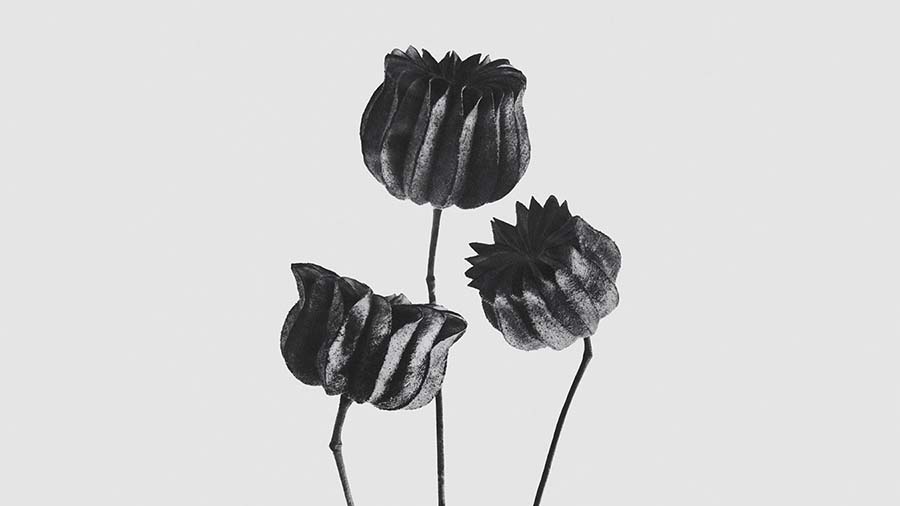
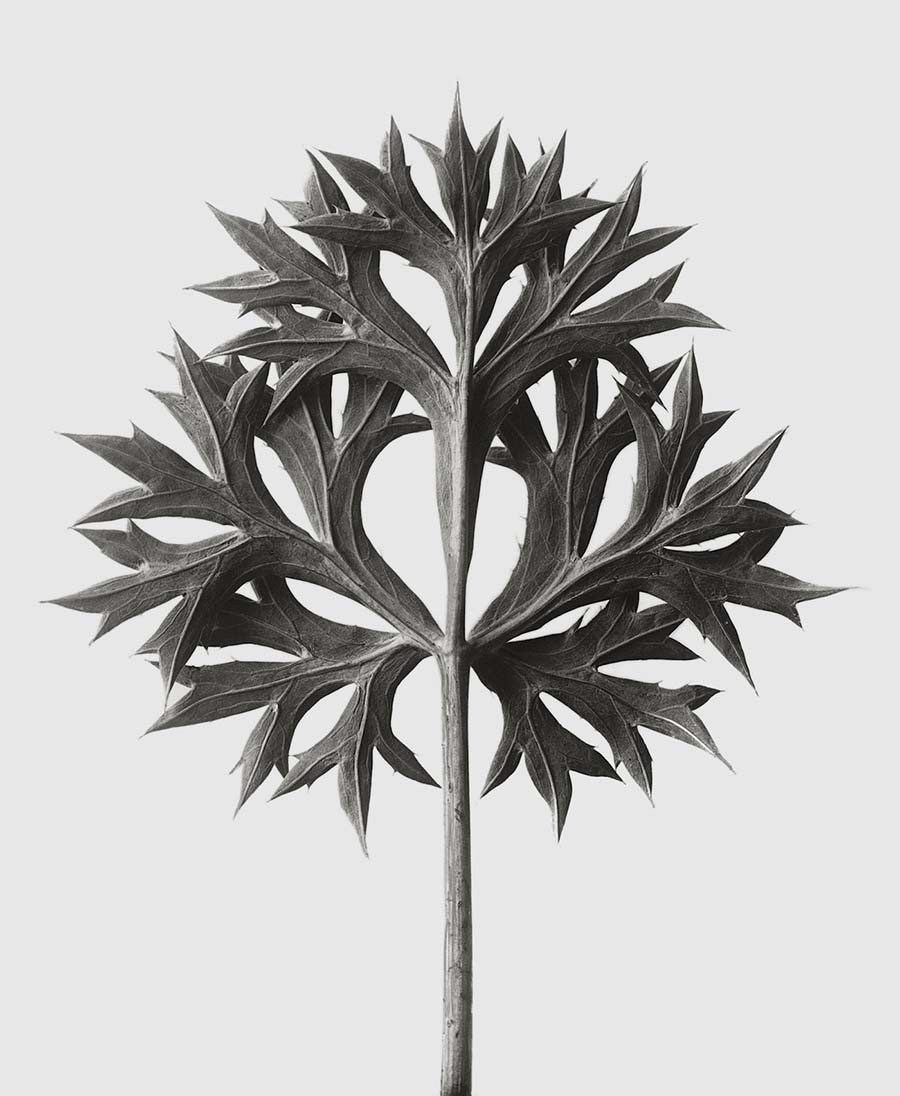
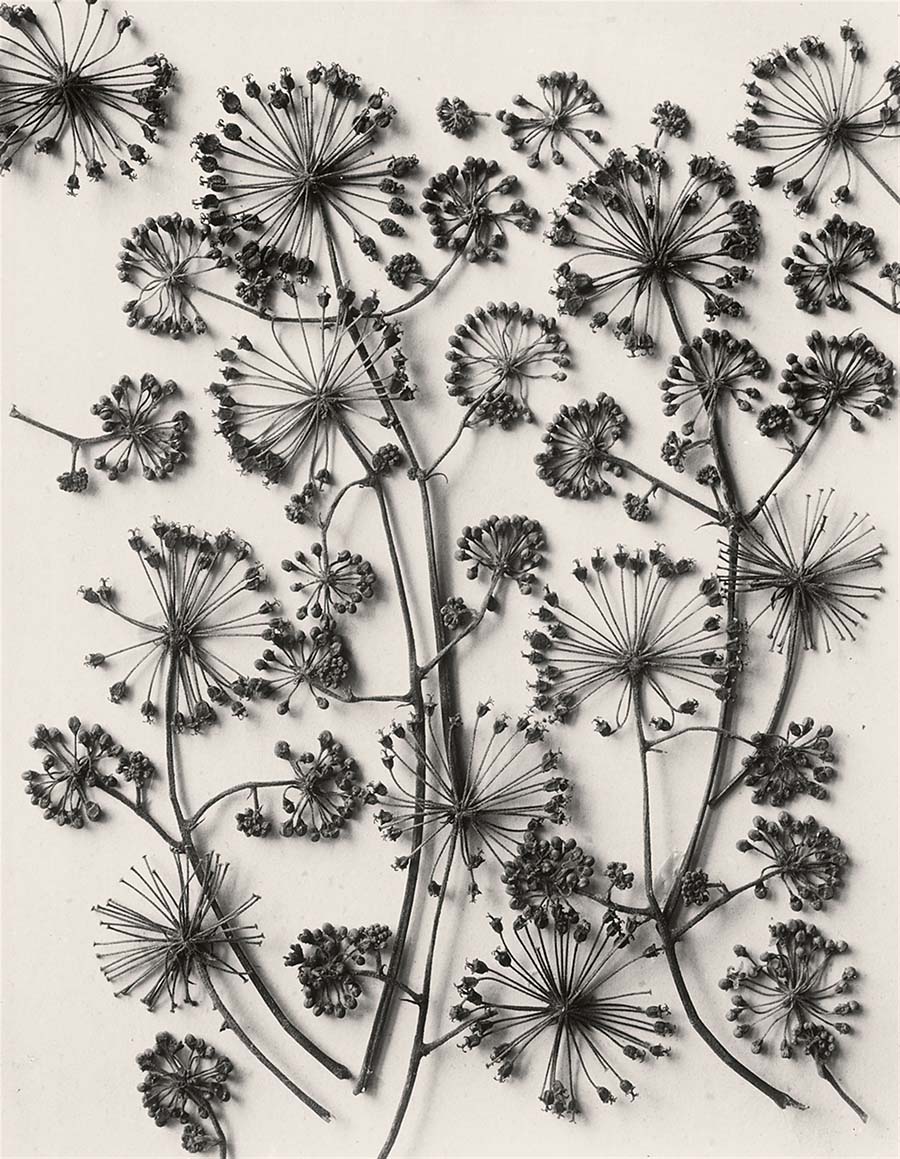
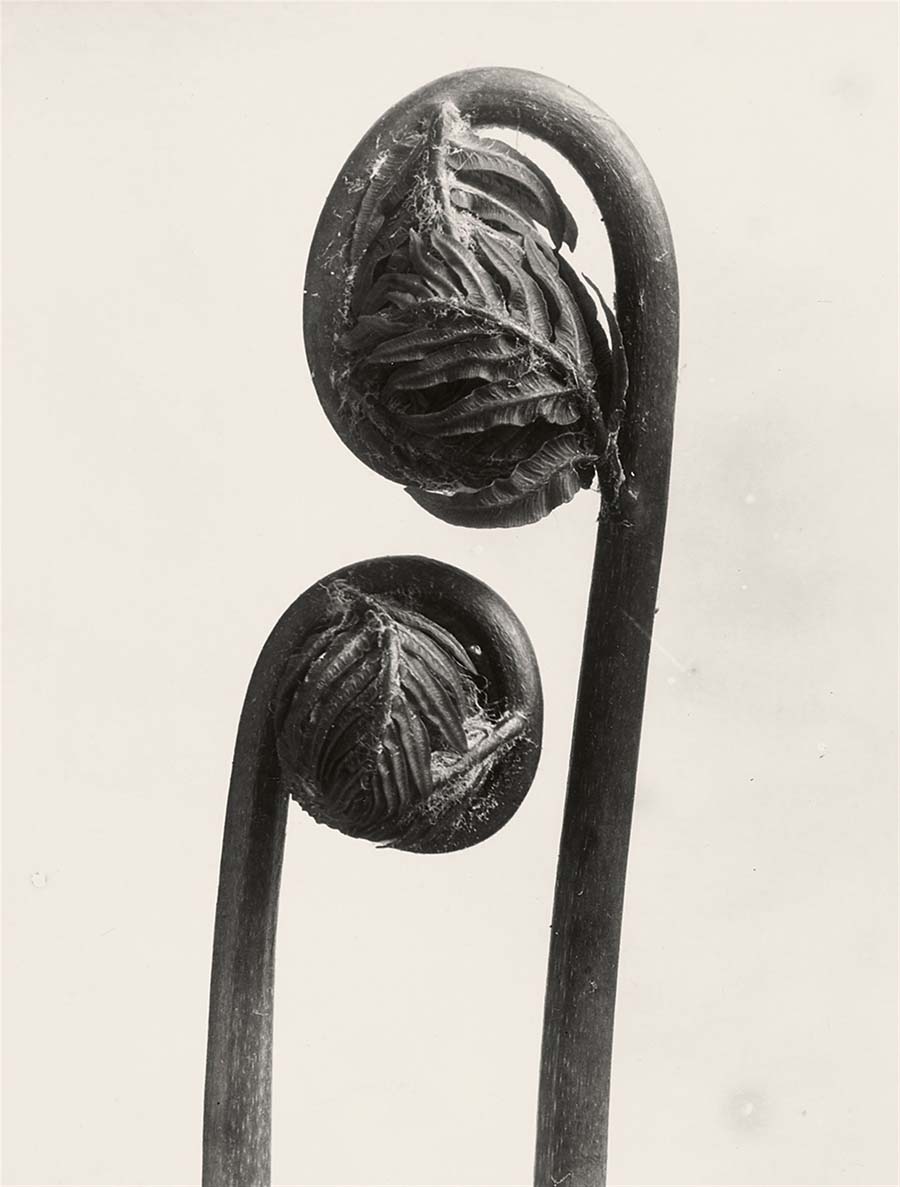
Some of his photos

You might also like