(Kolín, 17 de marzo de 1896 – Praga, 15 de septiembre de 1976)
 Josef Sudek was a Czech photographer. His work is framed between pictorialism and the new objectivity. He is the best-known Czech photographer of the 20th century.
He was born in Kolín, in the Bohemia region, during the Austro-Hungarian Empire. When he was three years old his father, who was a decorative painter, died and at fourteen, after studying at the Kutná Hora Trade School, he went to Prague to study bookbinding. In 1913 he began to take a liking to photography.
During World War I he served in the military and in 1917 he suffered an amputation of his right arm due to a grenade on the Udine battlefield. He studied photography between 1922 and 1923 at the Prague School of Graphic Arts with Jaromír Funke, with whom he held discussions on the influence of artistic trends on photography. For several years he devoted himself to making portraits of disabled veterans of the war.
In the beginning, he made his photographs in a pictorial style. In 1924 he became a co-founder member of the Czech Photography Society (Ceská fotografická) alongside Jaromír Funke and Adolf Schneeberger. During 1926 he made a trip through Italy and Yugoslavia. In 1927 he opened his own photographic studio on Újezd Street in Prague.
In 1936, he abandoned pictorialism and adopted positions that were closer to the new objectivity. In 1956 his first autonomous monograph was published and in 1959 he is the first photographer to receive the title of Artist of Merit in the Czech Republic. His legacy is made up of more than 60,000 negatives.
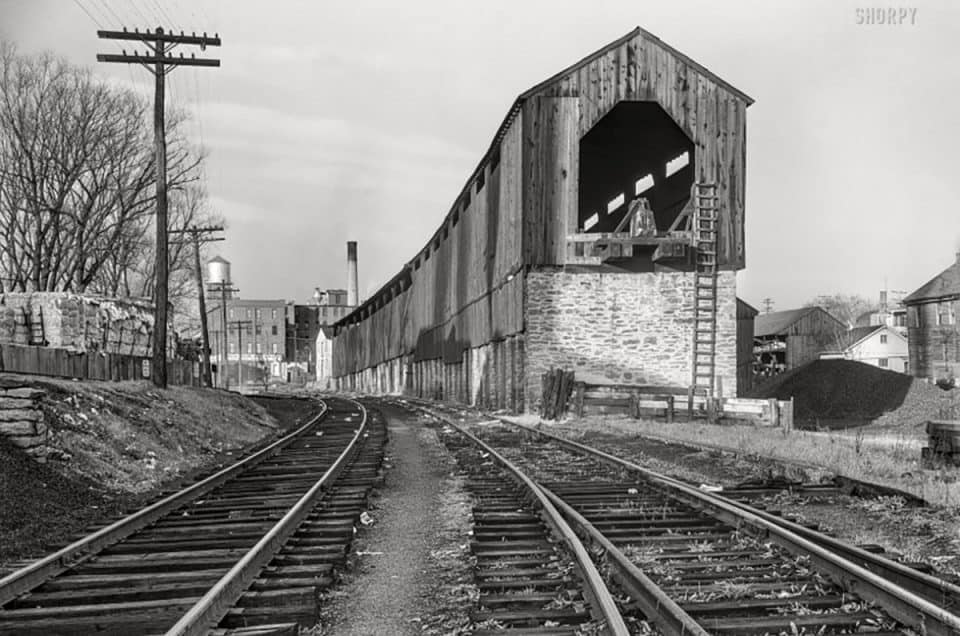
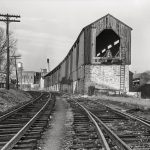
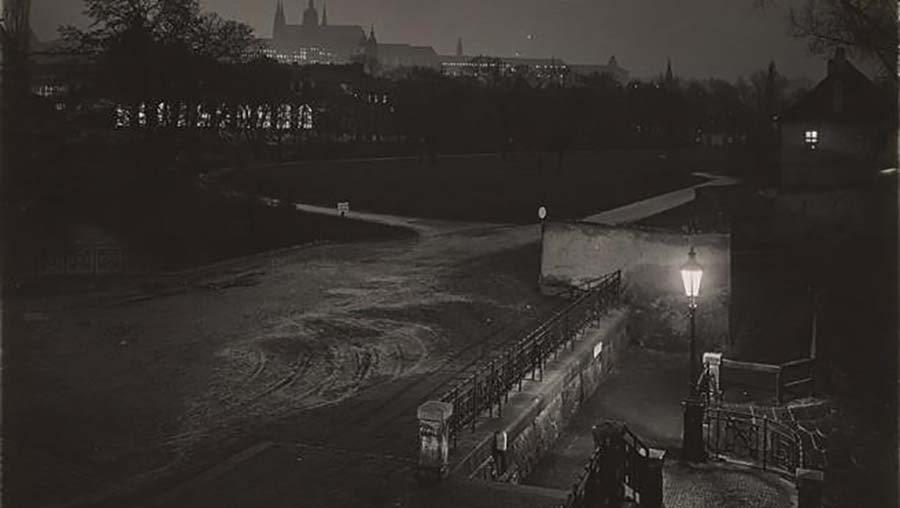
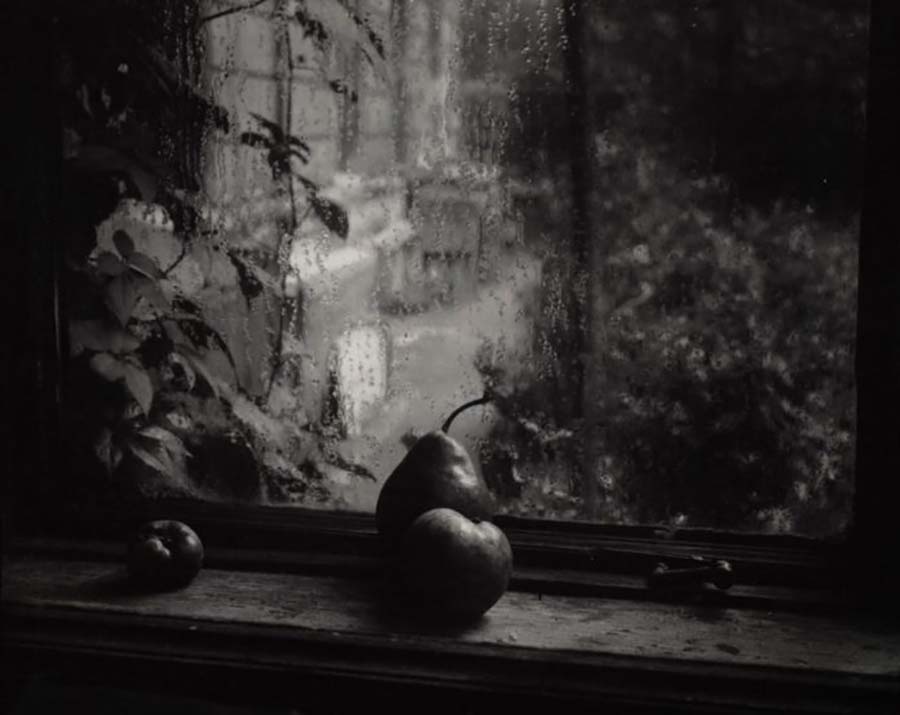
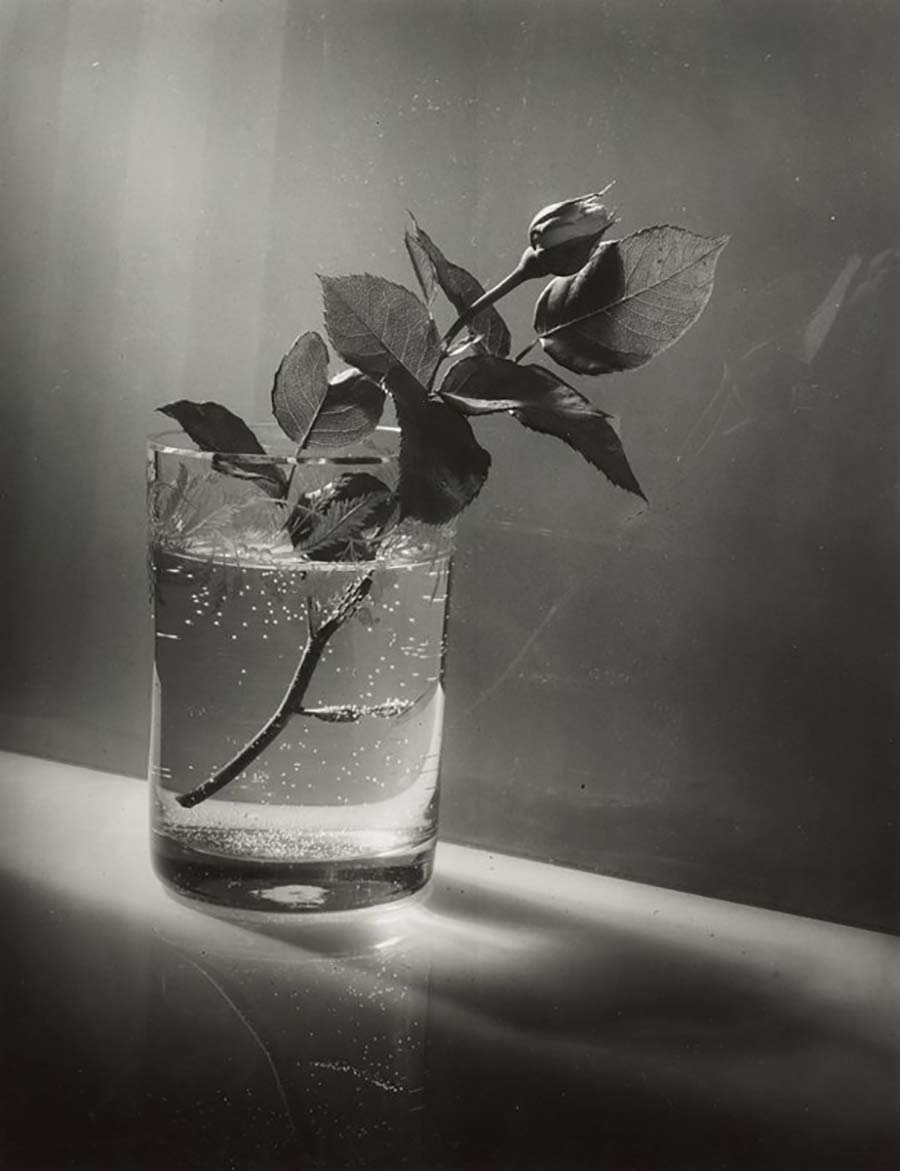
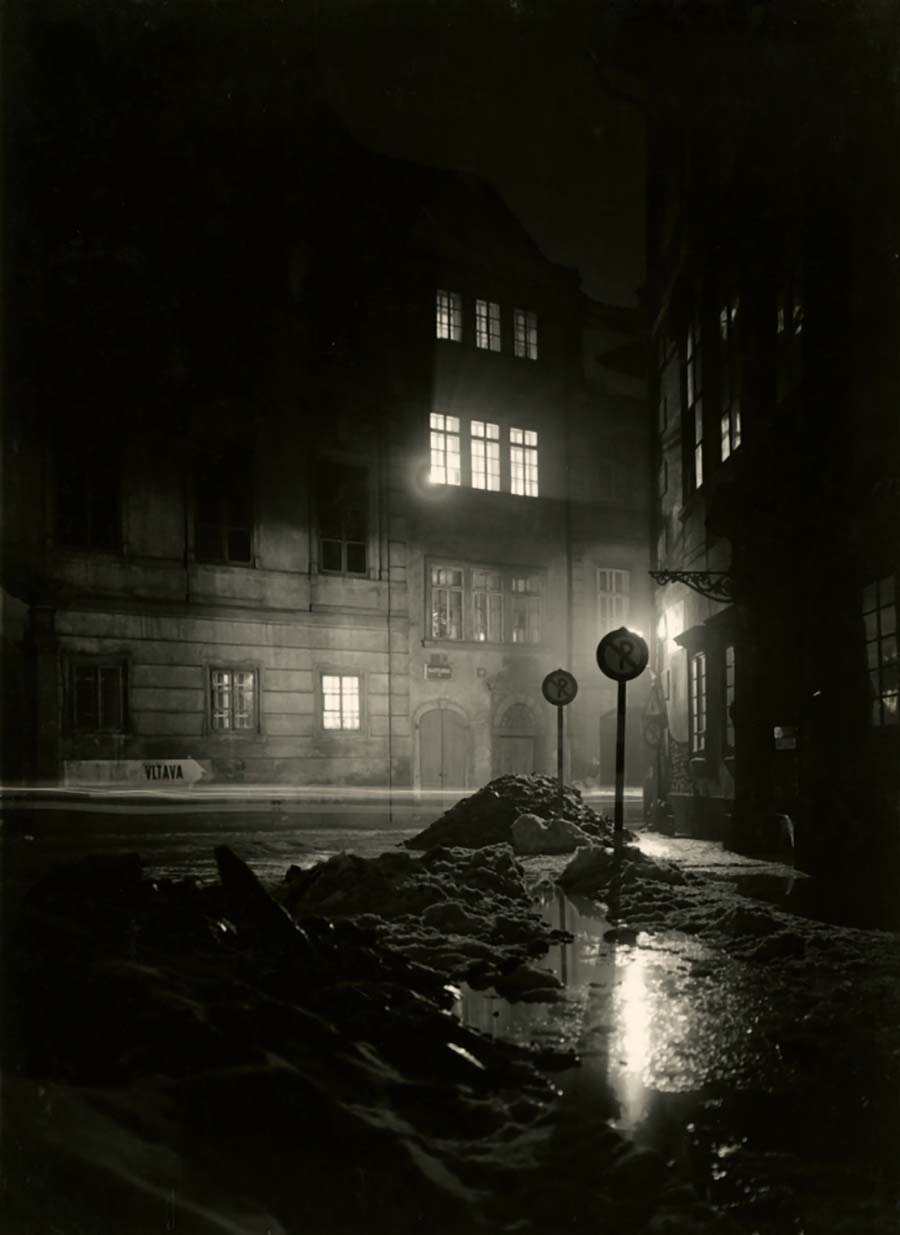
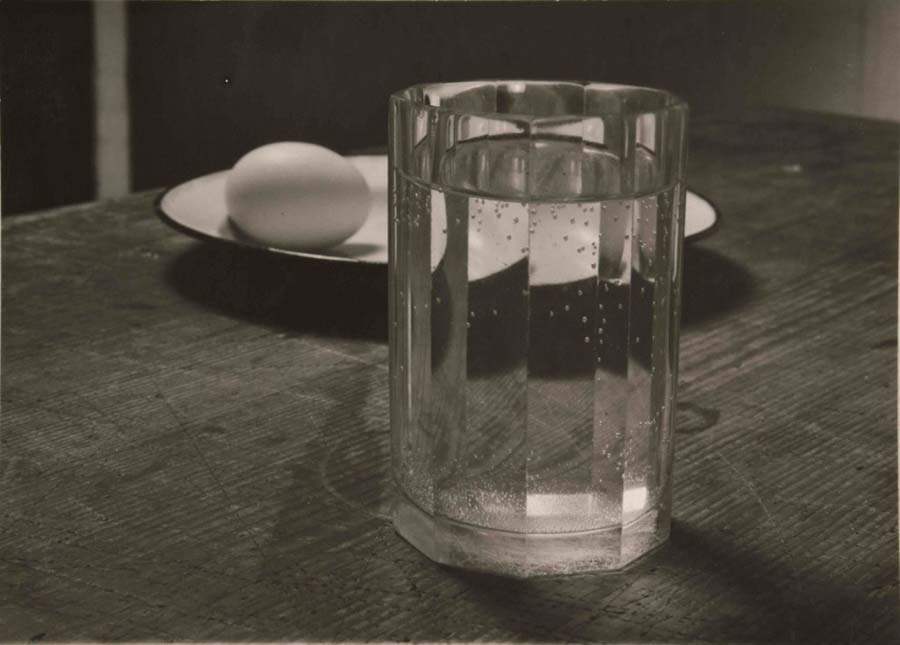
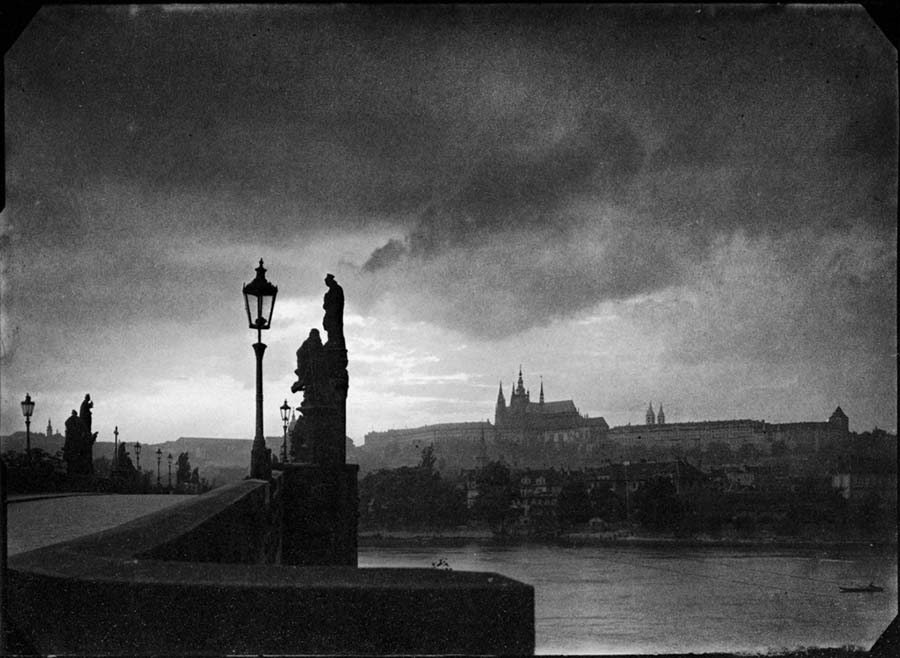
Some of his photos

You might also like