(septembe3, 13. 1939, Brooklyn, NYC, USA)
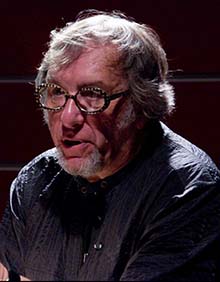 Joel-Peter Witkin He is an American photographer. Born to a Jewish father and a Catholic mother, his parents divorced when he was young due to their irreconcilable religious differences. He has a twin brother named Jerome Witkin, who is a painter. He worked as a war photographer between 1961 and 1964 in the Vietnam War. In 1967 he decided to work as a freelance photographer and became the official photographer for City Walls Inc. He later studied sculpture at the Cooper School Of Fine Arts in Brooklyn where he earned an arts degree in 1974. After Columbia University awarded him a Scholarship completed his studies at the University of New Mexico at Albuquerque where he earned his Master of Fine Arts.
According to Witkin himself, his particular vision and sensitivity come from an episode he witnessed as a child, a car accident in which a girl was decapitated. He also cites difficulties in his family as an influence. His favorite artist and great influence is Giotto.
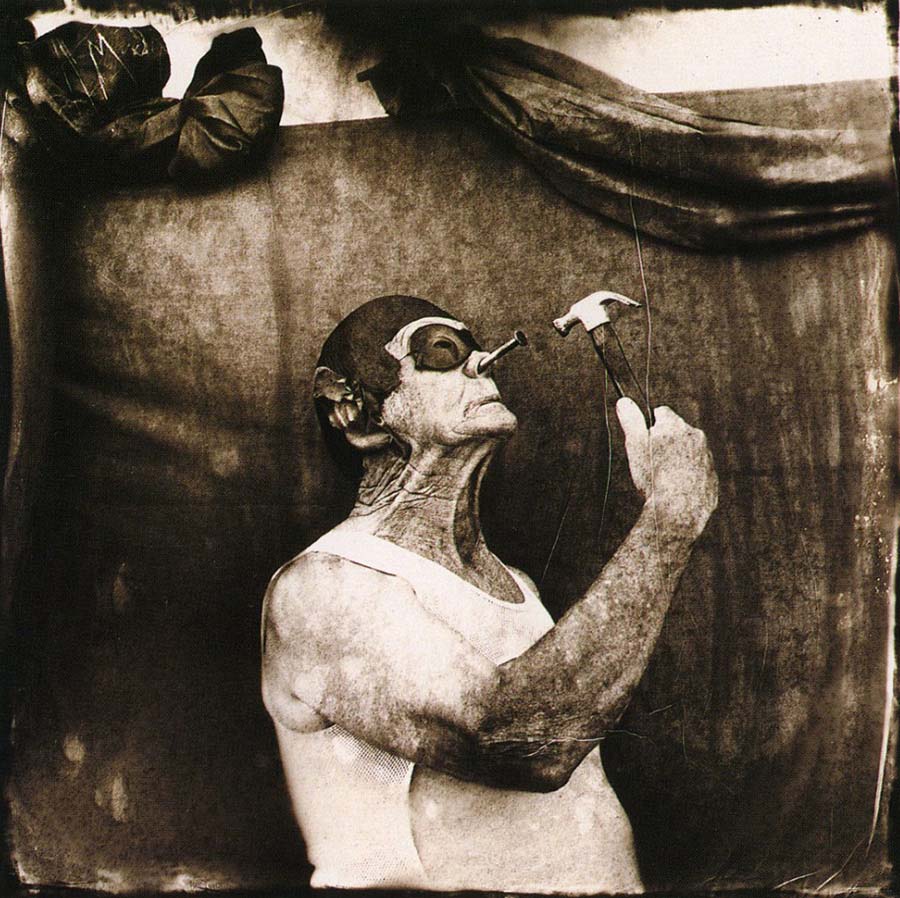
His photos often involve subjects and things such as death, sex, corpses (or parts of them) and people like dwarfs, transsexuals, hermaphrodites, or people with physical deformations. Its complex tableauxs often evoke biblical passages or famous paintings. This transgressive nature of his art has repeatedly dismayed public opinion and has caused him to be accused of being an exploiter and has been marginalized as an artist on several occasions.
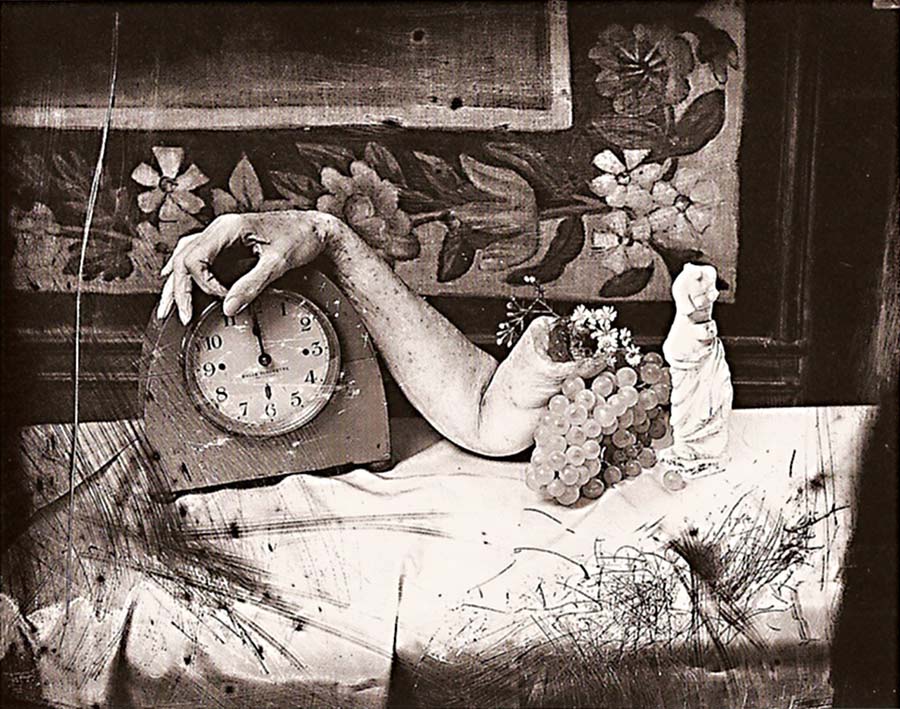
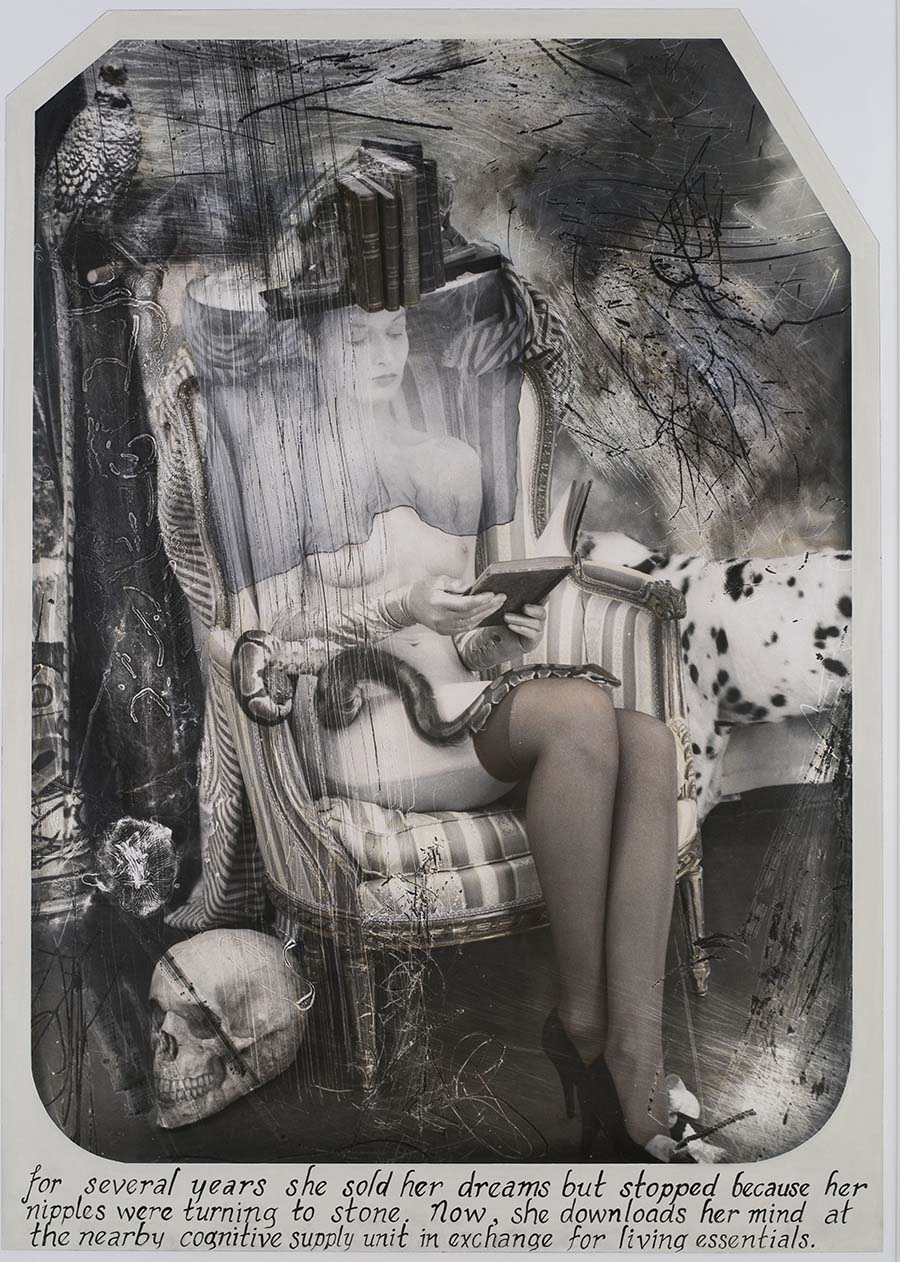
His approach to the physical process of photography is highly intuitive which includes smearing or scratching the negative and a chemical hands-on printing technique. This experimentation began after seeing a 19th century ambrotype of a woman and her lover who had been ripped off.
“My work shows that my career is appropriate for a carefree and loving person.”
While the Pop Art of intellectuals devoured their work, according to an excellent trend, Lacan / Foucault was inspired to end postmodern criticism, and Witkin in his search for the divine did not touch the Christian Coalition at all. At a listed price of $ 20,000, the NEA guarantees that Witkin received it in 1992, and the NEA negatively highlights Witkin’s print “The Testicle.”
Some fans celebrate Witkin’s abilities to make the ugly beautiful, and to defend his work as an outburst to the snub of the man class to confront and embrace the objective. But others such as Keith Seward collaborator of the Art forum in 1993 affirms that Witkin: generally pretends to see himself as “lover of the unloved, of the damaged, of the outcast”, and such unconditional acceptance, generally characterizes his work: as it was Saint Francis of Assisi, by drinking pus from the leper, in order to overcome his repulsion to them.
Witkin is not a snooper, a scout, or a lender, but a person who says yes to anything questionable, even to the terrible. Why at Witkin’s bizarre banquet would you like to say yes to death, the dismembered, or any other matter? It’s a certain kind of liking for an extreme form of multiple bodybuilding, of respect for what is strange to you, or more terrifying.
In 1995, Germano Celant, curator of Contemporary Art at the Guggenheim Museum in New York, and having Witkin his retrospective, explains the importance of the photographer as follows: The first polishes the deformed, but the fundamental and terrifying must be light. In this way, Witkin works with Arbus and Robert Mapplethorpe, to ensure that the notion of cruelty is no longer hostile but is transformed into a cognitive nucleus, purified of its dark and negative connotations.
Despite the controversies and despite the fact that Witkin’s photographs, they reached the art world at the time when photography work was rarely allowed the responsibility of “much of it.” Witkin’s prints insinuated their trajectories as a permanent collection in the most up-to-date museums in the world, being others, the National Library of Paris, the Mo Ma of San Francisco, the Stedelijk Museum in Amsterdam, the Mo Ma of New York, the Whitney.
Links
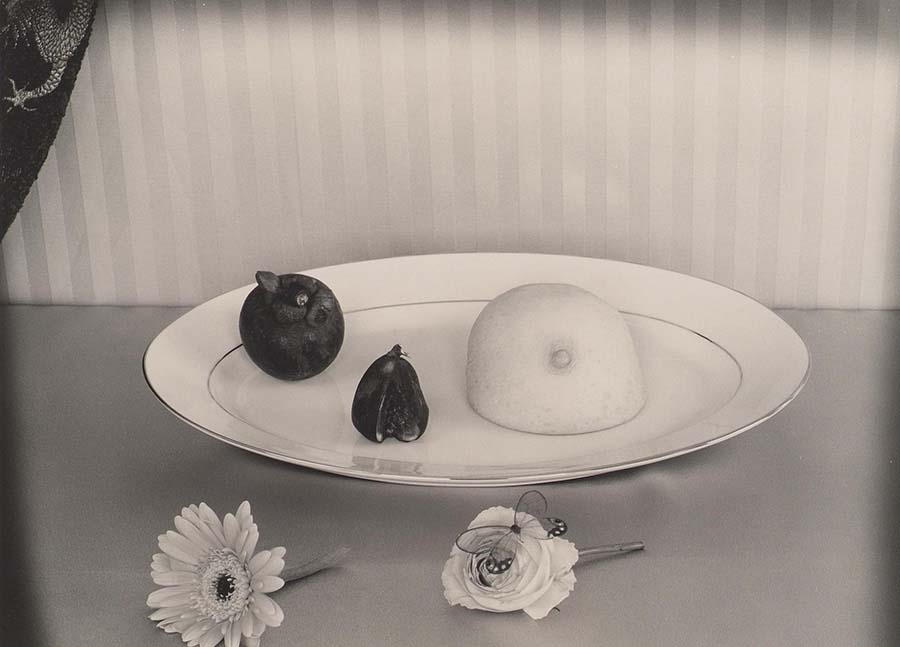
Some of his Photos


You might also like