(December, 30, 1918, Wichita, USA- October, 15, 1978, Tucson, Arizona)
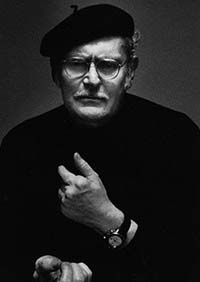 William Eugene Smith was an American photojournalist, was born in Wichita, Kansas in 1918 and died in Tucson Arizona, in 1978.
Smith graduated from the North High School of Wichita in 1936. He began his career making photographs for two local newspapers, “The Eagle” and “The Beacon.” He moved to New York and started working for Newsweek and began to be known for his incessant perfectionism and personality. Eugene Smith left Newsweek for refusing to use medium format cameras, joining Life magazine in 1939. He soon resigned from his position in Life magazine and was wounded in 1942 while simulating a fight for Parade magazine.
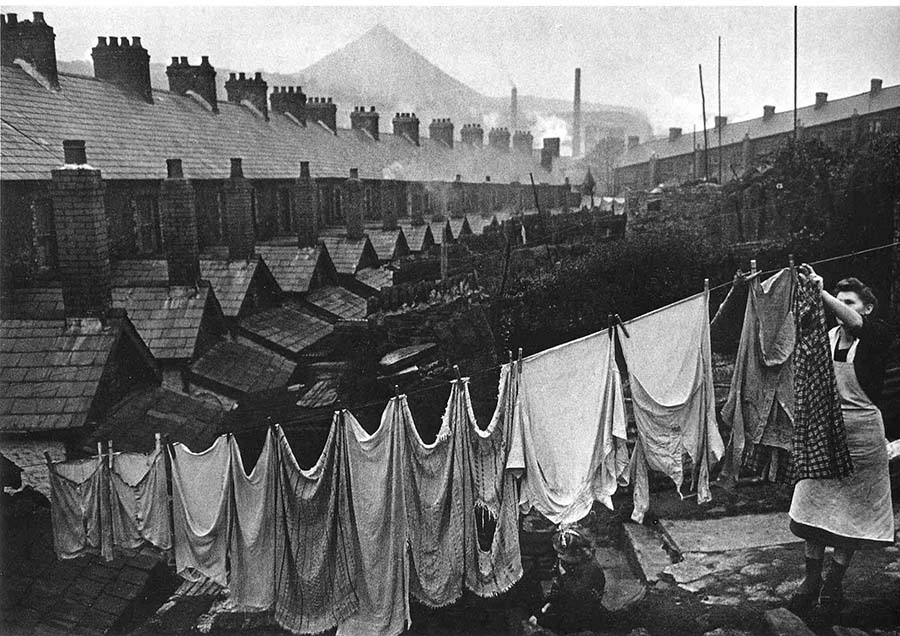
He worked as a correspondent for the Ziff-Davis publication, and again for Life magazine; Smith photographed World War II from the borders of the US islands, taking photographs of the US offensive against Japan and taking pictures of US Marines and Japanese prisoners of war in Saipan, Guam, Iwo Jima and Okinawa. In Okinawa, Smith was wounded by a mortar. Once recovered, and deeply disillusioned of the photography of war Smith continued his work in Life and perfected the photographic essay, from 1947 to 1954. In 1950, he traveled to the United Kingdom to cover the general elections, in which Clement Attlee emerged victorious. , of the Labor Party. The Life magazine editorial was against a Labor government, but Smith’s essays on Attlee were very positive. Finally, a limited number of Smith’s photographs of the British working class were published in Life. In the 50s he joined the Magnum Agency.
Smith became separated from Life because the magazine had used his photos on Albert Schweitzer. He started a documentary project about Pittsburgh, where he deepens his work methodology of deep involvement with the object of his documentation. The project on Pittsburgh, commissioned by the Magnum Agency, had to be done in 3 weeks and Smith extended it for a year, without ever being satisfied with the results and the selection that finally publishes Magnum. The disputes that Smith maintains with the photographic editors with whom he has to work are well known, and he is the first photographer to open the discussion on the importance of the participation of the author of the photographs in the final edition, regarding the selection processes of the photos that are finally published, their order and layout on the page, as well as the texts and epigraphs that accompany them. He also published a series of books of his photographic essays, in which Smith sought to have the authentic control over the process of editing the photographs of the book, coming to have a great reputation as an incoformist. He died in 1978 due to drug and alcohol abuse.
Currently, the William Eugene Smith Foundation promotes “humanistic photography”, which since 1980 has awarded photographers committed to this field.
Links
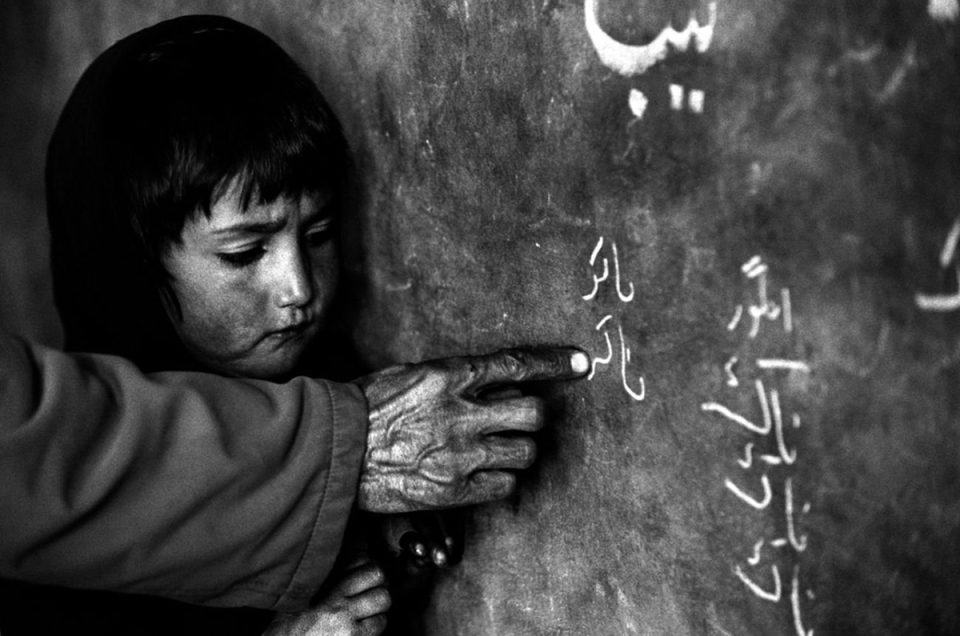
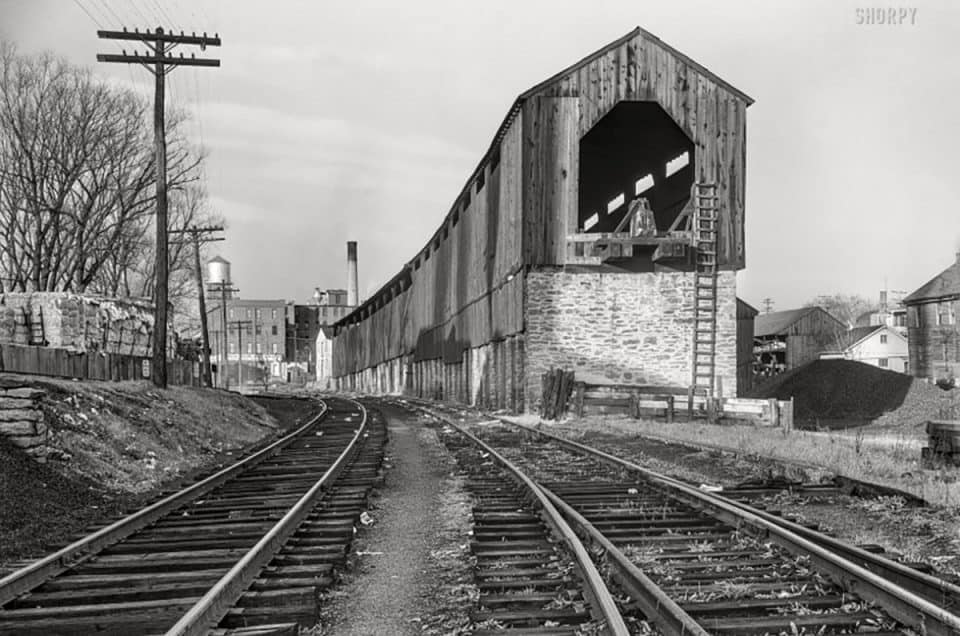
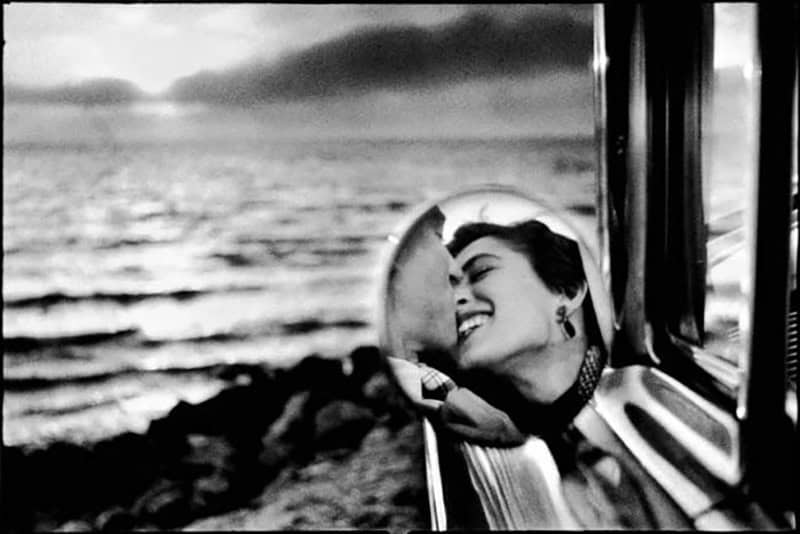
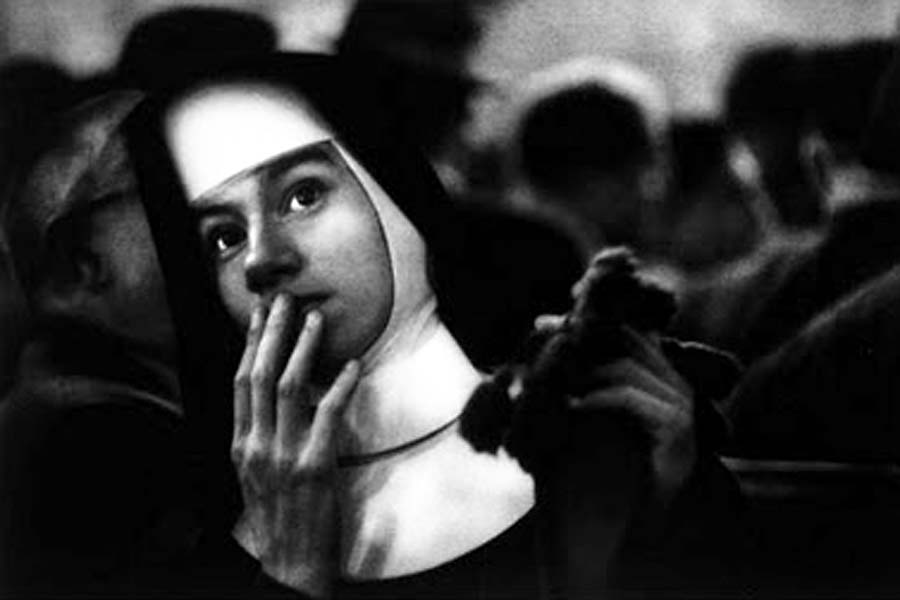
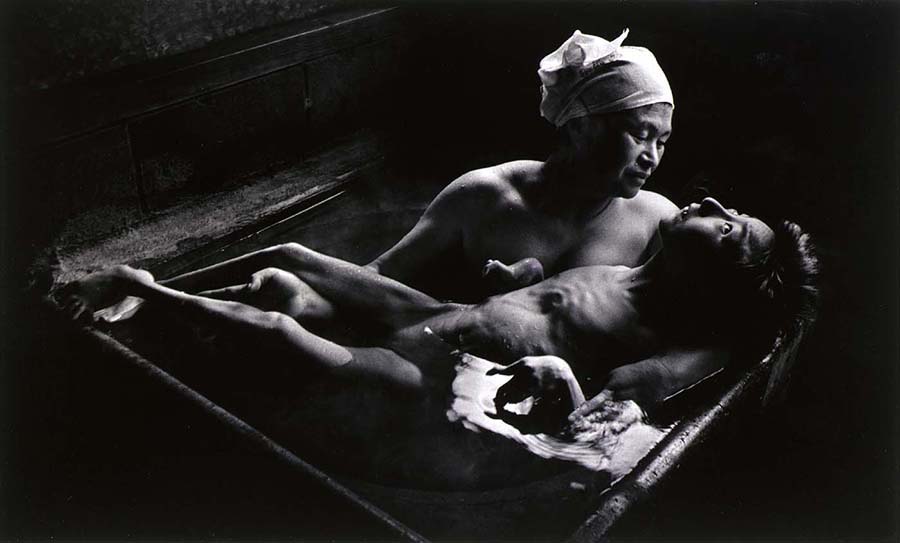
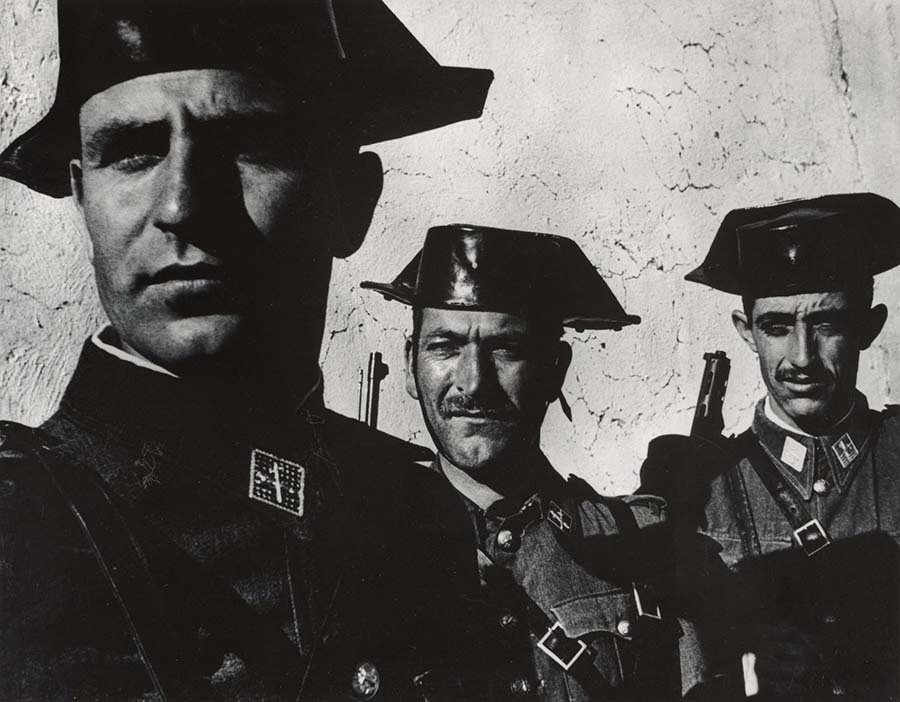
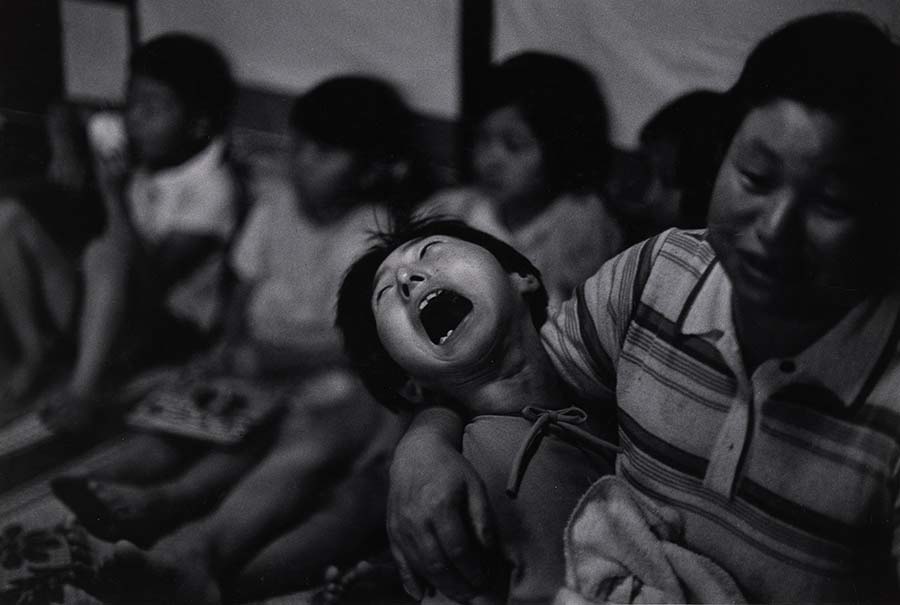
Some of his photos:

You might also like