(1895, Hoboken, USA – 1965, San Francisco, USA)
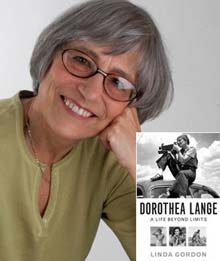 Dorothea was an influential documentary photojournalist, best known for his work the “Great Depression” for the office of Agricultural Security Administration. Lange’s humanistic photographs of the terrible consequences of the Great Depression made her one of the leading journalists in global photojournalism.
She took off her middle name (Margarette) and adopted her mother’s maiden name, Lange. In 1902, at the age of 7 years, he suffered polio and as usual at the time, children with this disease received treatment late, which made it grow with a weak constitution and deformations in the feet, which does not it would impede his future career.
She studied photography in New York as a student of Clarence H. White and informally participated as an apprentice in numerous of his photographic studies as that of the famous Arnold Genthe. In 1918 he moved to San Francisco, where he opened a successful studio. He lived in Berkeley Bay for the rest of his life. In 1920 he married the remarkable painter Maynard Dixon, with whom he had two children: Daniel, born in 1925, and John, born in 1928.
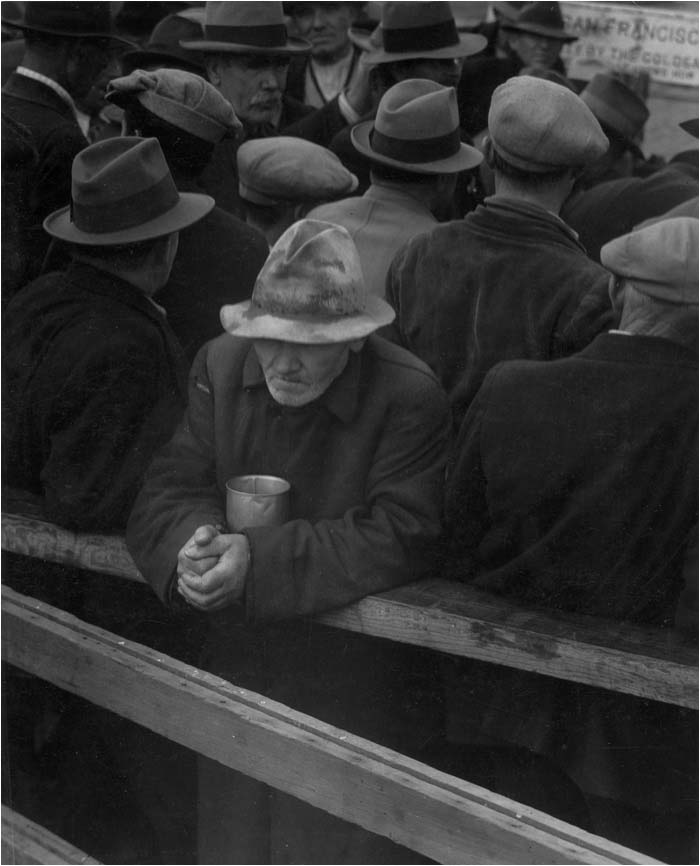
With the onset of the Great Depression, Lange turned the lens of his studio cameras to the streets. His studies of unemployed and homeless people soon captured the attention of local photographers and led them to be hired by the federal administration, later called the “Farm Security Administration”.
In December 1935 he divorced Dixon and married the agrarian economist Paul Schuster Taylor, professor of economics at the University of California. Taylor trains Lange on social and economic issues, and together they make a documentary on rural poverty and the exploitation of immigrant farmers and workers for the next six years. Taylor did the interviews and collected the financial information, and Lange took the photos.
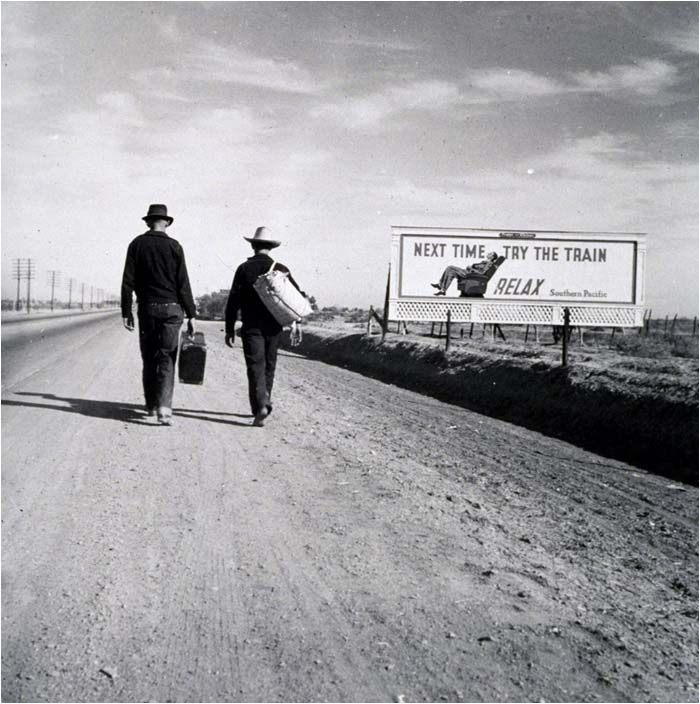
Between 1935 and 1939 Lange worked for official departments, always putting in their photos the poor and marginal, especially peasants, displaced families and immigrants. Distributed at no cost to national newspapers, their photos became icons of the era.
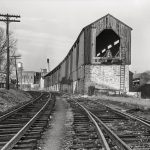
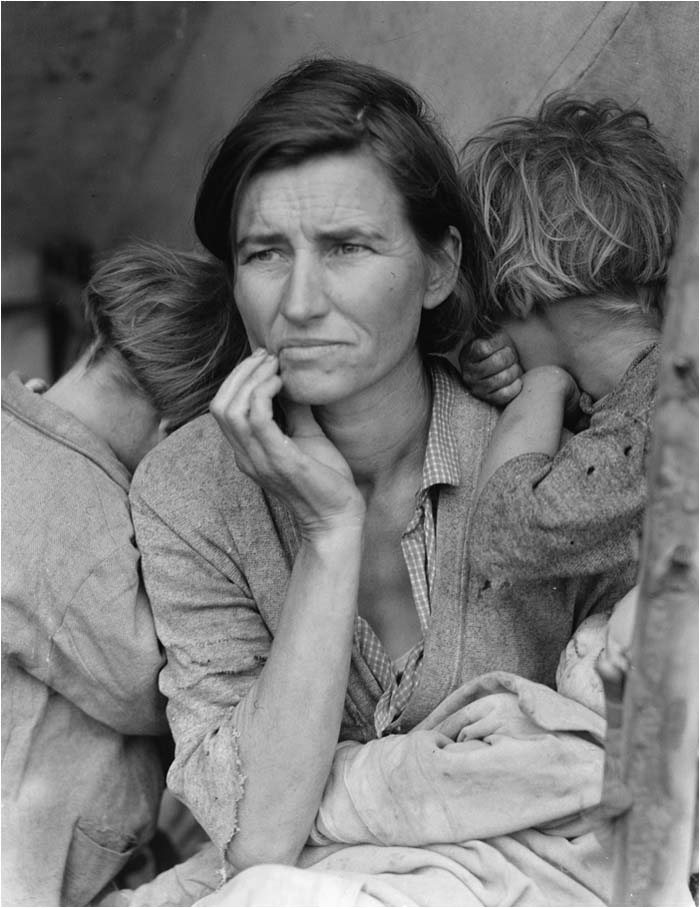
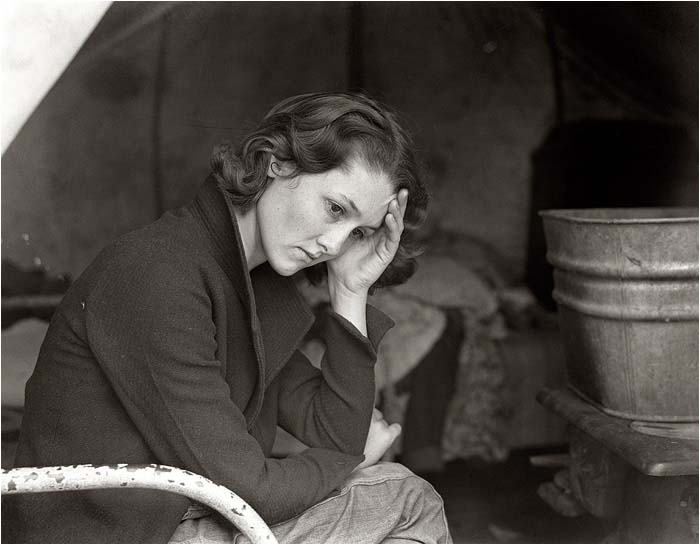
Some of her Photos

You might also like