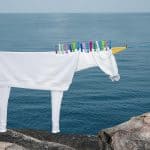
( 1958, Madrid, Spain )
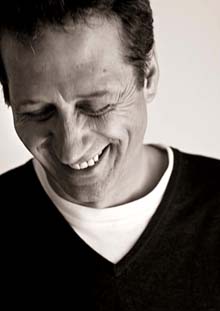 José María Rodríguez Madoz was born in Madrid in 1958. Between the years 1980 and 1983 he studied Art History at the Complutense University of Madrid, which he simultaneously studied with photography at the Center for the Teaching of Image. The Royal Photographic Society of Madrid exhibits the first individual exhibition of the author in 1985. In 1988 the Sala Minerva of the Círculo de Bellas Artes (Madrid) inaugurates its photography program with an exhibition of his works. Two years later, in 1990, he began to develop the concept of objects, a constant theme in his photography to date. In 1991 the Museo Nacional Centro de Arte Reina Sofía shows the exhibition “Four directions: contemporary Spanish photography” that will tour various countries. Some photographs of Madoz are part of this exhibition. That same year he received the Kodak Prize. In 1993 he received the Artistic Creation Exchange from the Banesto Cultural Foundation.
The Editorial Art-Plus of Madrid published in 1995 its first monograph: the book Chema Madoz (1985 – 1995). Three years later it is the Editorial Mestizo, A.C., from Murcia who publishes a volume for the artist, the book entitled “Mixtos – Chema Madoz”.
In 1999 the Galician Center for Contemporary Art in Santiago de Compostela shows the individual exhibition of works carried out between 1996 and 1997. At the end of that year, the Museo Nacional Centro de Arte Reina Sofía dedicated the individual exhibition “Objetos 1990 – 1999”, which is configured as the first retrospective exhibition that this museum dedicates to a living Spanish photographer.
In 2000 the photographer from Madrid received the National Photography Prize of Spain. That same year, the Houston Fotofest Biennial recognized him as “Outstanding Author”. His work transcends our borders, reaching not only the North American city but also the Chateau d´Eau de Toulouse (France). That year he received the Higashikawa Prize in Japan.
About photography, The technique
“It interests me as soon as it allows me to access the results I want. Then somehow you have to forget it, not keep it in mind.”
The cameras
“I started working with a 35mm reflex, an Olympus that I had for 4 years until I bought a Nikon F3. Then I bought a Bronica to get started in medium format. I had previously owned a 6 x 6 cm Mamiya camera. Two objectives, which worked well, had a bellows that allowed macro but it was very difficult to work with it because when you got closer you did not see what you were photographing.I finally decided to buy a Hasselblad, which is the one I have been working with for ten years.”
The light
“Practically all my photographs are taken with natural light. I think that your use of light is evolving, even if it is still natural light. You know how to get more out of it. I only introduce some artificial light in cases where I have photographed a lamp like part of the object or to give a special touch to some detail. “
The Studio
“The studio is something that I have had for relatively recently. It was really more for the comfort of being able to work on several photo projects at the same time. In my first series I worked on the street, then I started working more with objects and photographing them in some corner of my house with natural light from a window. You see a relationship between the means at my disposal and the types of photos I built. Working in the studio I have noticed a lot that having a large workshop space allows me to move faster and comfortable. I can have several ideas going and refine them. “
Photographer or sculptor
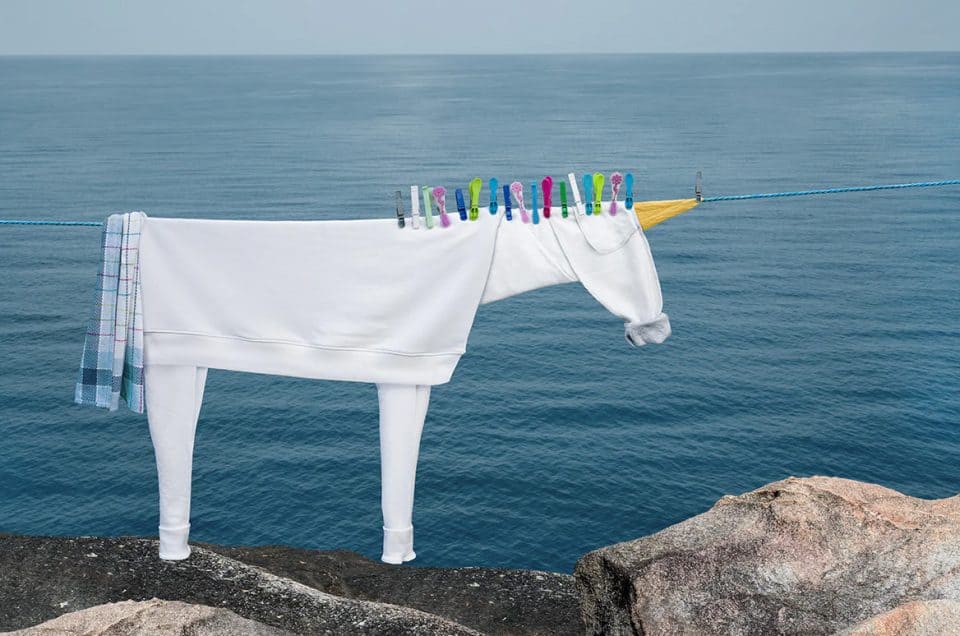
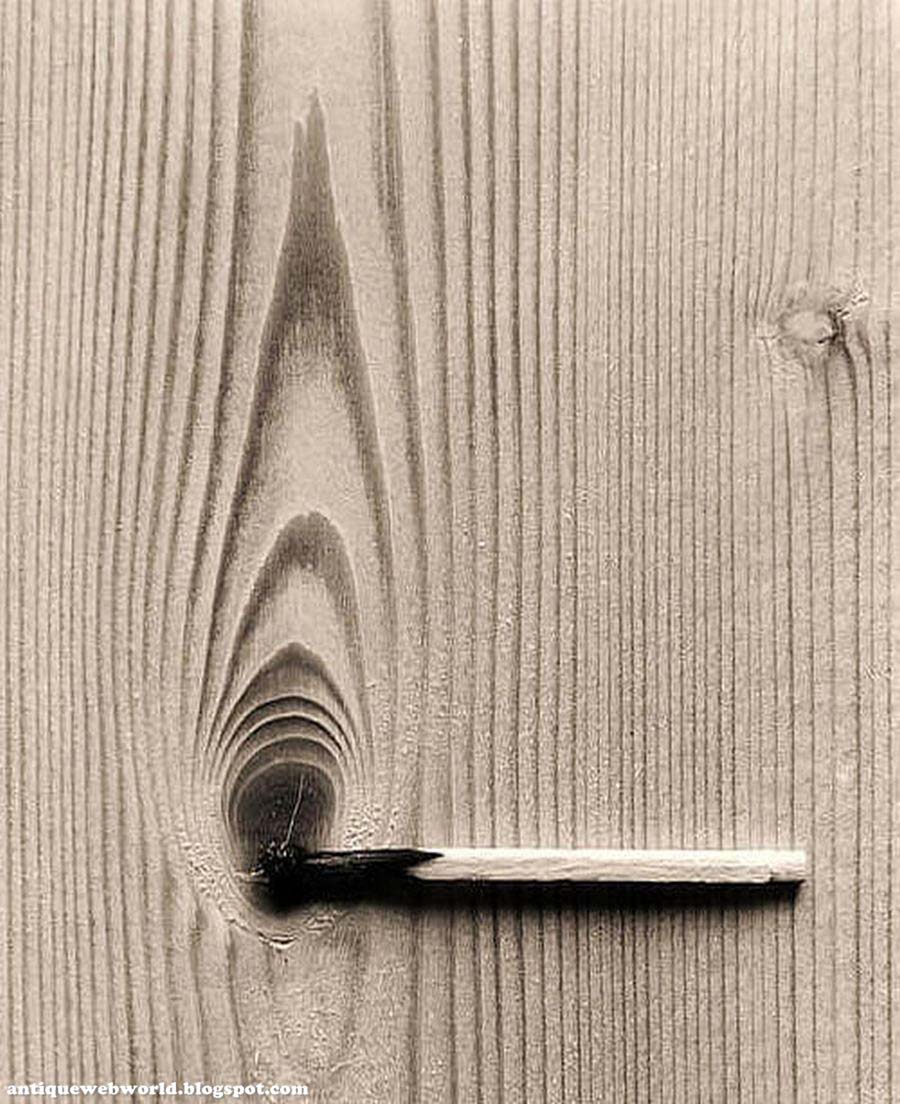
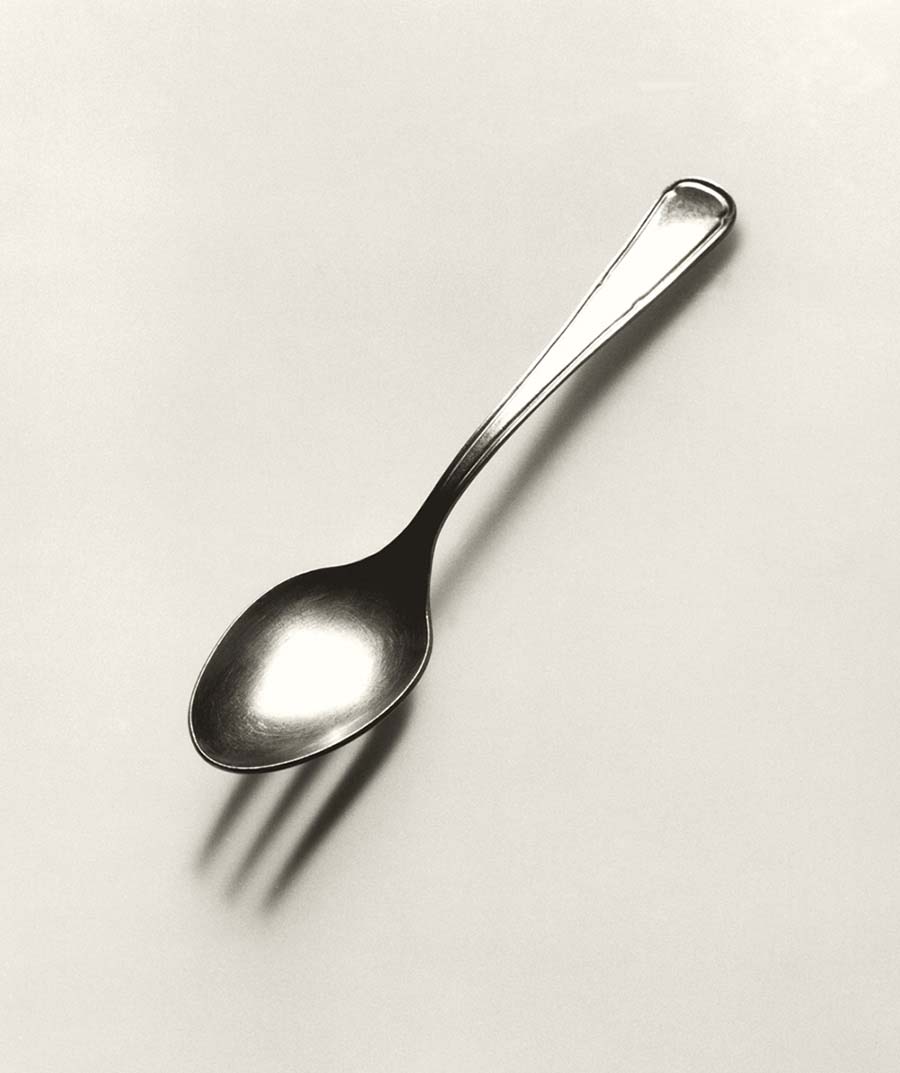
“I still consider myself a photographer. The construction of most of my objects is badly resolved … Well, I mean, I mean they are built to be photographed. They have no packaging, no presence when you physically see them. There is no finish wonderful, only one aspect of them that you are going to photograph is what works. Taken out of that context they work on rare occasions. The opposite has also happened to me: an object that is very attractive and that does not work when photographed. , the normal is just the opposite case. “
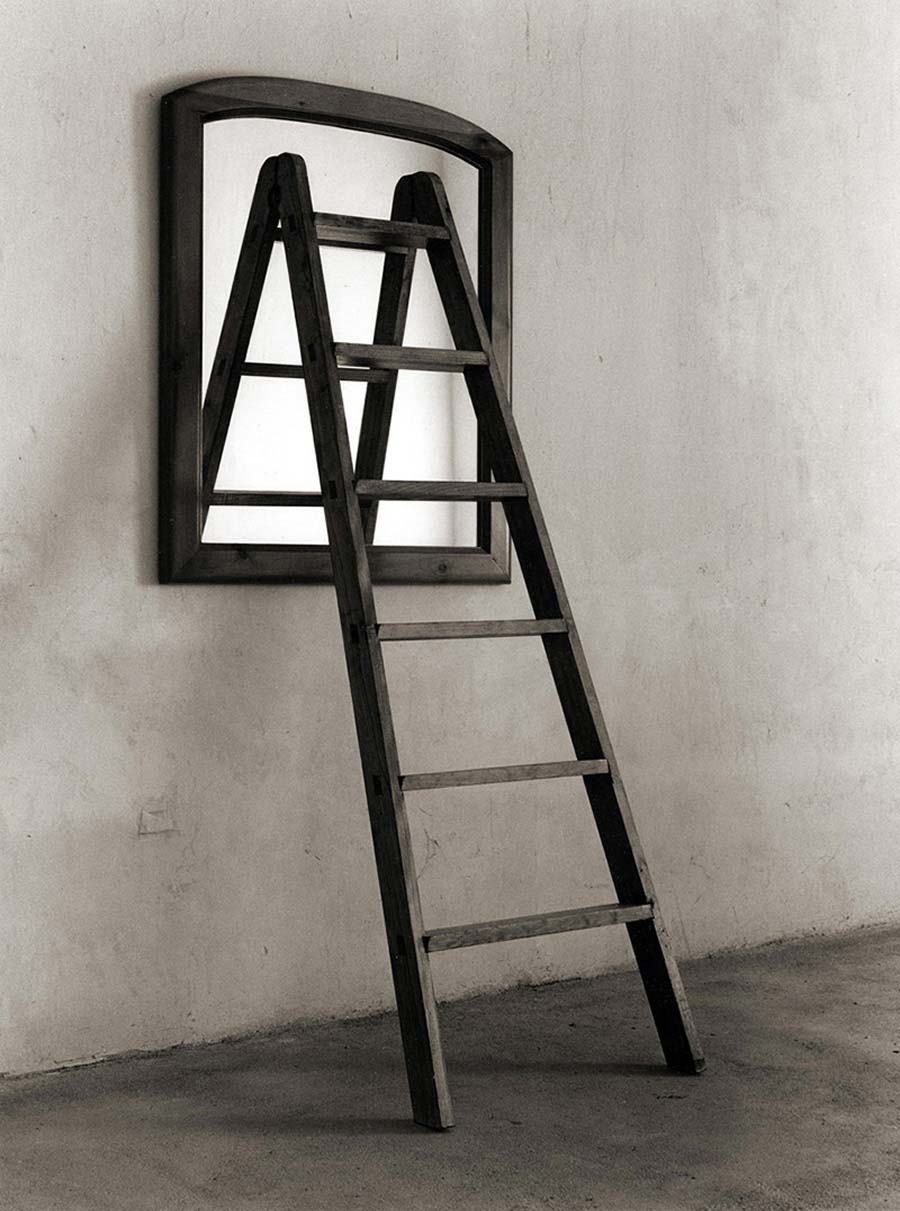
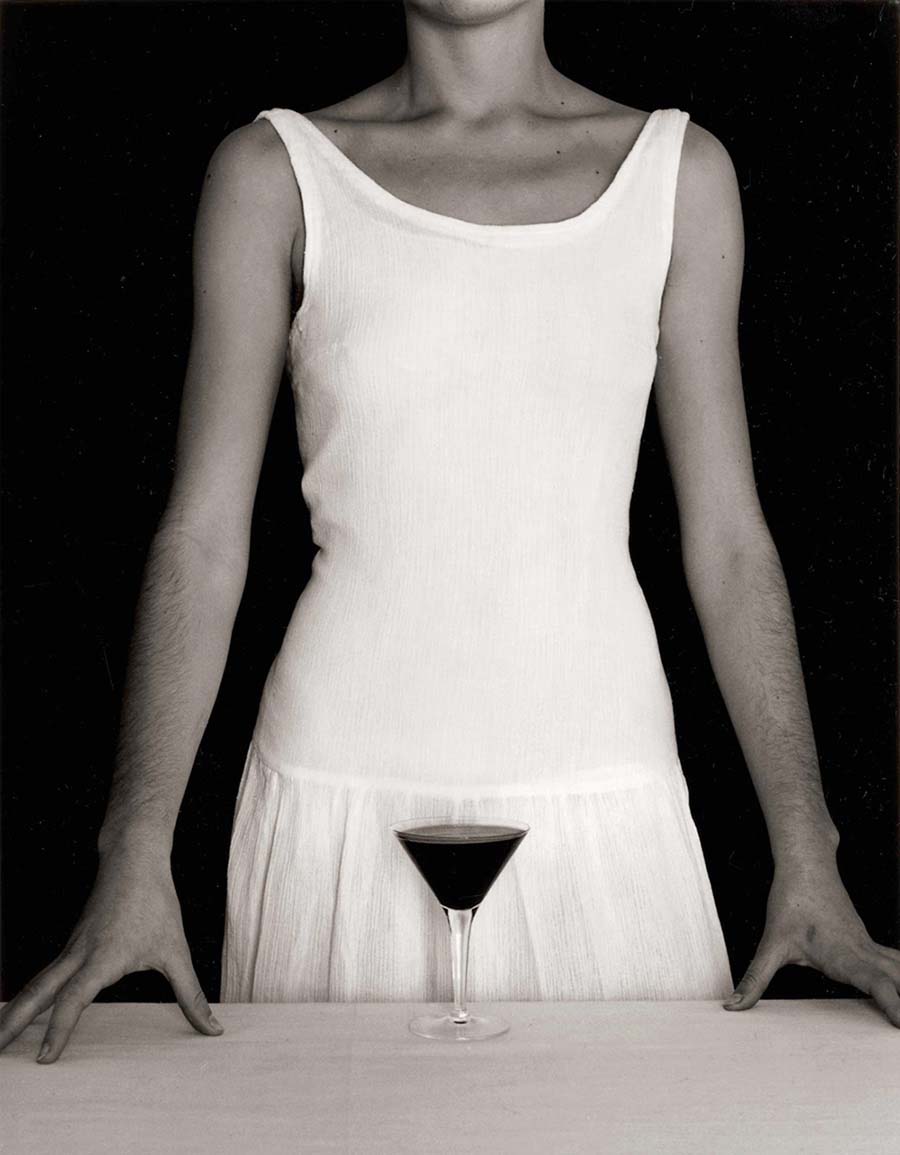
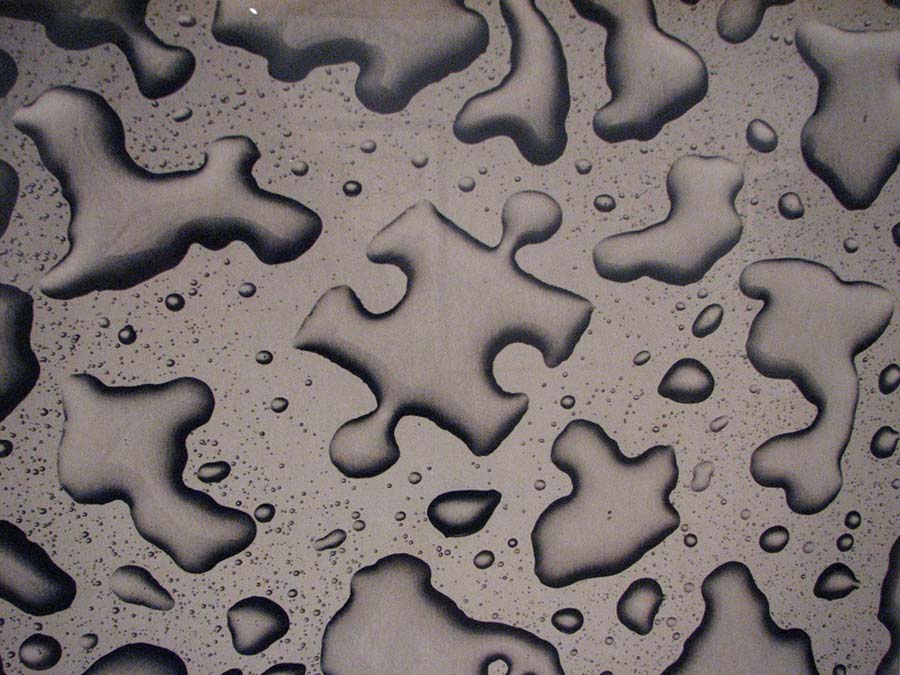
Some of his Photos

You might also like