(New York, 1918 – 2006)

Arnold Abner Newman was an American photographer well known for his portraits of artists.
He was born in Manhattan but spent his childhood in Atlantic City and then studied art at the University of Miami, but had to interrupt for financial reasons.2 In 1939 he began working in Philadelphia for a chain of photographic studios that made quick portraits of a low price.
The first exhibition of his photographs was made, along with Ben Rose, at the “AD Gallery” in New York in 1941, and was also supported by Alfred Stieglitz and Beaumont Newhall.3 Soon after, he moved again to Florida where he mounted a studio and between 1942 and 1945 made portraits of contemporary artists, in 1946 he moved to New York where he opened his studio.
He began to collaborate in various magazines such as Harper’s Bazaar and Fortune.4 In August 1947 he began his collaboration with Life with his first cover of a total of 24 that he made throughout his life.1 Other publications he collaborated with were New York Times, “Portfolio” or “Werbung”.
From his first exhibition at the “A.D. Gallery” in New York in 1942, he made numerous samples of his work. Among them are “In and Out of Focus” from 1949 at the MOMA, “Arnold Newman: Five Decades” from 1986 at the Pori Art Museum in Finland and at the Museum of Photographic Arts of San Diego, “5 X 5” 1988 at the Museum of Contemporary Art in Caracas, “Camera Portraits” of 1989 at the National Portrait Gallery, “Arnold Newman’s Gift: 60 Years of Photography” of 1999 at the International Center of Photography, “Beverly Hills 1962 – Marilyn Monroe by Arnold Newman “of 2006 at the Hartmann Gallery in Barcelona, in addition to the retrospective exhibition” Masterclass “that runs since 2012 in different countries such as Germany, Holland and the United States.
He has received numerous awards, including a prize at the Photokina in 1951, a gold medal at the Venice Biennale in 1963, an award for a lifetime of work by the American Society of magazine photographers in 1975 or Master of Photography of the Infinity Awards of 1999. The University of Miami made him Doctor Honoris Causa in 1981. After his death, because of a heart attack, an important part of his legacy was acquired by the Center “Harry Ransom Humanities Research” of the University of Texas in Austin.
Environmental portrait
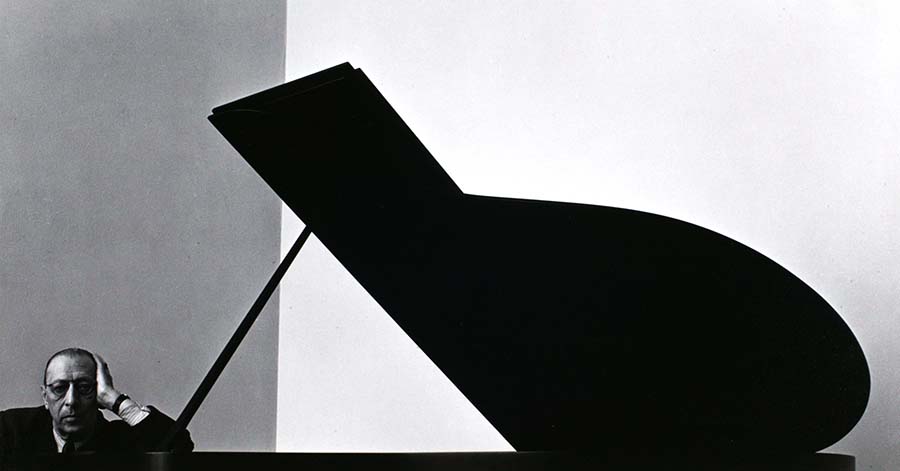
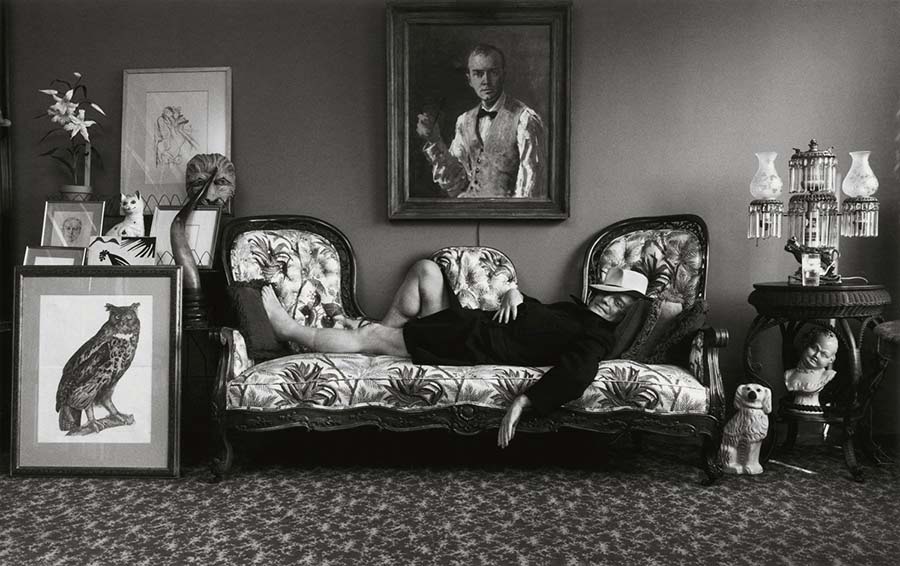
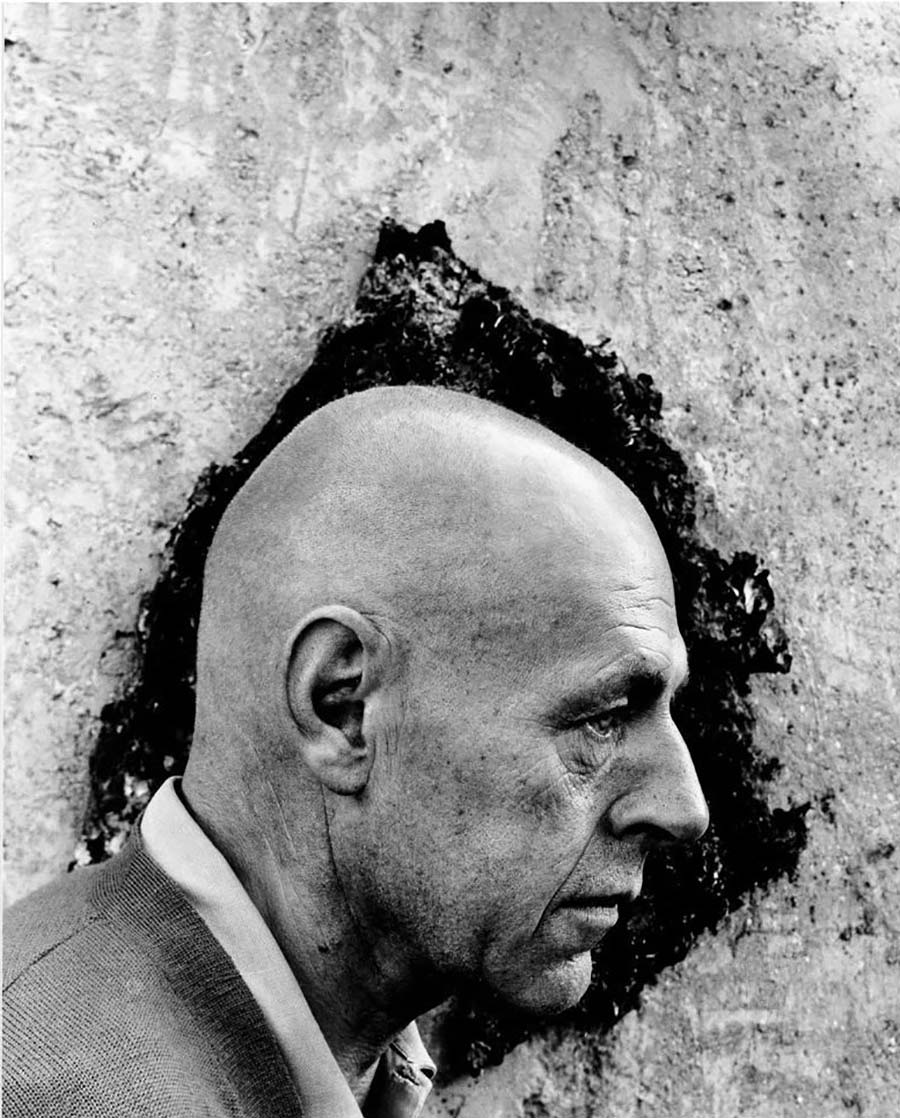
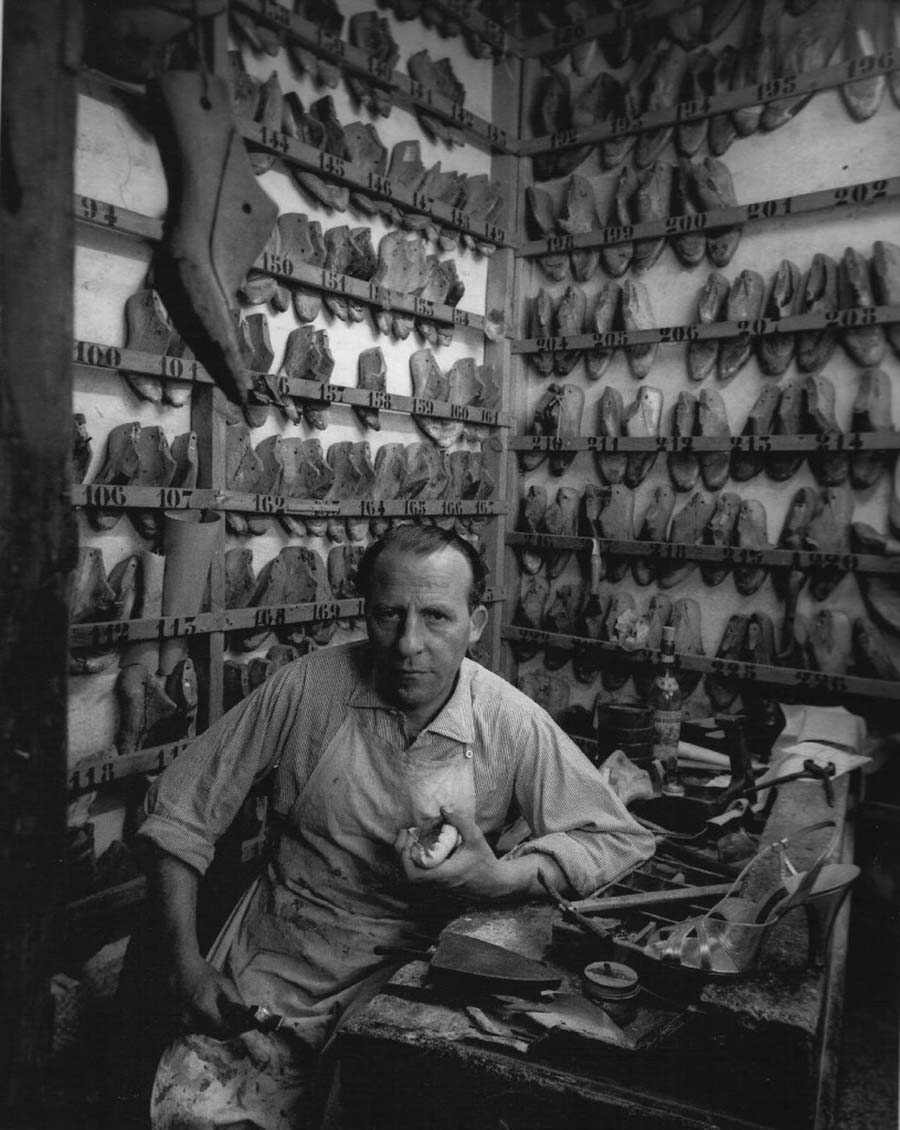
Although he made all kinds of photographs, it was the portraits that gave him the most relevance. A feature of his portraits is the use of elements or objects that are related to the interests or profession of the photographed character.5 Thus, in a portrait by Igor Stravinsky, the image is almost totally occupied by a grand piano or by a drawing in the case of Salvador Dalí.6 His style has been known as “environmental portrait” and Newman began to profile it in the 1942 portraits of George Grosz and Yasuo Kuniyoshi. Newman himself recognizes the influence in his work of the photographers of the program of the Agricultural Security Administration (Farm Security Administration) and in particular of Walker Evans. In his portraits he presents a careful composition, he uses formal perspectives and endows them with a certain psychological depth.
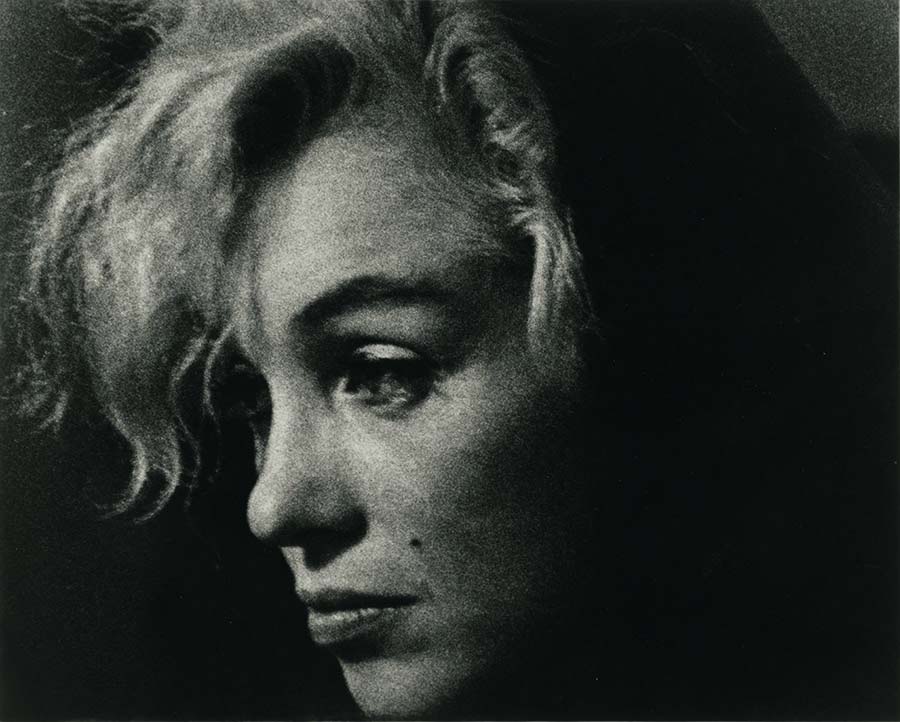
He made portraits to a large number of artists and famous people, among them are: Marcel Duchamp and Piet Mondrian with portraits of 1942, Igor Stravinski which is one of his most famous portraits and he did it in 1946, Dwight D. Eisenhower of 1950, Salvador Dalí in 1951, Pablo Picasso in 1954, Haile Selassie in 1958, Bob Moses in 1959, Marilyn Monroe in 1962, Alfred Krupp in 1963, Francisco Franco in 1964, Henry Miller in 1976, Truman Capote in 1977, Ronald Reagan in 1981, Paul Auster in 1993 or Woody Allen in 1996. When I made a portrait I made a series of shots on a contact sheet where I finally selected one or several of them.
Links
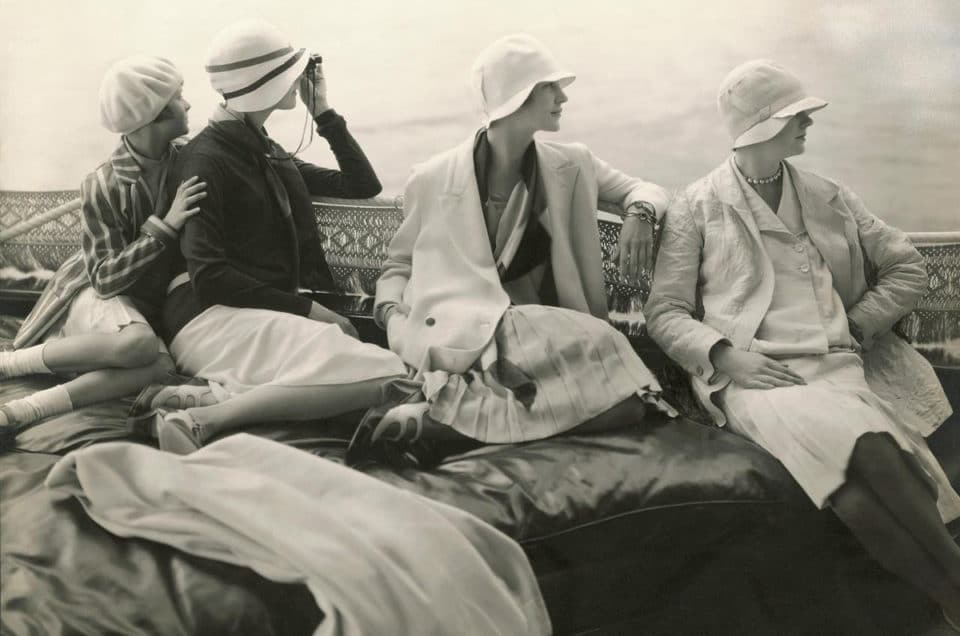
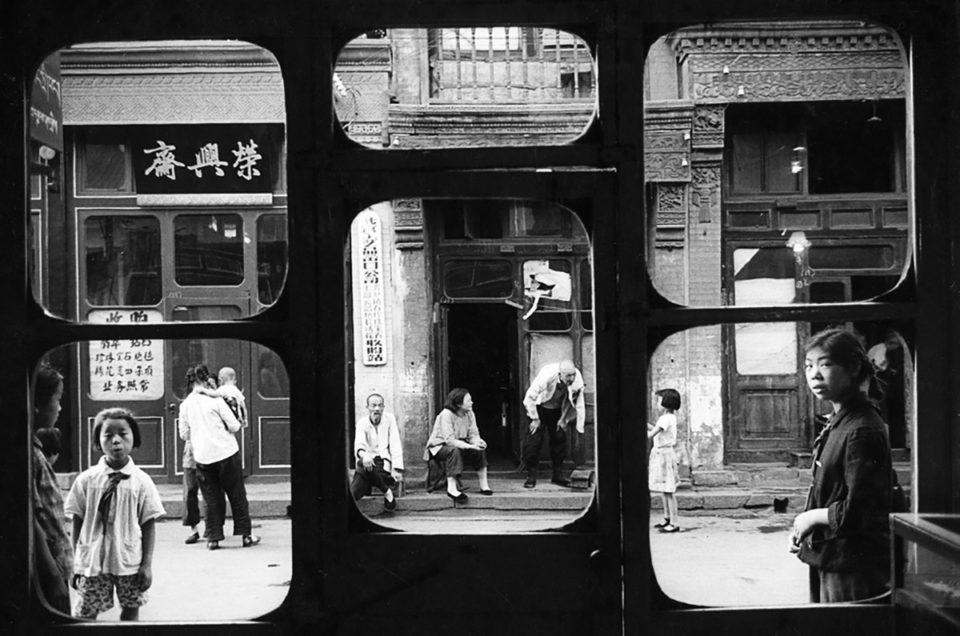
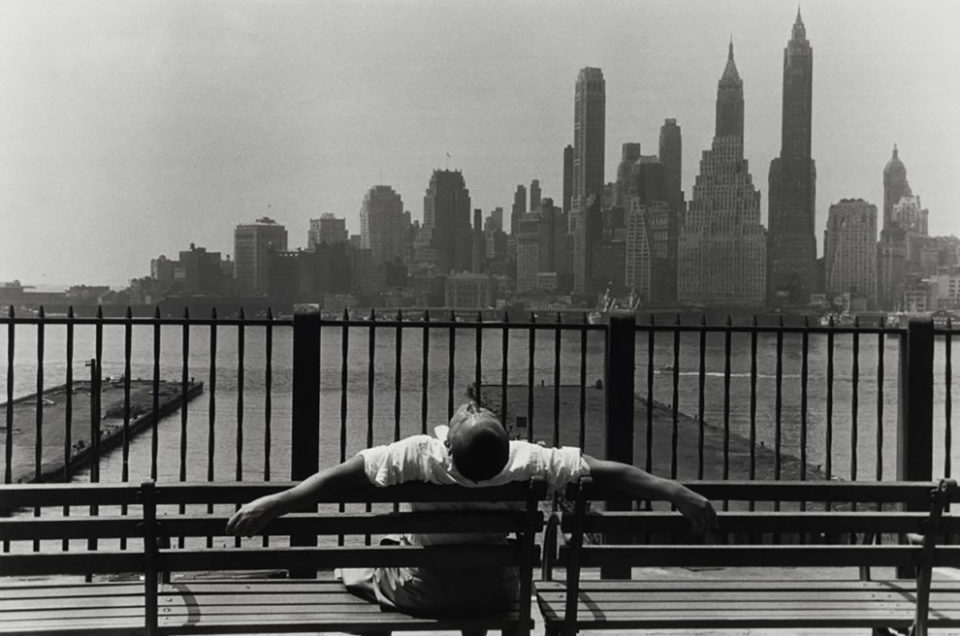
Some of his photos:

You might also like