(April, 12, 1883, Portland, Oregon, USA – June, 24, 1976, San Francisco, California, USA)
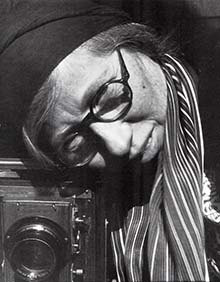 Imogen Cunningham began her work in photography in 1901 as a student at the Washington University of Photographic Chemistry. It was inspired by internationally known pictorial photographer Gertrude Käsebier .
During her college years she worked in Edward Sheriff Curtis’ photo studio, where she learned the technique of platinotyping and retouching negatives.
In 1909 he received a scholarship to study at the Dresden High School under the tutelage of Robert Luther, where he carried out a comparative study between the different methods of platinotype. During her stay in Europe, she visited Alvin Langdon Coburn and Alfred Stieglitz who again inspired her.
In 1910, after his return to the United States, he opened his own studio in Seattle and quickly gained recognition for his portraits and pictorial work. Her first portraits were commissions from high society figures, which shows the prestige that the artist was forging within the local community. At the same time, he established strong ties with the artistic world of the time and, under the influence of Gertrude Käsebier, created most of his exquisite pictorialist images.
In 1917, after marrying the artist and printmaker Roi Partridge, he moved to California, where his two children were born. In these years of motherhood, Cunningham did not stop photographing his closest environment while keeping abreast of new trends in art and photography through magazines such as Camera Work or Vanity Fair. In 1932, together with Ansel Adams, John Paul Edwards, Sonya Noskowiak, Henry Swift, Willard van Dyke and Edward Weston founds the f/64 group.
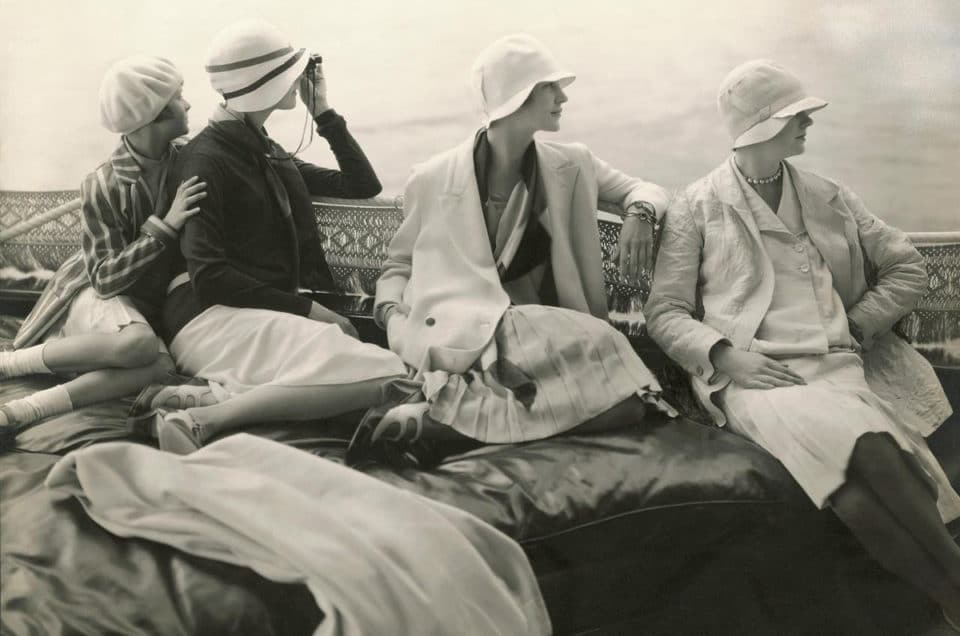
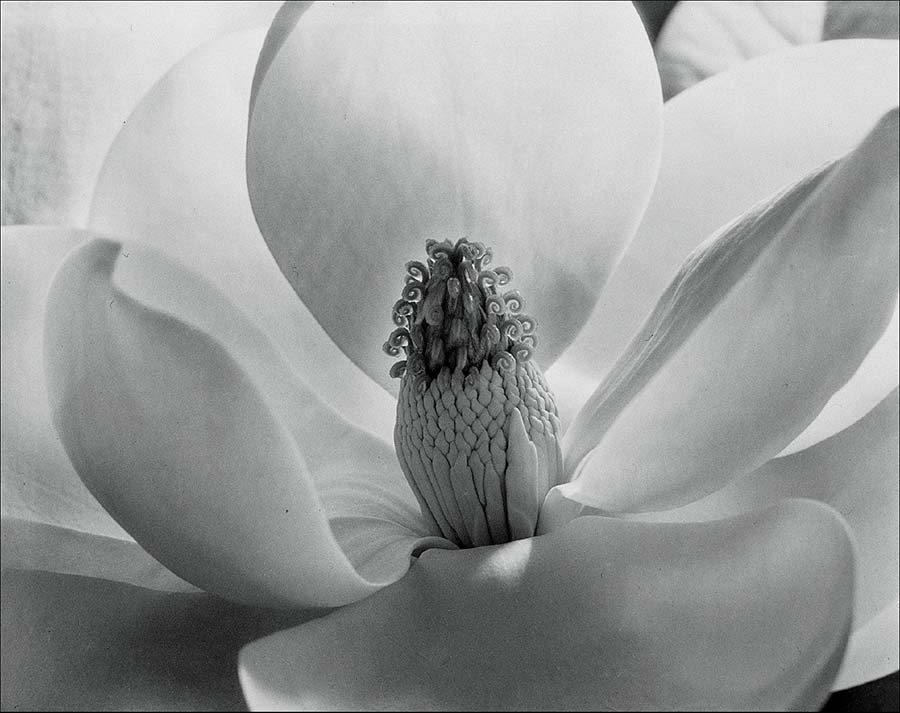
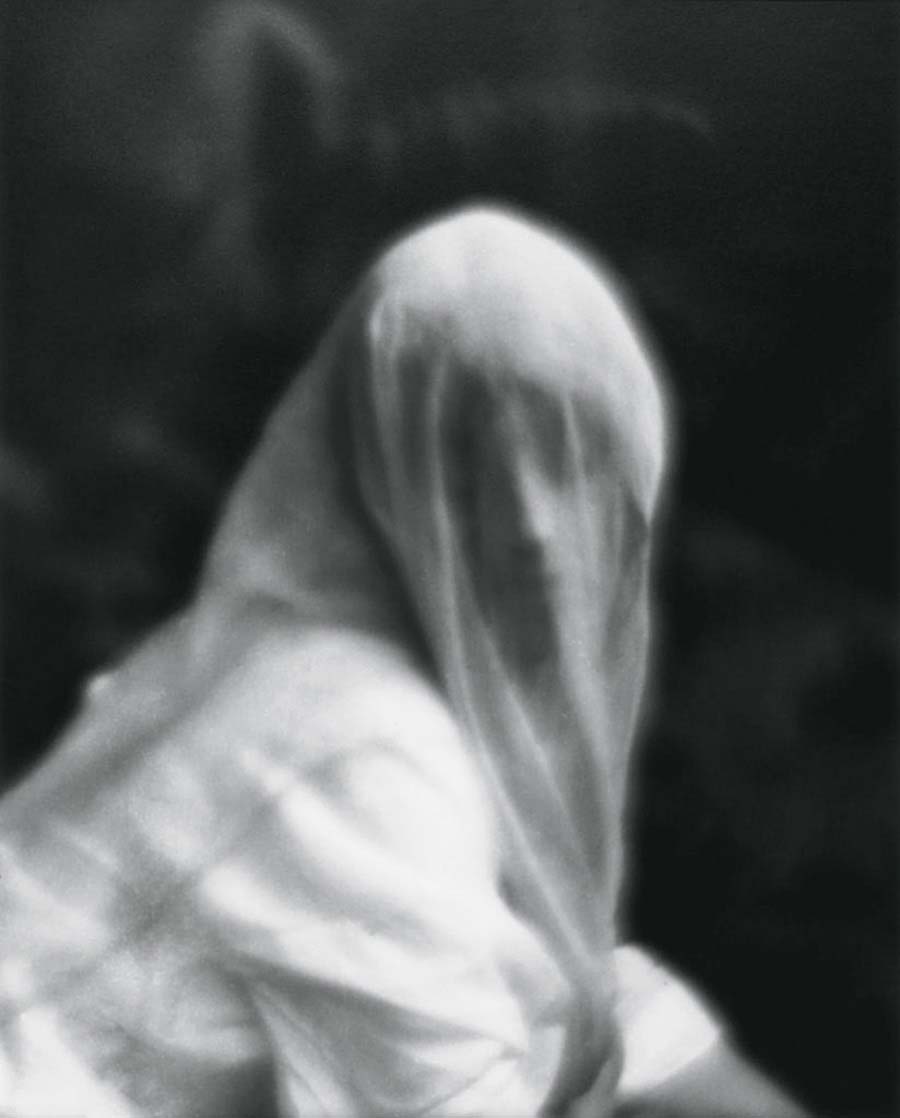
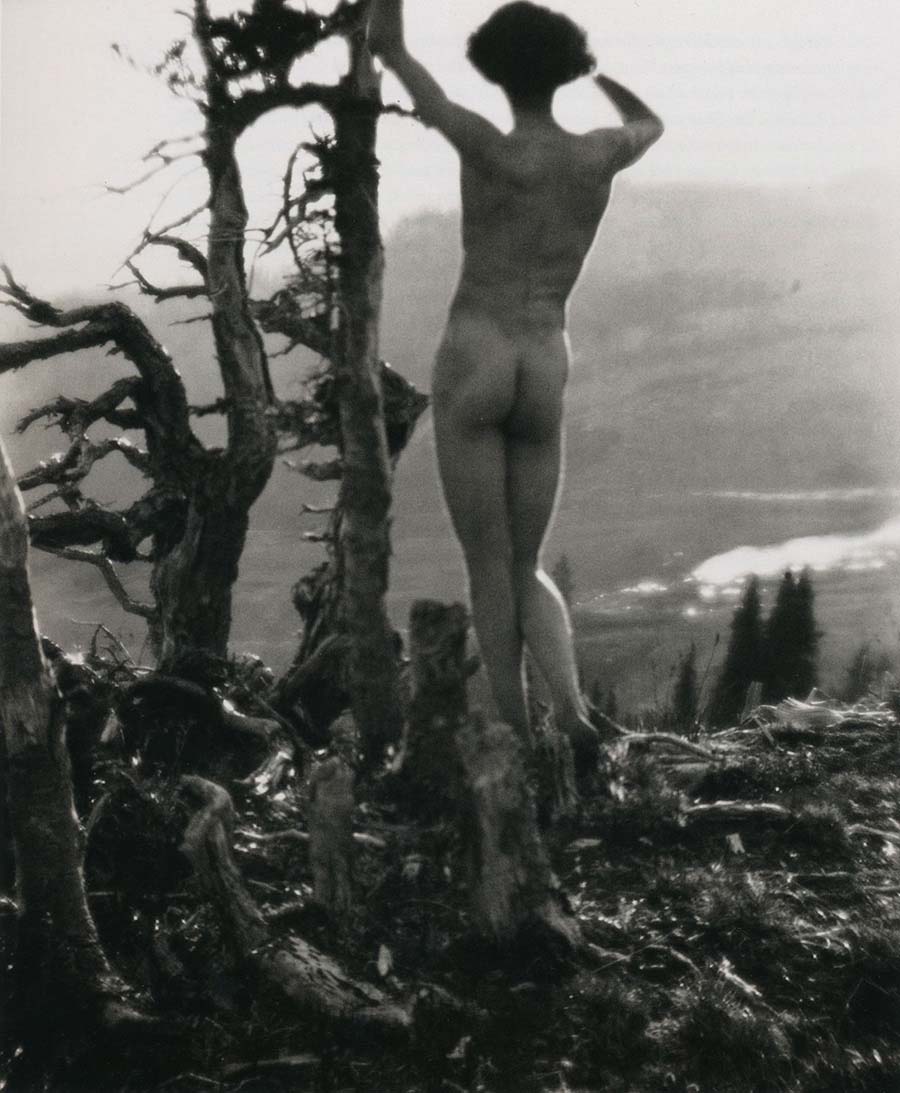
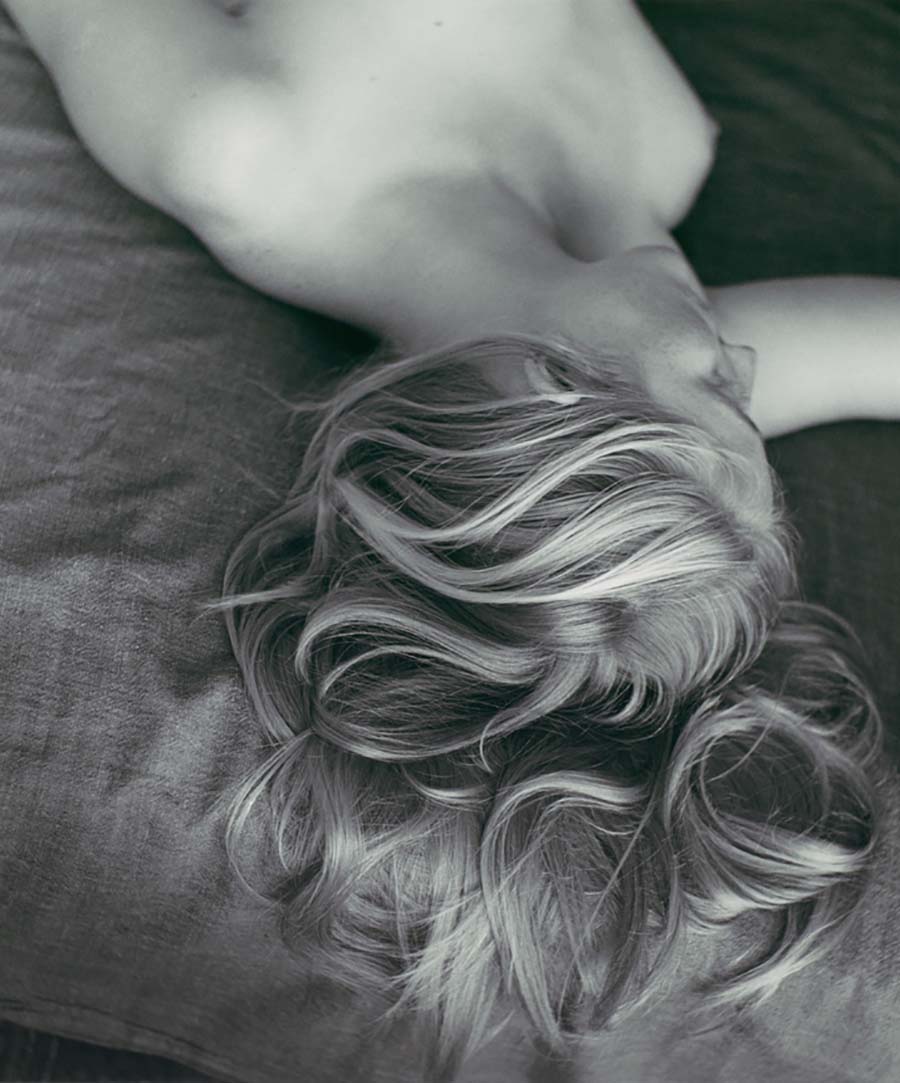
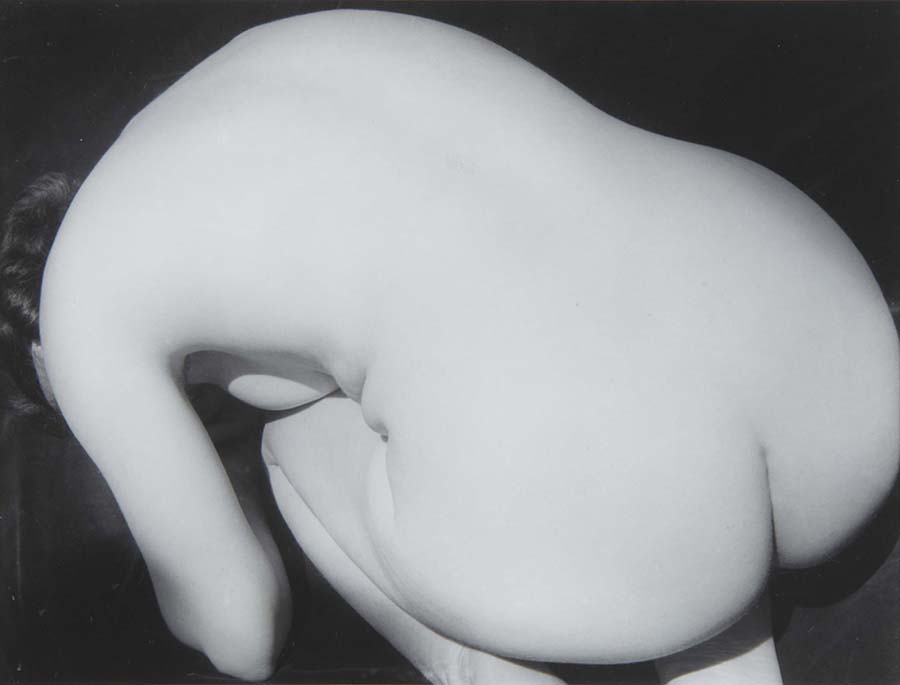
Some of her Photos

You might also like