(18 de abril de 1902 – 16 de noviembre de 1975)
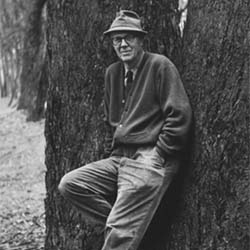 Wynn Bullock was an American photographer who loved to experiment with his art.
When he was five, his family moved to Pasadena in California so he did his basic studies in this city. In 1922 she went to study languages, music and singing at Columbia University in New York and soon began performing as a singer in Broadway musicals, devoting herself for four years in this profession. In 1925 he married Mary Elizabeth McCartey with whom he had two children before divorcing in 1941. Around 1927 or 1928 traveled to Paris in order to improve their singing technique, he met the work of the Impressionists which meant that His interest in photography began. Between 1932 and 1938 he began law studies, encouraged by his mother who was a judge, but disappointed by them he began to study photography at the Los Angeles Art Center, having among other professors Edward Kaminski, at the end of them he opened a photographic studio in this city in 1941. Two years later he obtained the concession to take the photographs at Camp Cooke and in Santa María, which allowed him to marry Edna J. Earle, with her he would have two children.
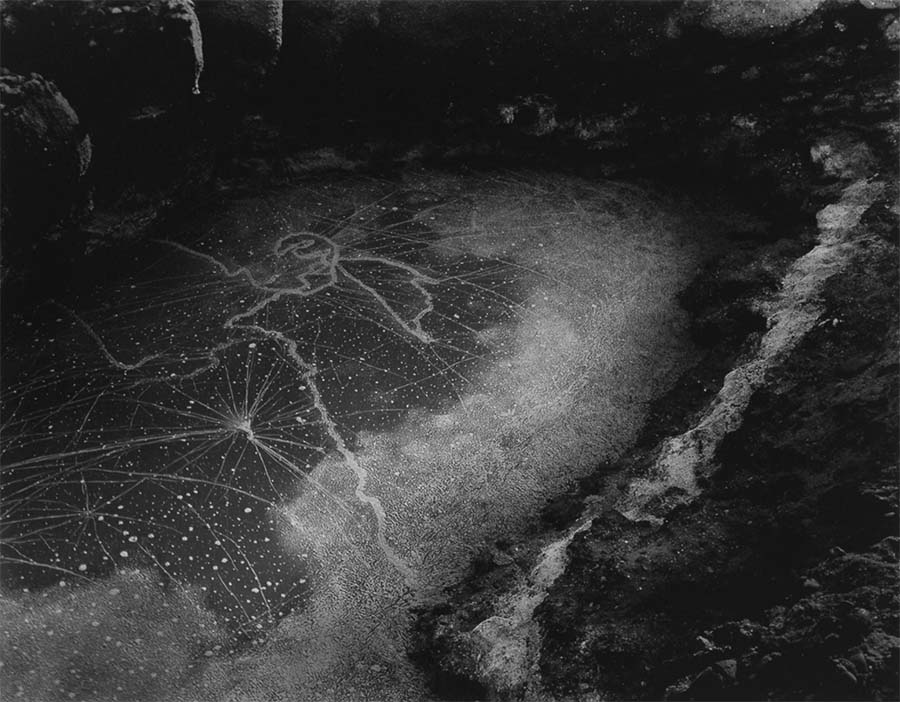
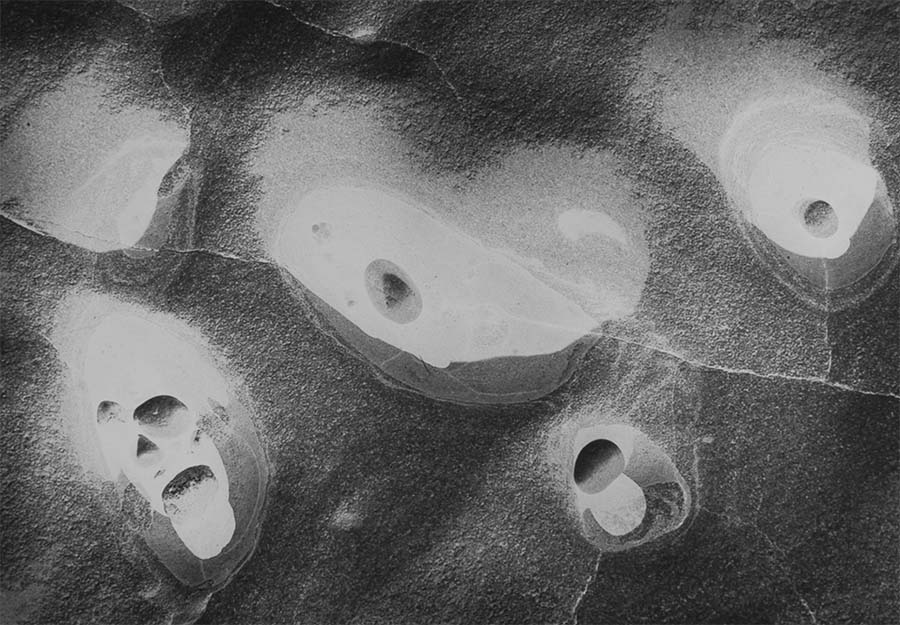
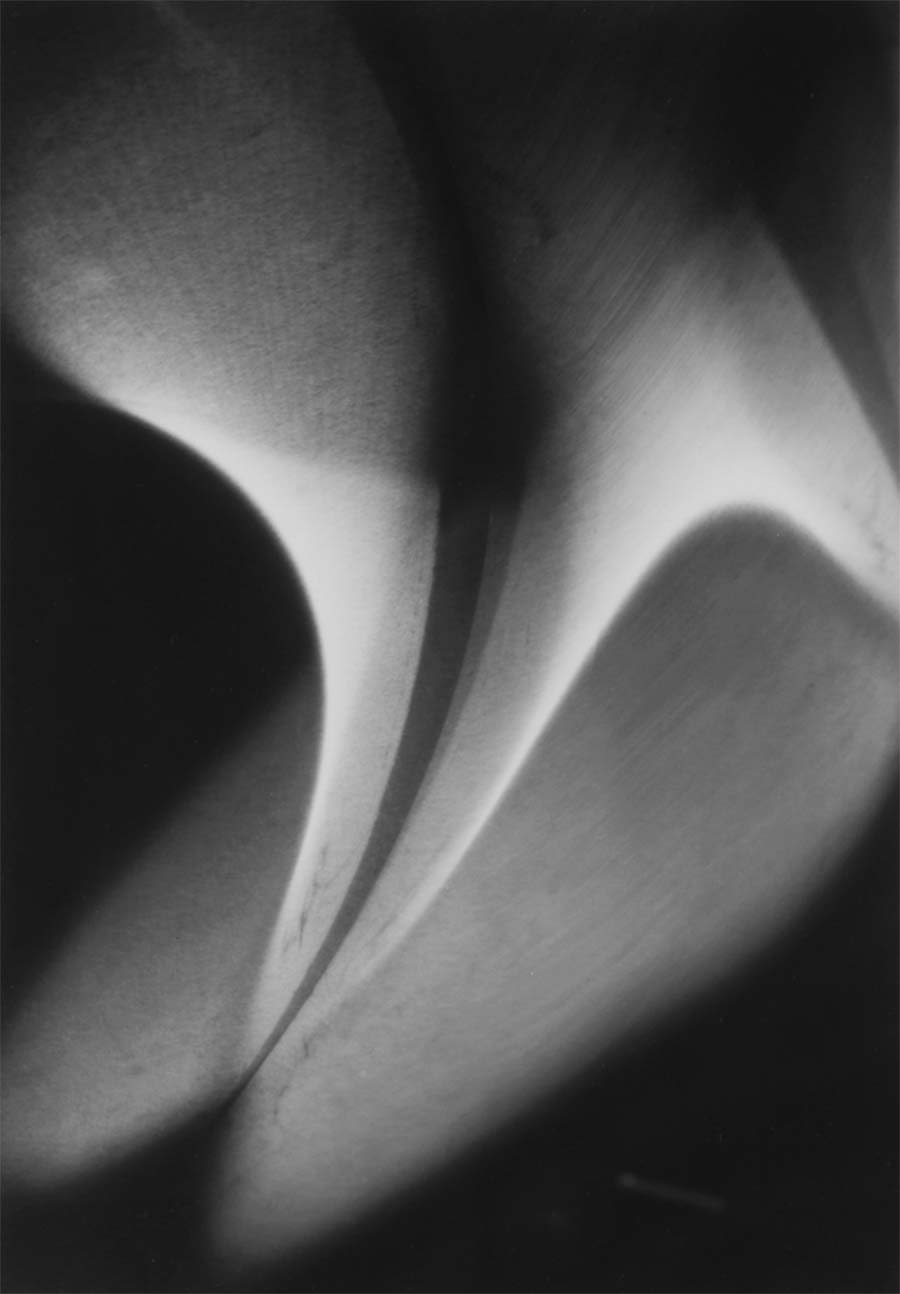
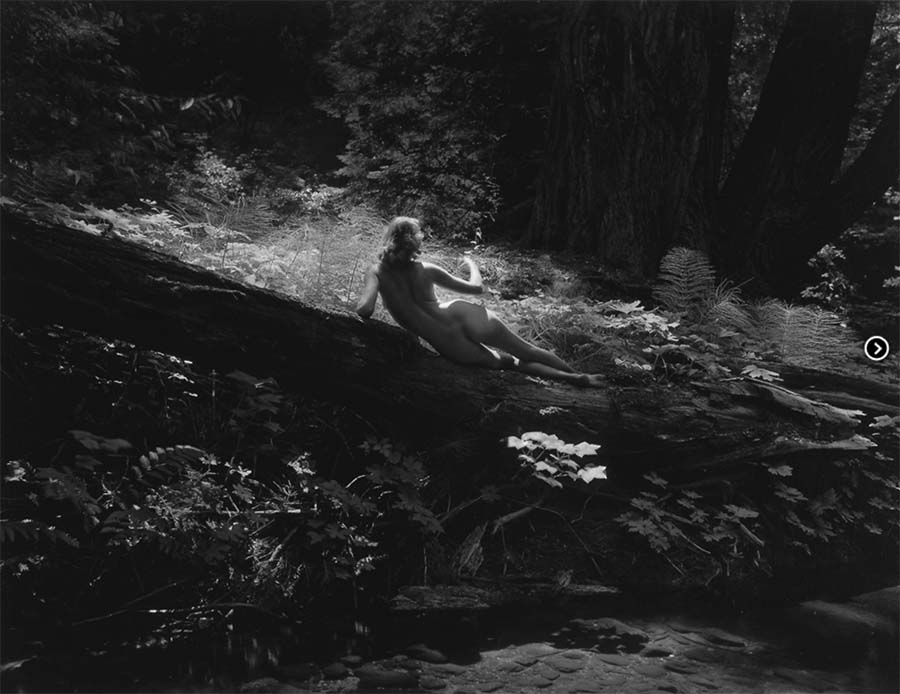
Interested in technical aspects, his photographic work was experimental in nature so his photographs were manipulated, a procedure he frequently used was the solarization for which he obtained a patent. However, upon meeting Edward Weston in 1948, he joined the straight photography trend. In 1955 he dedicated himself to preparing the exhibition The Family of Man where he presented two photographs, one titled Child in Forest that included a nude in the forest and had great symbolic content when presenting photography as a metaphor, but which was the source of great controversy, while another titled Let There Be Light represented the sun above the horizon and was considered the most popular in a survey. From 1957 he returned to experimental photography using color and lighting to create abstract works with the name of Color Light Abstractions. He is considered a photography theorist to whom he applied his theories of space and time in the contemplation of his surroundings.
Since 1959 he worked as a freelance, he was also dedicated to teaching courses and lecturing at different institutions including the Chicago Design Institute, the San Francisco State College or the University of Santa Clara in California. She received numerous accolades, including the annual North Carolina Professional Photographers Award in 1960, a Certificate of Excellence at the Arts Director Club Exhibition in 1961, and an honorary member of the Camera Craftsmen in 1970.
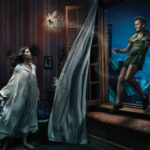
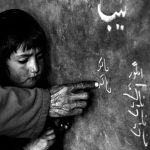
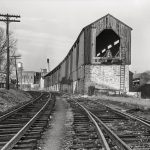
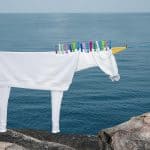
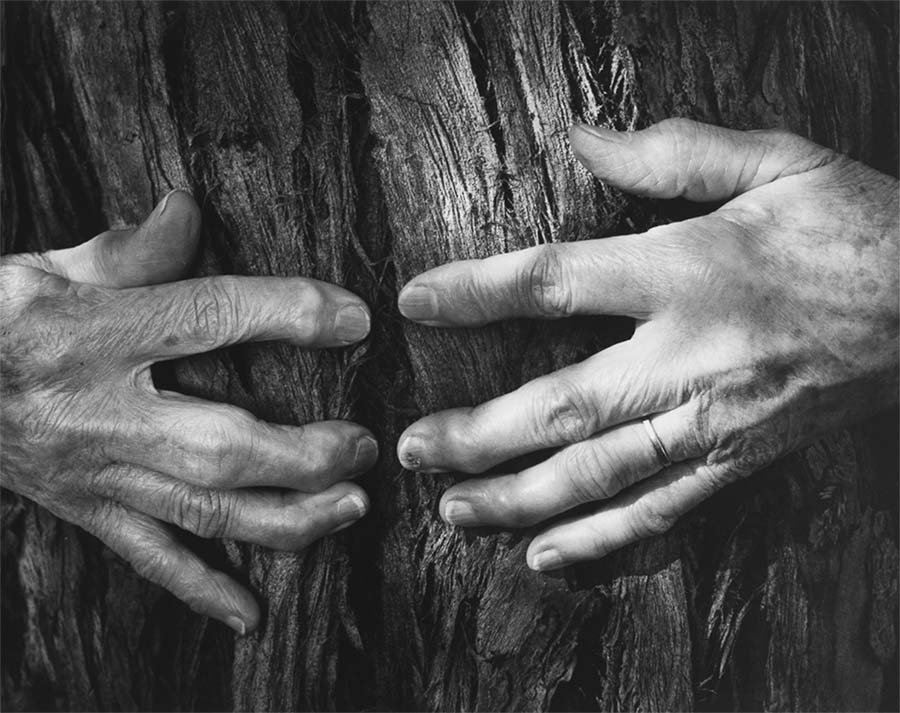
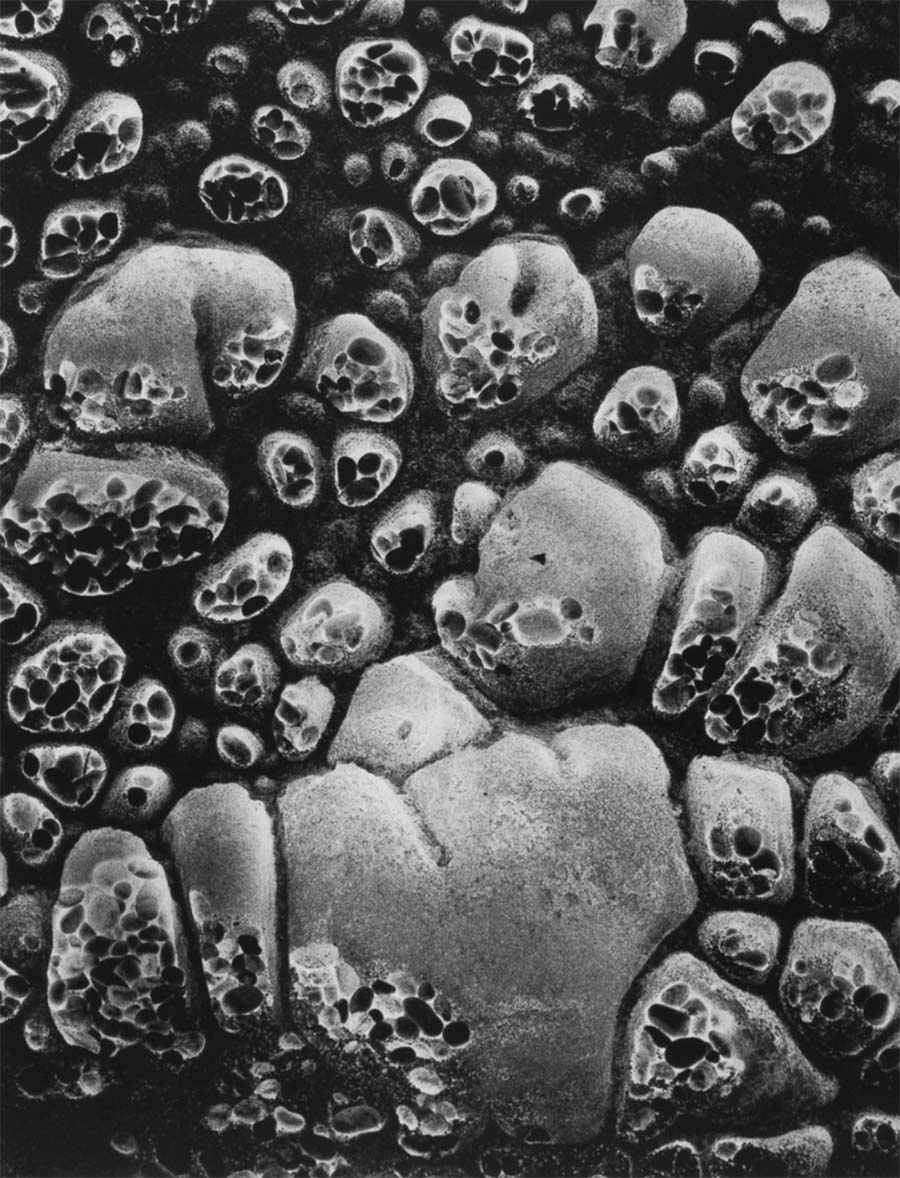
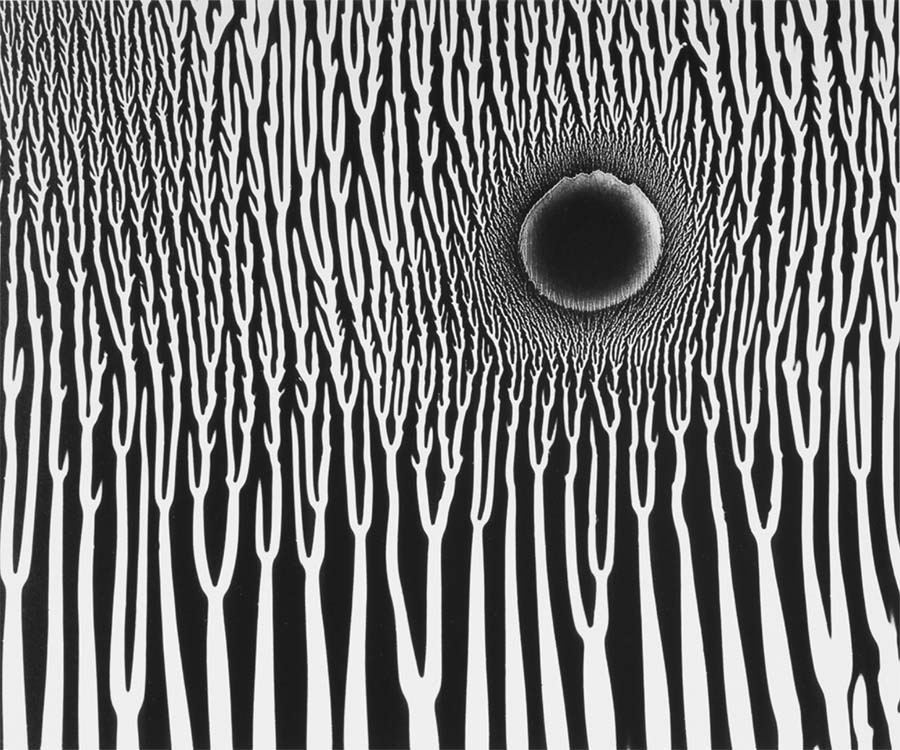
Some of his photos

You might also like