(April, 14, 1912, Gentilly, France – April, 1, 1994, Paris, France)
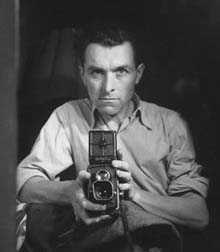 Robert Doisneau was a French photographer well known for the photo “Le baiser de l’hotel de ville” that everyone knows and that has become a benchmark and an icon in the history of Photography.
Doisneau received the training of lithographer and typographer in Paris. In 1929 he began to take his first photographs, learning self-taught and reading the instructions on the emulsion boxes to reveal. He began working in a photographic studio that he would later buy when his owner died. In 1931 he began to work with the artist André Vigneau thanks to his knowledge as an engraver, who introduced him to the world of photography as art. In an interview with El País Semanal in 1991, he recounted “When I started, nobody knew anyone. There were no magazines that spread the work of the most interesting photographers. So the only person who influenced me was Vigneau. He was formidable: sculptor, painter , photographer”. At this time I would also discover Man Ray.
Initially he worked as an industrial and advertising photographer at the Renault factory in Billancourt until he was fired for his repeated absences, according to his words “disobeying seemed like a vital function and I did not deprive myself of doing it”. From inanimate objects he went on to photographs of people in Paris and Gentilly. On September 25, 1932, L’Excelsior published his first photograph. The crisis of the thirties affected him, and he had to spend a long season without assignments. He lived in Montrouge from 1937 until his death. September 25, 1993. Doisneau took his last photo. On April 1, 1994, at the age of 81, he died.
War and Postwar
He participated as a soldier in the French Resistance during World War II until he was demobilized in 1940. These are painful times when he takes commissioned photographs of scientists and continues to portray the occupation and liberation of Paris. After the war, he is hired by the ADEP agency and works together with Henri Cartier-Bresson and Robert Capa, reflecting the joy and joviality of the city of Paris after the disaster. Since 1945 he has collaborated with Le Point and has been a member of the Rapho agency for life, portraying, among others, Pablo Picasso. All of his work, outside of those entrusted to him, continued to focus on public life and place his characters in a daily environment “My photo is of the world as I wish it to be”.
The heartbeat of Paris
With Robert Giraud he opens up to the nightlife of the capital: jazz, cafes and alternative art. Tour Montparnasse and Saint-Germain-des-Prés where you will meet Jean Paul Sartre, Albert Camus and Jean Cocteau among others. It is his way of escaping the artificial world of ‘Vogue’.
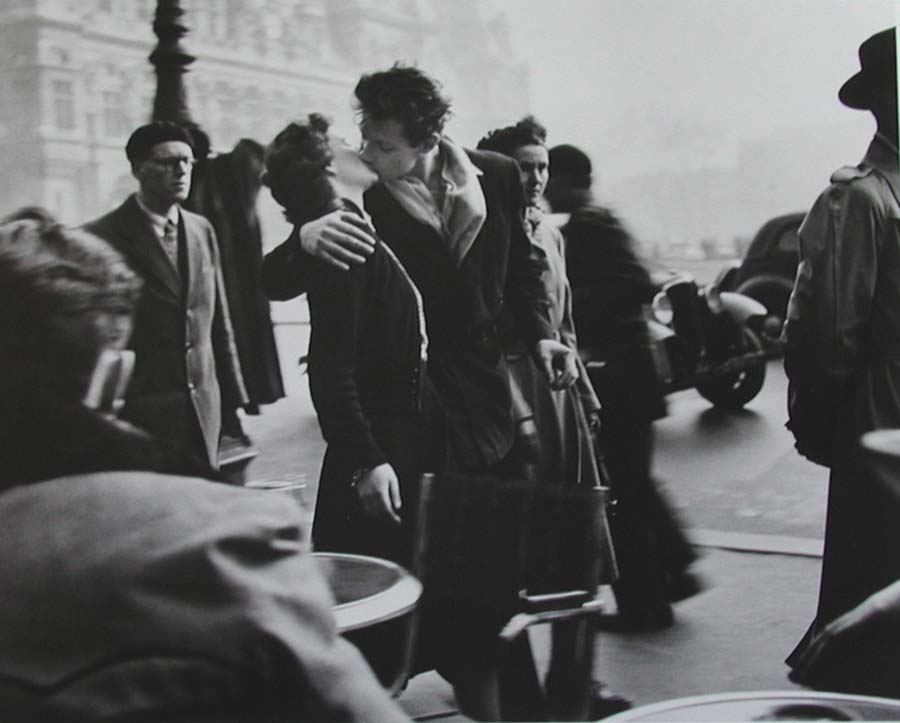
In 1950, Doisneau was looking for material to fulfill a commission from the American magazine America’s Life, interested in lovers of Paris. From there will come the series Kisses and his most significant work: The Kiss. The photograph mysteriously shows a couple kissing in front of the Paris city hall.
Many thought it was a spontaneous photograph that the author had taken on the Parisian streets. However, years later it became known that the couple consisted of the dramatic art students, Françoise Bornet and Jacques Carteaud from the Simon Courses. The artist who would make them anonymously famous discovered them in a Parisian café and both agreed to pose in front of their target, giving each other a passionate kiss in the midst of the city’s tumult. The photo became an icon recognized throughout the planet. The work traveled throughout France and the United States with great success, and would open doors abroad. In 1951 he exhibited at the Museum of Modern Art in New York. It is a kiss that symbolized a multitude of things: love, Paris as a romantic city and represented a time of exaltation of feeling. It also became an object that brought juicy profits: even today the famous kiss sells hundreds of thousands of copies annually.
In 1953 he left Vogue, suffering the eclipse of photography and post-war photographers in the 1960s. It was not until 1979 that Claude Nori rescued Doisneau by publishing a retrospective of his work in Three Seconds of Eternity.
Rehabilitated for the art world, in the 1980s he toured Asia, with massive exhibitions in Beijing, Tokyo and Kyoto, as well as in Rome and at the Museum of Modern Art in Oxford.
In 1993 “El Beso” was brought to trial. A couple claimed to have recognized themselves in the picture and claimed their slice of the cake. At that time, women and men began to appear claiming to be the lovers of the work and raising demands for the right of image, that lie that made believe that it was an improvised snapshot could not be maintained. The photographer won the trial by presenting as evidence the complete series of photos taken in different parts of Paris with the same couple. He had found her in a cafe near the theater school and had proposed posing for the photo. Françoise Bornet, the real protagonist of the photo with her then boyfriend, Jacques Carteraud, decided to discover her secret: she wanted a percentage of the profits. Once again Doisneau won on the podium: he could verify that he had paid for Bornet and his partner’s work. The couple sold the copy of their photo that Doisneau gave to a Swiss collector who paid € 155,000 for it in 1992. Later, the author himself would acknowledge: “It is not an ugly photo, but it shows that it is the result of a commissioning scene, they kiss for my camera. “
The photographer has had more than a hundred books and several films dedicated to him. More than 500,000 copies of the Kiss poster have been sold worldwide and on April 14, 2012, the Google search site paid tribute with a significant doodle.
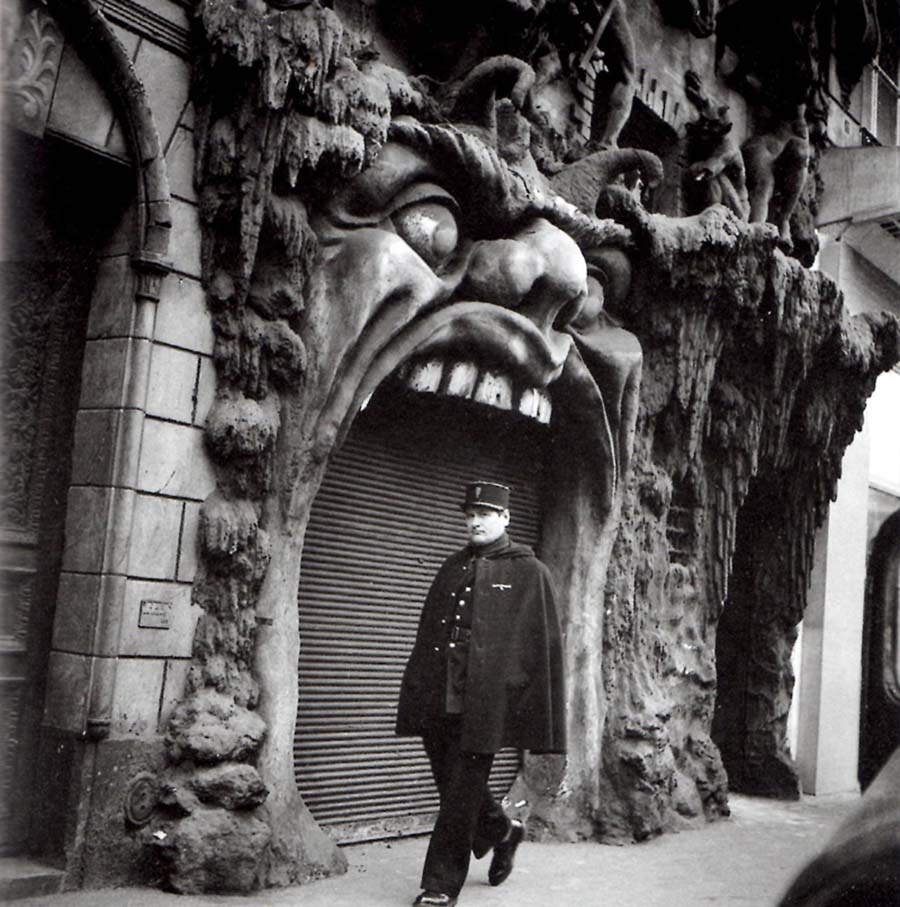
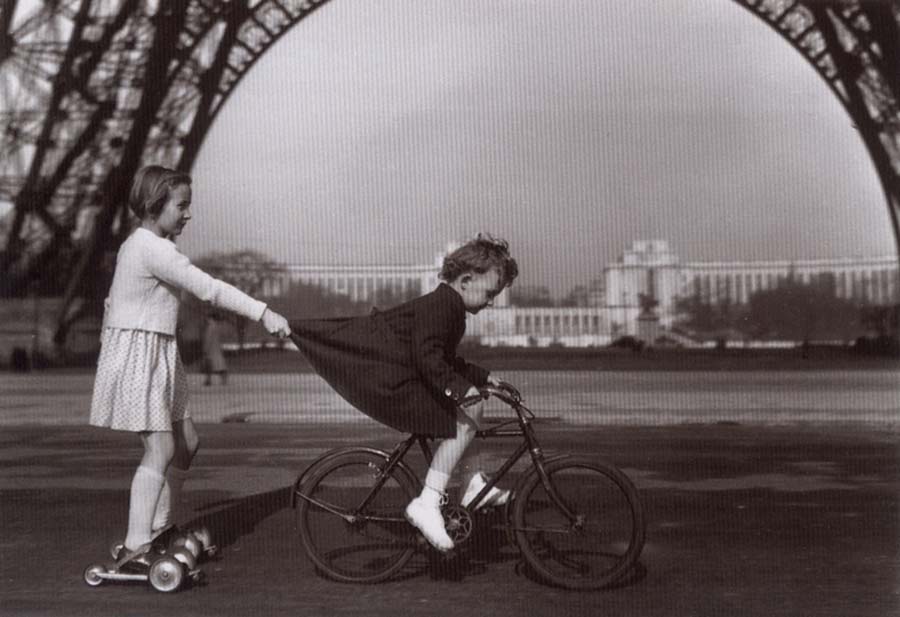
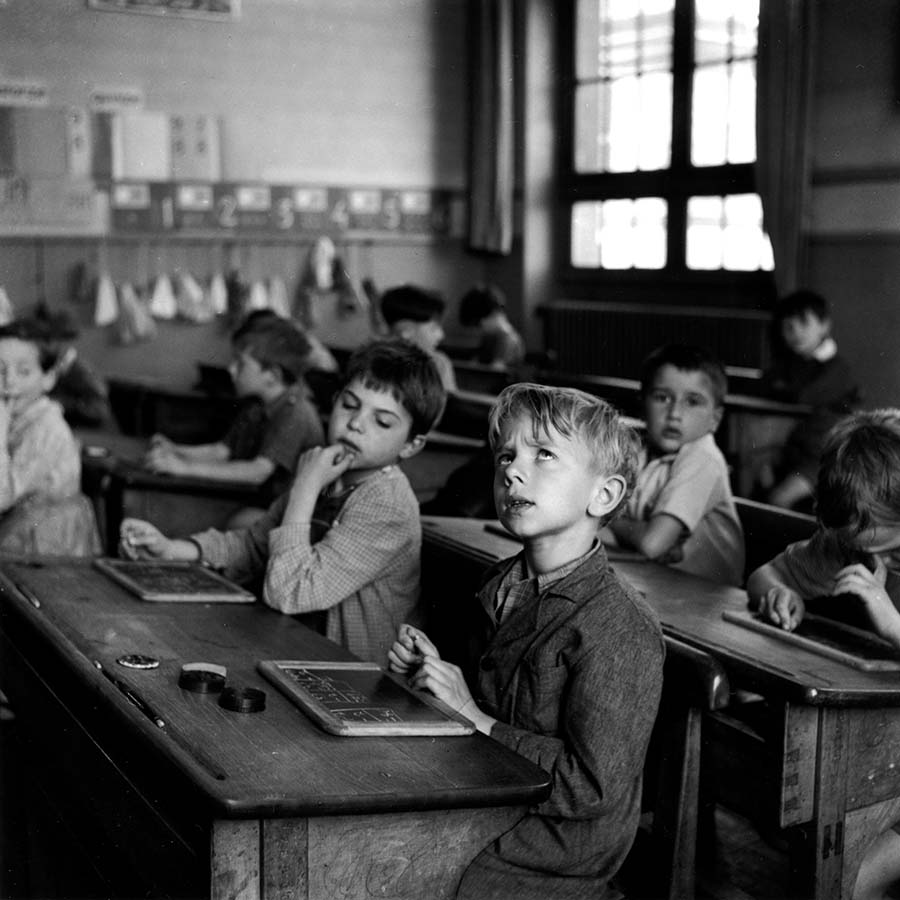
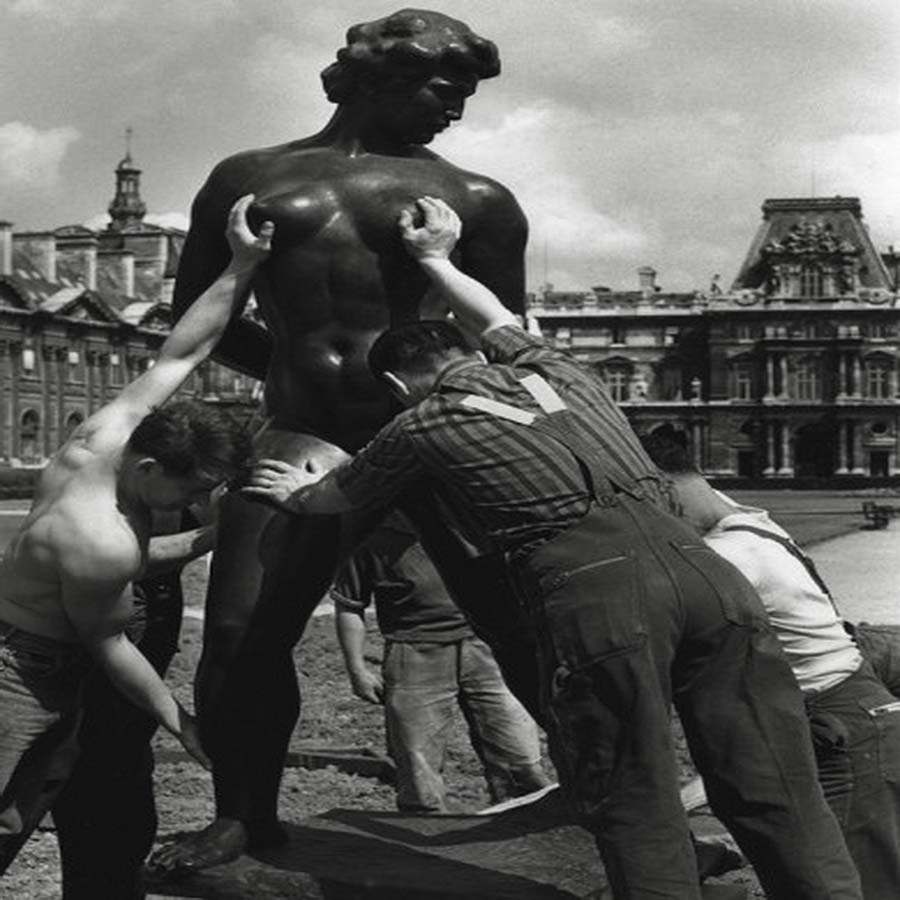
Some of his Photos

You might also like