(Bernd (1931 – 2007), Hilla (1934))
 They are two German photographers known for their series of images of industrial buildings examining similarities and differences in structure and appearance.
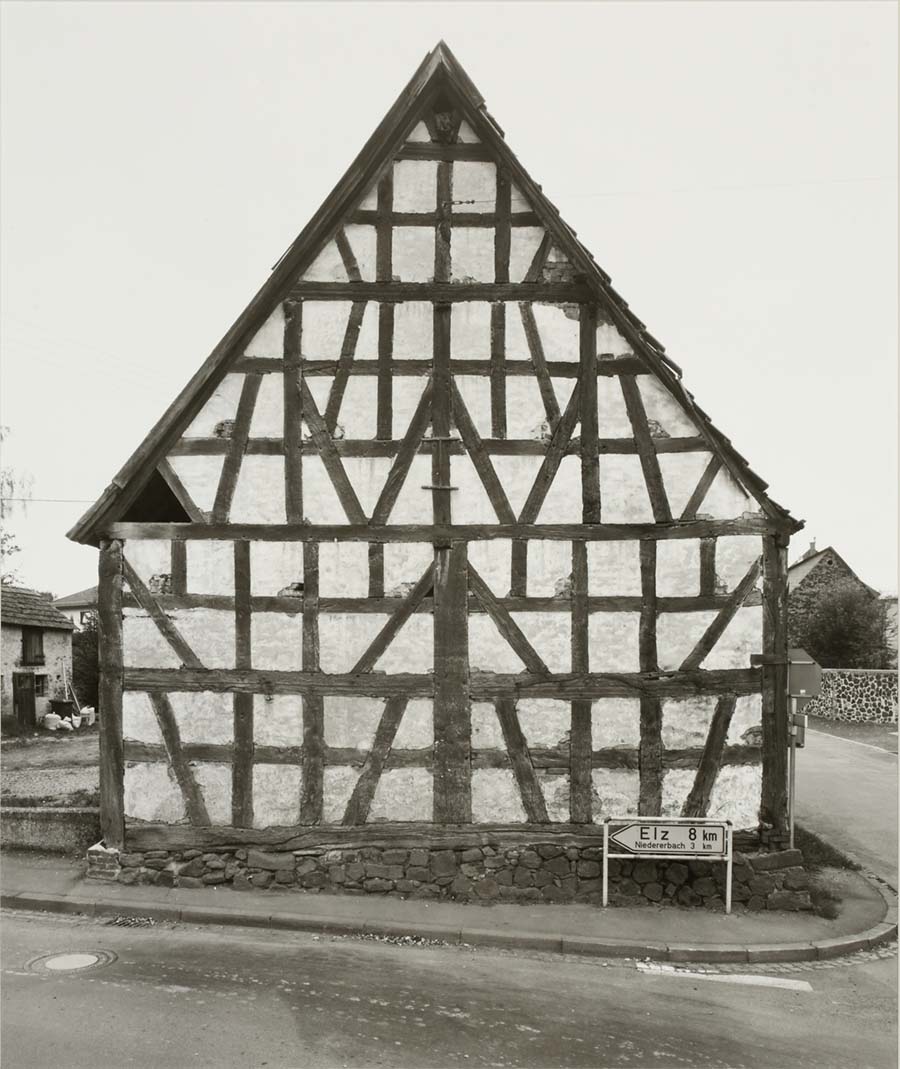
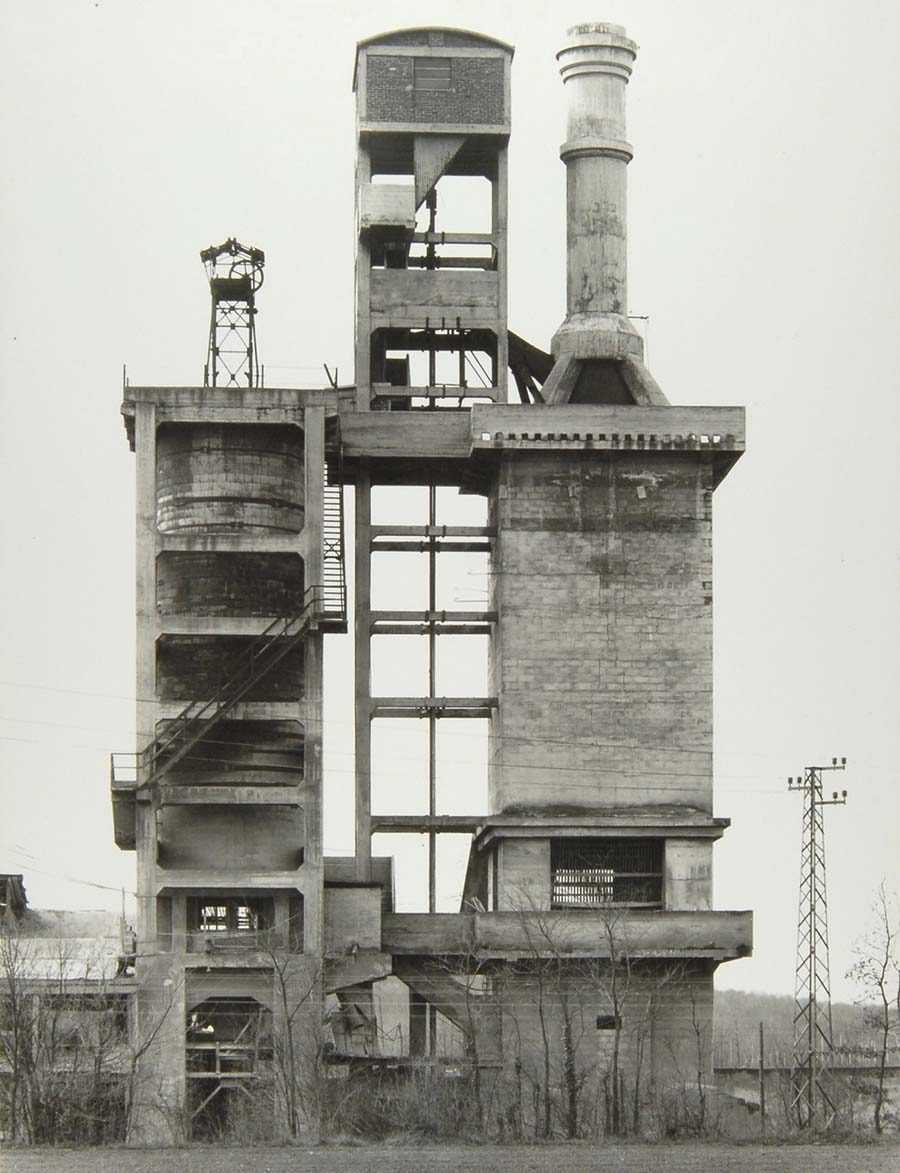
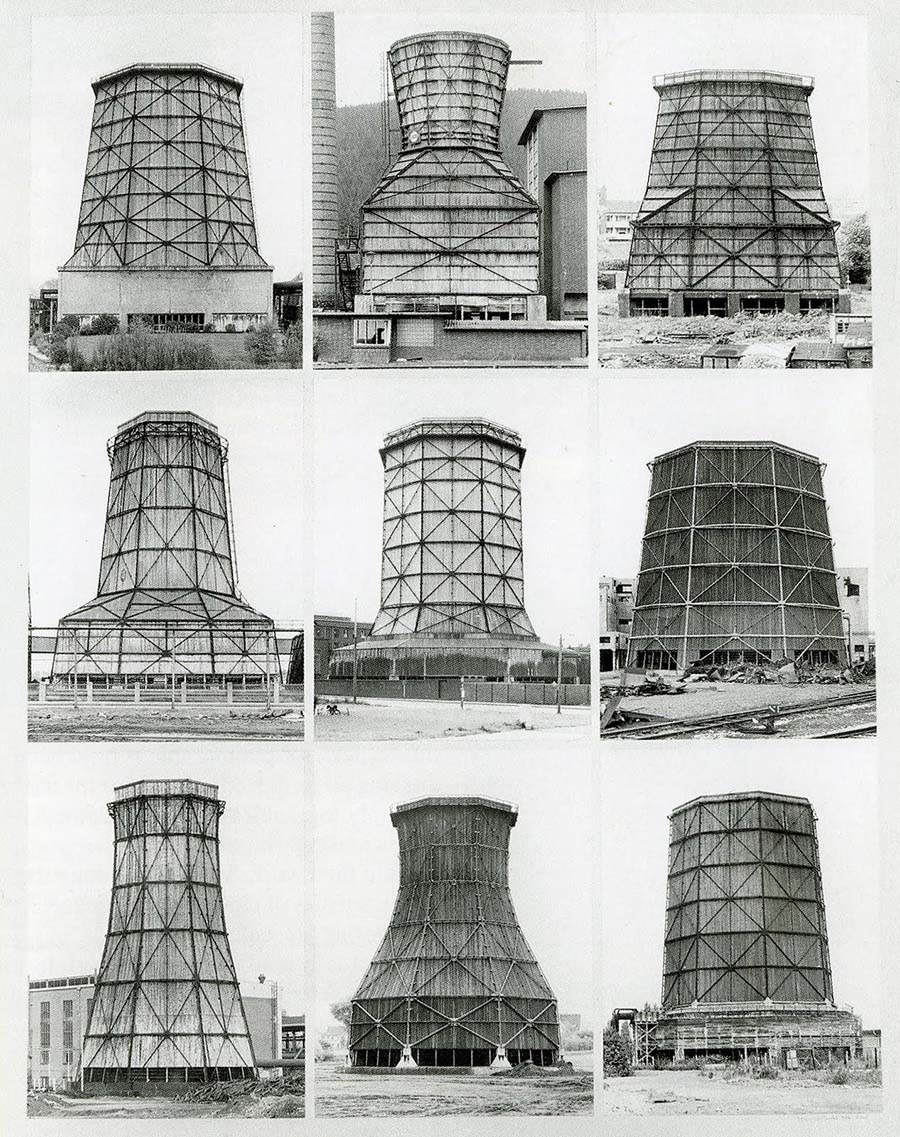
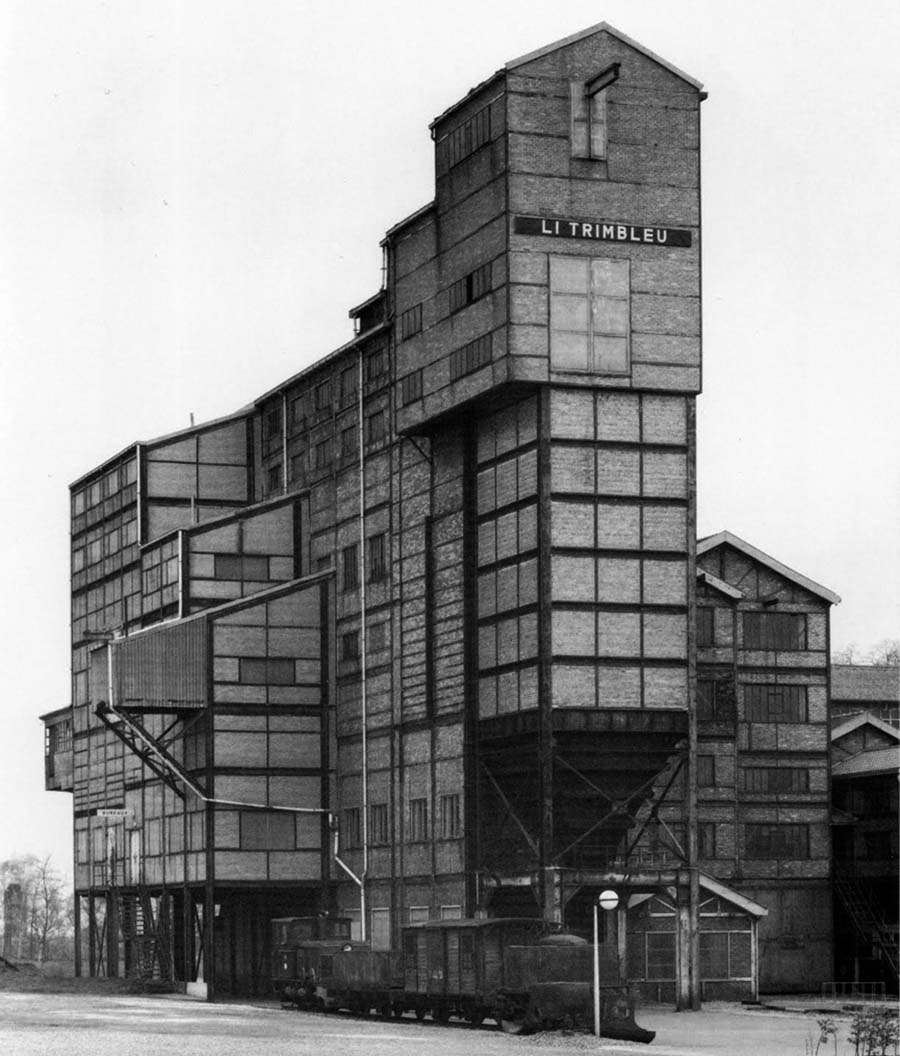
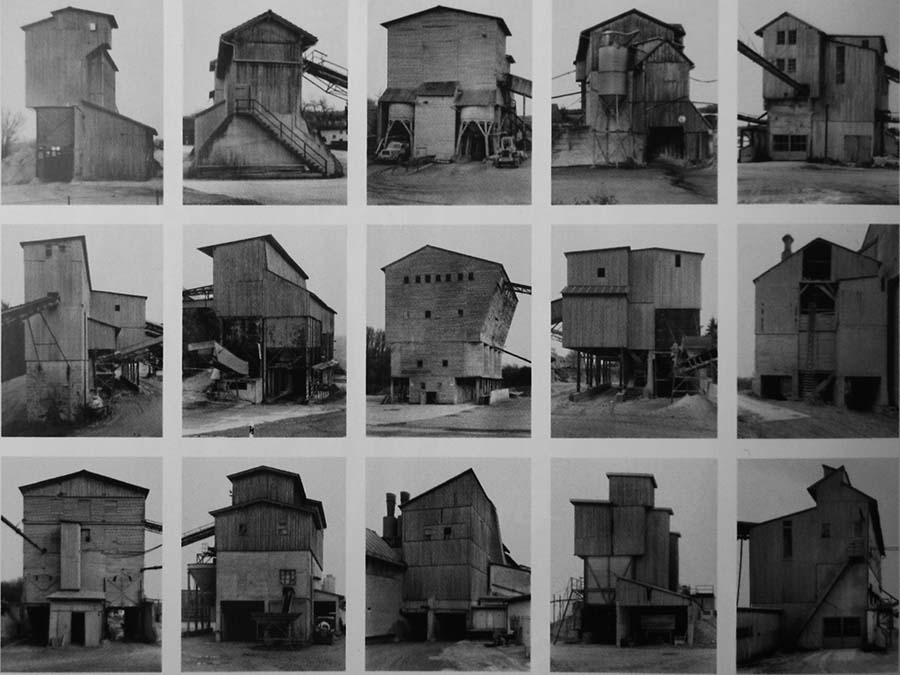
Bernd and Hilla met as painting students at the University of Düsseldorf, and were married in 1961. Their first collaboration in photography was in 1959 documenting the missing industrial architecture. His first exhibition was in 1963 at the Ruth Nohl Gallery (Siegen). Their work showed the fascination of both for the similarity with which certain buildings had been created. The photographs were taken from different points of view with a large format camera, but always in a plane perpendicular to the object they portrayed. Images of buildings with the same function were displayed together inviting the public to compare shapes and designs. These buildings were mainly granaries, water towers, storage silos, extraction castles, or blast furnaces.
The Bechers photograph these series of industrial buildings following very defined guidelines. For more than 50 years they have toured industrial plants in Germany, England, Belgium, France or the USA. All of his work is in black and white. They themselves say that at the time when the first color films appeared, they did some tests without convincing them in the least: “when photographing in color a tone is extracted that does not really exist. The sculptural character is best presented with the use of black and white ”. To take their images they usually place a camera at an elevated point and then with a diffused light (so as not to create shadows) they leave the lens open for a long time of exposure, thus the human figure does not appear.
His rigor becomes so obsessive that it transfers a scientific character to his scenes. The latter is what created some controversy about its rigid aesthetics, which in principle was only valued by engineers and architects. It is precisely this rigor, which, when seen not in isolation but one image after another, when they constitute its true value, as “an anatomy lesson”, managing to obtain a truly novel abstraction for contemporary photography.
From 1976 to 1996 Bernd has been a professor at the Düsseldorf Academy of Fine Arts. They have received numerous awards, including the Golden Lion at the 1990 Venice Biennale, the Erasmus Prize in 2002, or the Hasselblad Prize in 2004. Berdt teaches at the Düsseldorf Academy of Art and has influenced numerous students who They would later do industrial photography. Among them we find Andreas Gursky, Thomas Ruff, and Candida Höfer.
Some of their Photos

You might also like