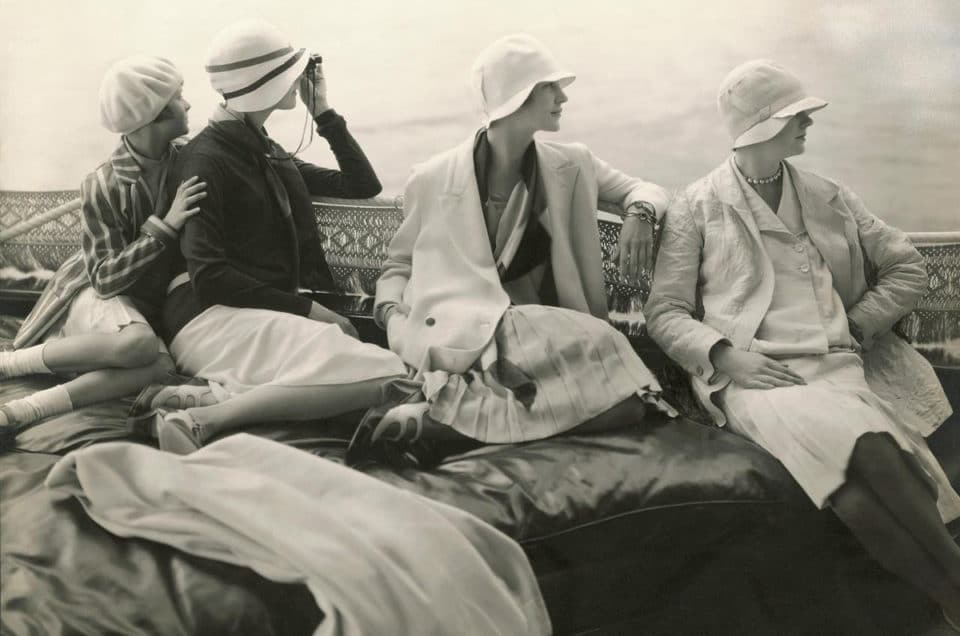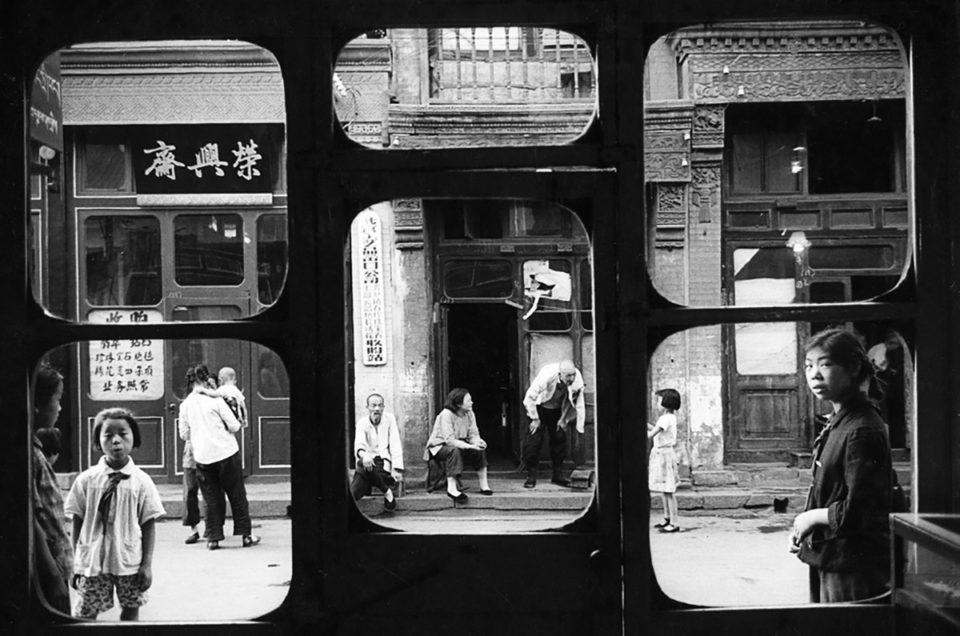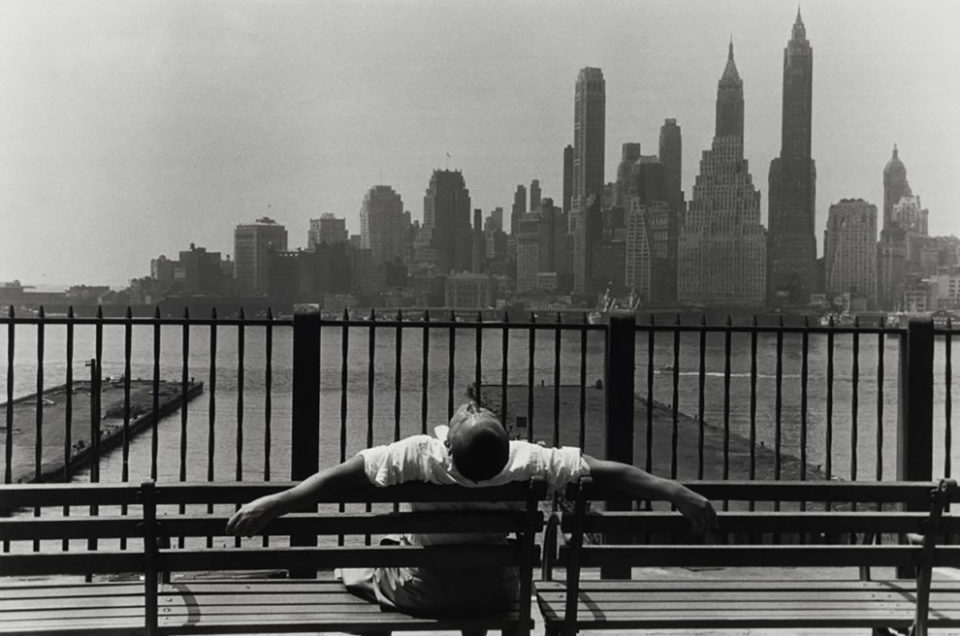
(November, 4, 1946, NYC, USA – March, 9, 1989, Boston, USA)
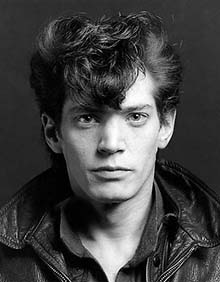 Robert Mapplethorpe He was an American photographer, famous for his large-format black and white photographs, especially flowers and nudes. The sexual content of some of his works, classified as pornography, generated more than a controversy during his career.
Mapplethorpe was born in 1946, the third of six children, and grew up in a Roman Catholic setting of English and Irish heritage near Our Lady of the Snow Parish, in Floral Park, New York, a Long Island neighborhood, which he himself remembered saying: «I come from suburban America. It is a very safe environment, and it is a good place to have come from, in the sense that it was a good place to leave home ».1 developing an interest in homoeroticism since his adolescence.
He studied at the Pratt Institute in Brooklyn from 1963 to 1970, where he produced works of art in a variety of media. He did not yet use his own photographs, but in his works he incorporated many photographic images that he obtained from various sources, including torn pages from books and magazines. This early interest reflected the importance of the photographic image in the culture and art of his time, including the work of such notable artists as Andy Warhol, whom Mapplethorpe greatly admired.
He started his career as a freelance filmmaker and artist, using collaged photographs.3 He made his first photographs soon after using a Polaroid camera that a friend gave him.
Beginnings in photography
He still didn’t consider himself a photographer, but he wanted to use his own photographs in his paintings, rather than images taken from magazines. “I never liked photography,” he was quoted as saying, “Not photography itself. I like the object. I like photos when you have them in hand.” Her first polaroids consist of self-portraits and the first in a series of portraits of her friend, singer-artist-poet Patti Smith. These early photographic works were generally presented in groups or elaborately presented in frames whose shapes and paintings were as important to the finish of the piece as the photograph itself. Mapplethorpe’s transition to photography as the sole means of expression occurred gradually during the mid-1970s.
In the mid-1970s, he acquired a medium-format Hasselblad camera and began taking pictures of a wide circle of friends and acquaintances, including artists, songwriters, and high society people, as well as pornographic actors and members. from the underground sadomasochistic community. Some of these photos were impressive for their content, but exquisite in their technical domain. Mapplethorpe declared to ARTnews in late 1988, “I don’t like that word, ‘shocking. I look for the unexpected. I look for things I’ve never seen before … I was in a position where I could take photos. I felt in the obligation to do so. “
Even after he became known as a photographer, Mapplethorpe remained interested in art and in 1988 he put on a show with photographic images printed on canvas. He was also a collector of photographs, as well as furniture, fabrics and other art objects. Requested as an editorial photographer, he shot portraits of celebrities for magazines such as Vogue and Vanity Fair.
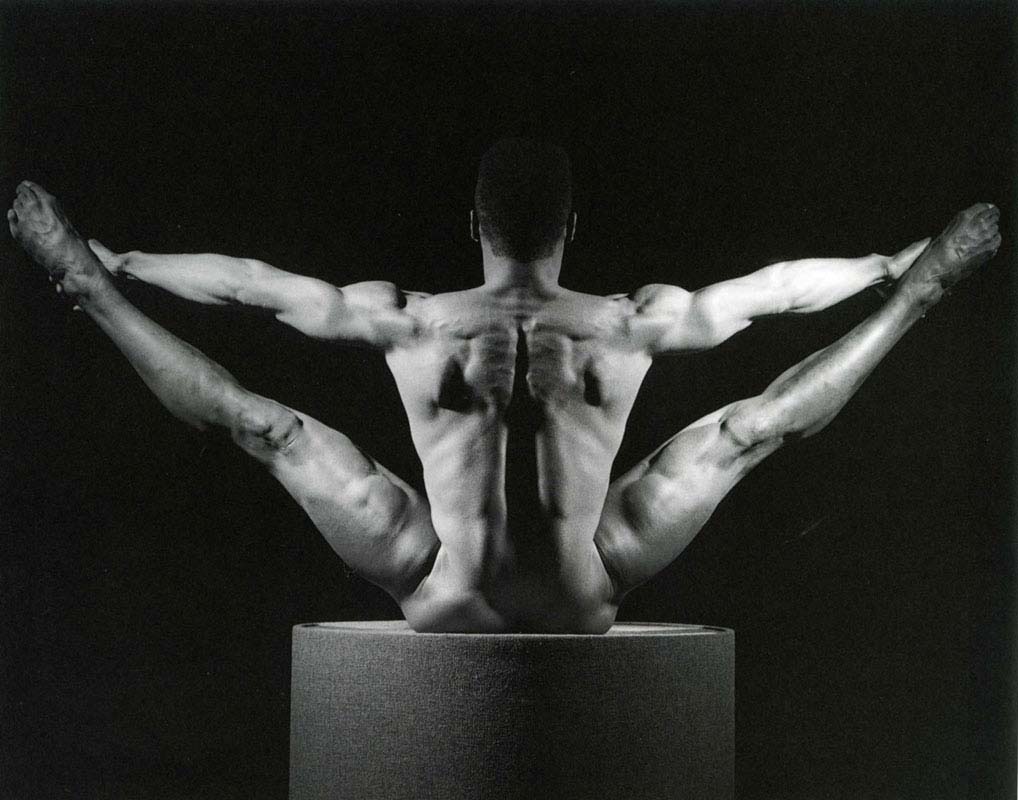
In the 1980s her aesthetics were refined, taking sculptural-looking nude photographs of both men and women, delicate still lifes of flowers, and portraits of artists and celebrities with an emphasis on classic formal beauty. Mapplethorpe’s first studio was at 24 Bond Street in Manhattan. For the 1980s, Sam Wagstaff gave him $ 500,000 to buy a loft on the top floor of 35 West 23rd Street, where he lived and had his work studio. Meanwhile, he kept the Bond Street loft as his dark room. Mapplethorpe continued to challenge the definition of photography by introducing new techniques and formats for his work: color polaroids, gravure printing, platinum printed on paper and linen, cyborgromes and transferred color ink prints, as well as his earlier silver gelatin prints in black and white.
Mapplethorpe produced a consistent work that strived for balance and perfection, placing him among the leading artists of the 20th century. About a year before his death, already ill, Mapplethorpe helped found the Robert Mapplethorpe Foundation, Inc. His vision for the Foundation was that it would be “the appropriate vehicle to protect his work, to advance his creative vision, and to promote causes that mattered to him. “4 Since his death, the Foundation has not only functioned as its official Heritage and helped promote its work worldwide, it has also raised and donated millions of dollars to fund medical research in the fight against AIDS and HIV infection.
Robert Mapplethorpe died on the morning of March 9, 1989, in a hospital in Boston, Massachusetts, from complications from AIDS, at the age of 42. Her ashes were buried in her mother’s grave in Queens, New York. His name does not appear on the tombstone, marked with the word Maxey.
Works
Mapplethorpe worked primarily in the studio, especially towards the end of his career. His usual themes included flowers, especially orchids and water lilies; celebrity portraits, including artist Andy Warhol, singer and actress Deborah Harry, Richard Gere, Peter Gabriel, Grace Jones and Patti Smith (a 1986 portrait of Patti Smith5 recalls Albrecht Dürer’s self-portrait from 15006); homoeroticism and acts of BDSM (bondage and sadomasochism), including coprophagy), and nudes of classic reminiscences.
The controversy surrounding his art was not accidental. Mapplethorpe sought the presence of homosexual themes, using actors from pornographic cinema and elements of sado-masochistic culture as models, controversial topics that over time were used as symbols of LGBT culture in their fight for equality and recognition. In 1978, he published the X Portfolio and the Y Portfolio in limited editions. The X Portfolio revolves around photographic images of sadomasochistic behavior, while the Y Portfolio focuses on flowers and still lifes. In 1981, he published the Z Portfolio, which focuses on African American men, also in a limited edition.
The Mapplethorpe X Portfolio sparked attention in the United States in the early 1990s, when it was featured in Robert Mapplethorpe: The Perfect Moment, a traveling exhibition funded by the National Endowment for the Arts . The X Portfolio includes some of Mapplethorpe’s most explicit images, including a self-portrait with a whip inserted into her anus.7 8 Although her work had been shown in publicly funded exhibitions, conservatives and religious organizations such as the American Family Association took advantage this exhibition to oppose government support for what they called “nothing more than the sensational presentation of possibly obscene material.” 9 As a result, Mapplethorpe became a benchmark for both sides of the “American Cultural War”. The display of The Perfect Moment in Cincinnati led to the prosecution of the director of the Cincinnati Center for Contemporary Art, Dennis Barrie, on charges of “obscenity and child pornography.” Although both Barrie and the Center for Contemporary Art were acquitted, one of the consequences was the demonstration of how threatening images of male homosexuality could be for the American public.
His sexually connoted photographs of African-American men have come under fire for exploitation.11 This criticism was the subject of a work by American conceptual artist Glenn Ligon, Side Notes from the Black Book (1991-1993). Ligon juxtaposes several of Mapplethorpe’s most iconic images of African American men, drawn from his 1988 Black Book, with various critical texts to complicate the racial background of the images.
The Corcoran scandal
In June 1989 Pop artist Lowell Nesbitt Blair became involved in the scandal involving his friend Robert Mapplethorpe. The Corcoran Gallery of Art, the oldest art museum in Washington DC, had agreed to host a solo exhibition of Robert Mapplethorpe’s works, without making a stipulation as to what type of theme would be used. Mapplethorpe decided to make his famous “sexually suggestive” photo debut, which was a new series he was exploring shortly before his death. The Corcoran hierarchy, and even some members of Congress were horrified when the works were shown to them, so the museum refused to continue the exhibition. It was at this time that Lowell Nesbitt Blair stepped forward; He was a longtime friend of Mapplethorpe and revealed that he had laid down a legacy in works worth an estimated $ 1,500,000 for the museum in his will, though, in public statements that caused great press interest in the matter. , 12 Nesbitt promised that if the museum refused to host the exhibition of the controversial images created by Mapplethorpe it could revoke his legacy. The Corcoran refused, and Lowell Nesbitt Blair changed the fate of his legacy to the Phillips Collection, which he cited as a source of inspiration early in his career, when he had worked there in his youth as a night watchman.
After the Corcoran Gallery of Art rejected the Mapplethorpe exhibition, the Washington community of artists, in retaliation, offered a nightly slideshow of the most explicit photos on the Corcoran’s marble facade. A small non-profit arts organization, the Washington Project for the Arts collected and displayed the images of the controversy in its own space, from July 21 to August 13, 1989. The WPA did not have a large building, and They were used to receiving about 40 visitors every weekend. During the first weekend of the Mapplethorpe exhibition, 4,000 people crowded into the gallery.
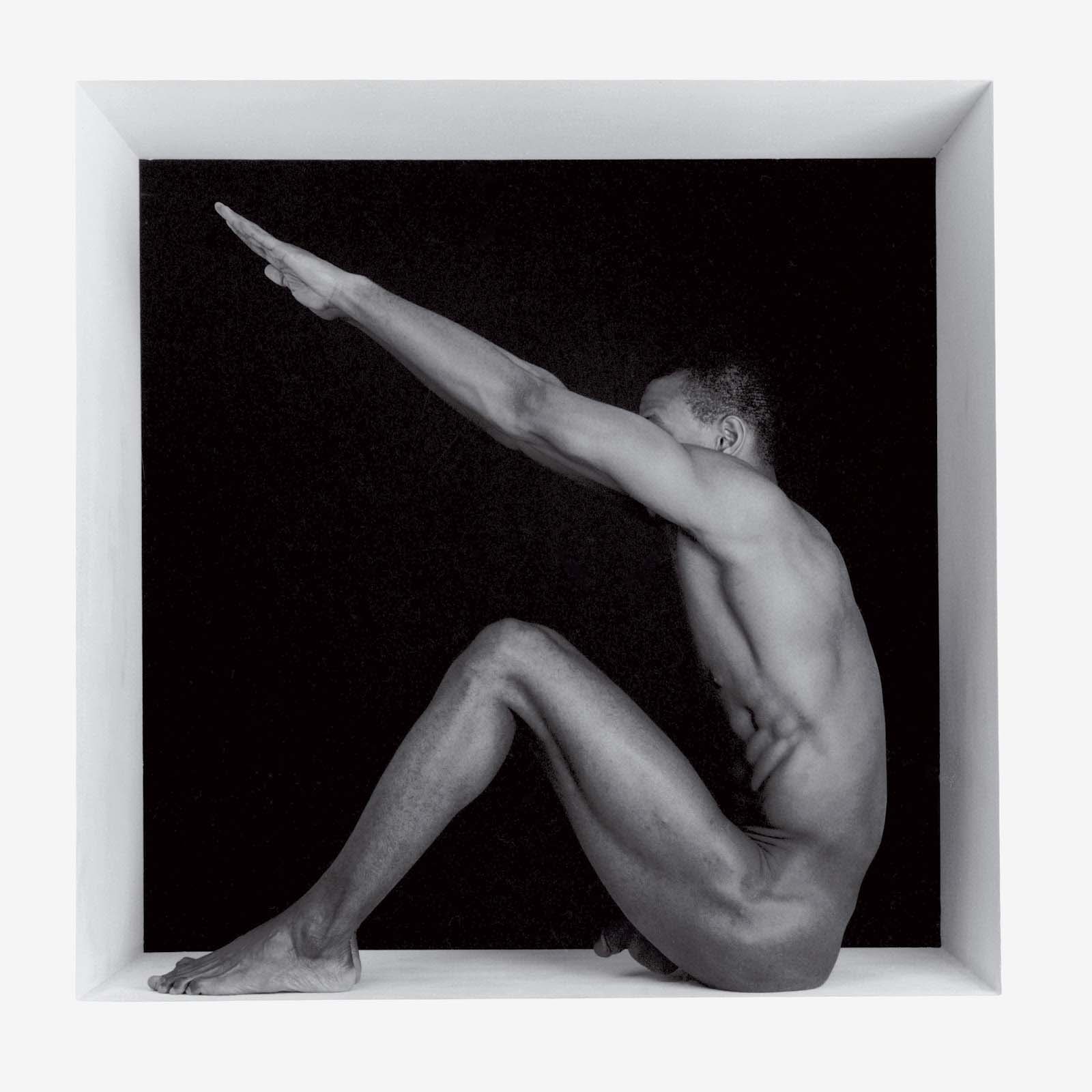
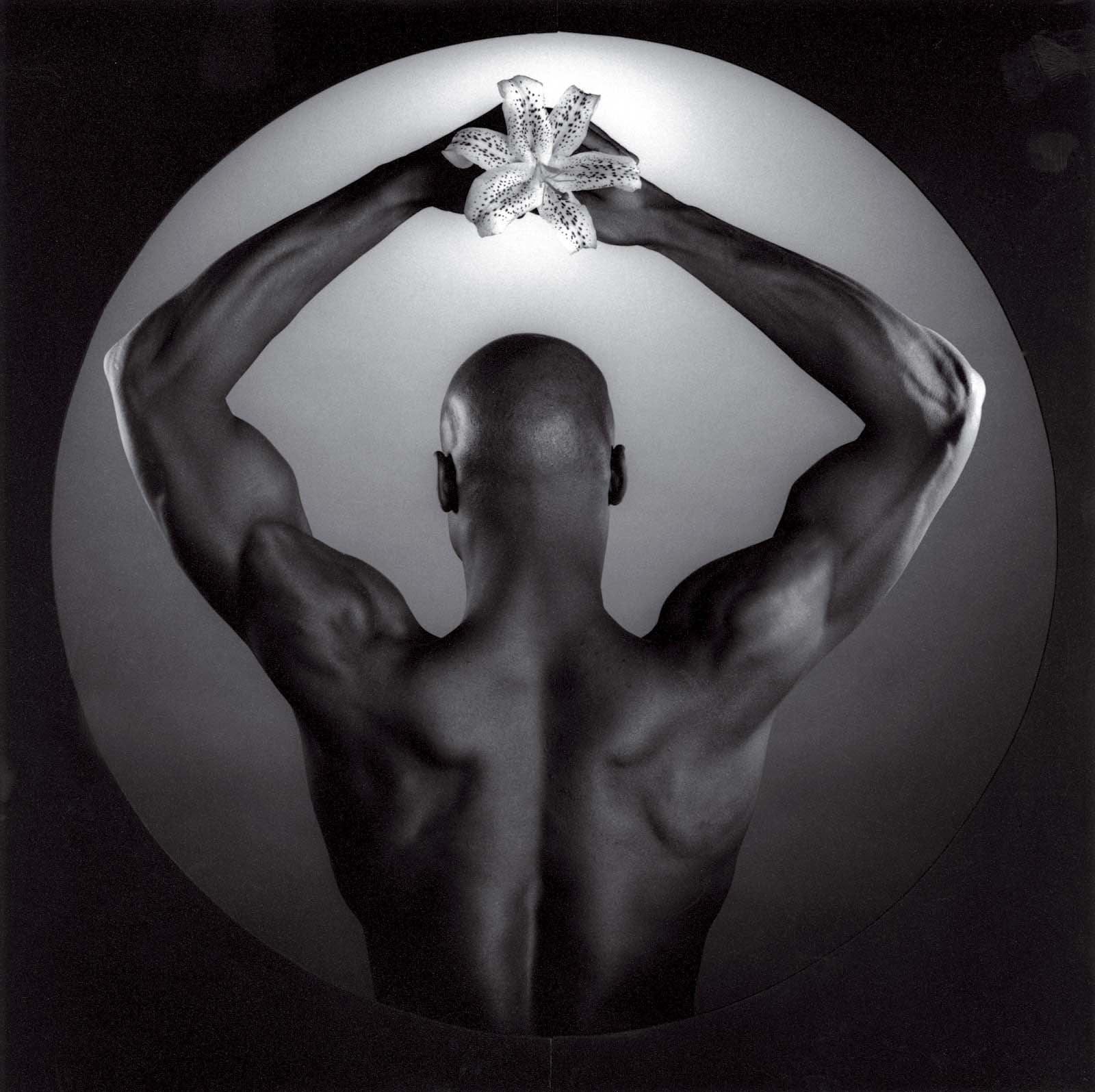
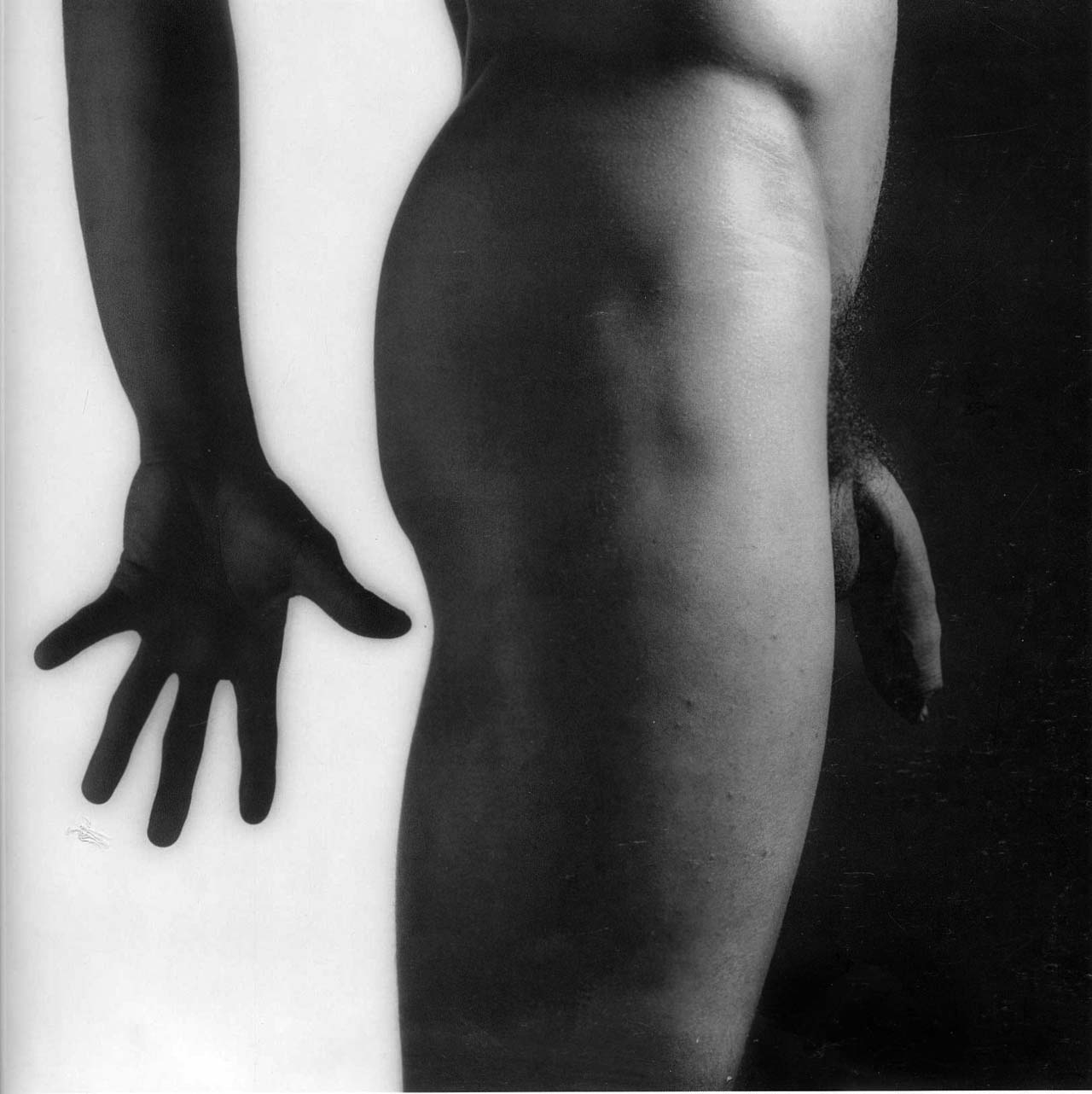
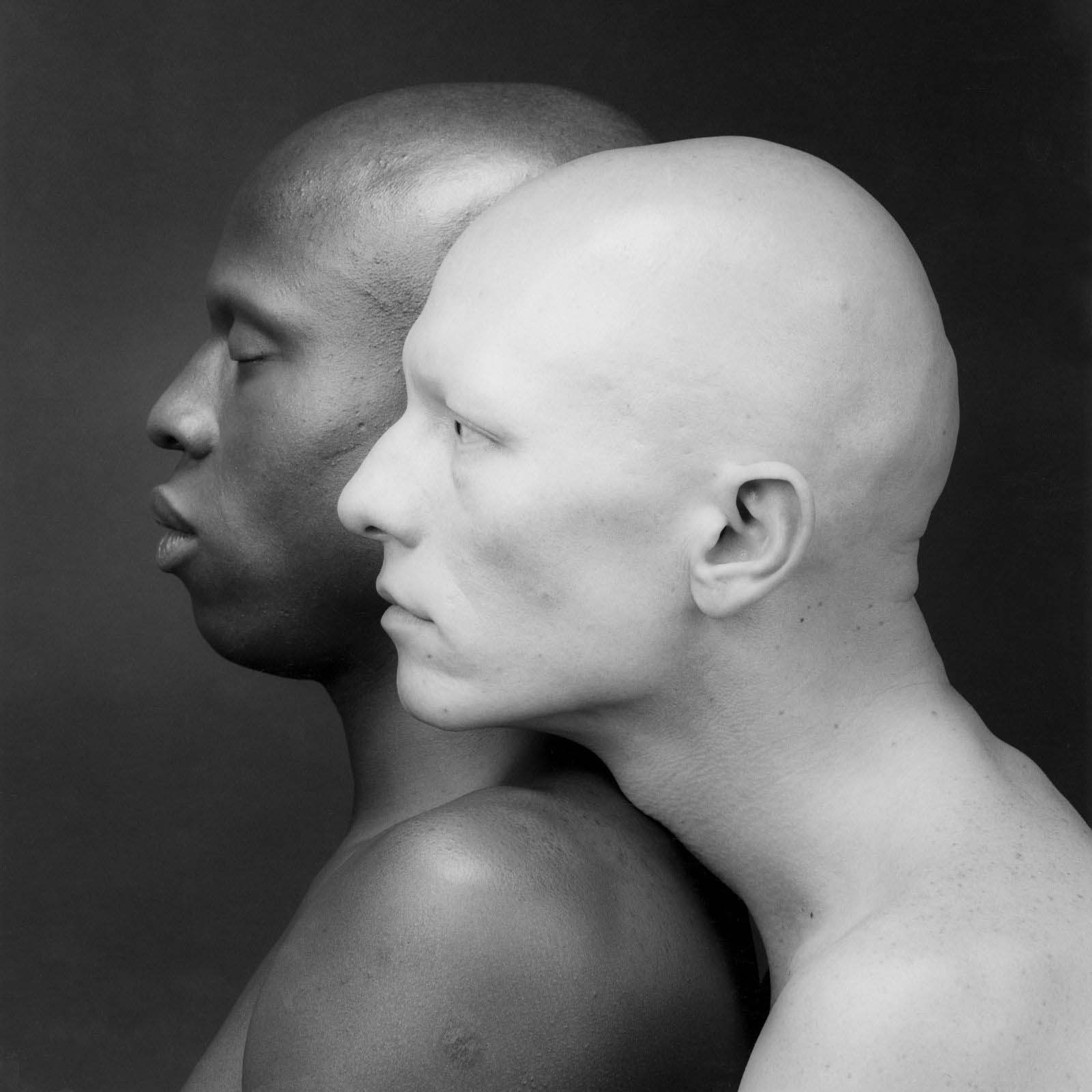
Some of his Photos

You might also like