(MArch, 24, 1886 – January, 1, 1958)
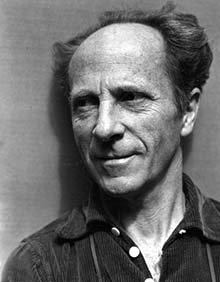 Edward Weston He was an American photographer who was characterized by using a plate camera with an 18 X 24 cm format and using the foreground on natural subjects to obtain unusual shapes.1 He was one of the most important photographers in direct photography and co-founder of the f/64 Group.
Born on March 24, 1886 in Highland Park, from an early age he stood out for his artistic work in black and white photography, although at the beginning he fit into pictorialism. In 1911 he opened a portrait studio in Glendale and in 1914 he was a founding member of the Los Angeles Camera Pictorialist however in the 1920s he evolved into more abstract photography. In 1921 he met Tina Modotti who became his lover and for that reason between 1923 and 1925 he kept a study in Mexico and was related to the artistic movements of the moment. The influence of his friend the painter Diego Rivera brought about a complete change in his style.
On April 12, 1924, he exhibited a series of photographs with an industrial theme in the Café de Nadie, during the Estridentista Evening, where the experimental artists of various nationalities who at that time were working or visiting the city gathered. from Mexico. He collaborated in Stridentism through publications in the Stridentist magazines Irradiador and Horizonte. During his stay in Mexico, he kept friends with Manuel Álvarez Bravo, Nahui Ollin and Frida Kahlo.
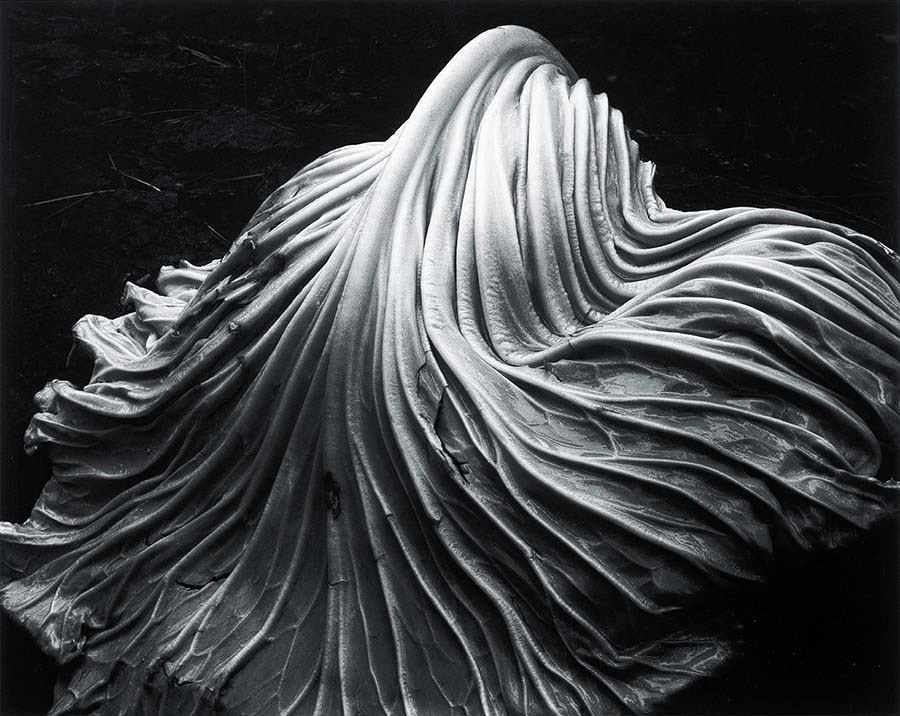
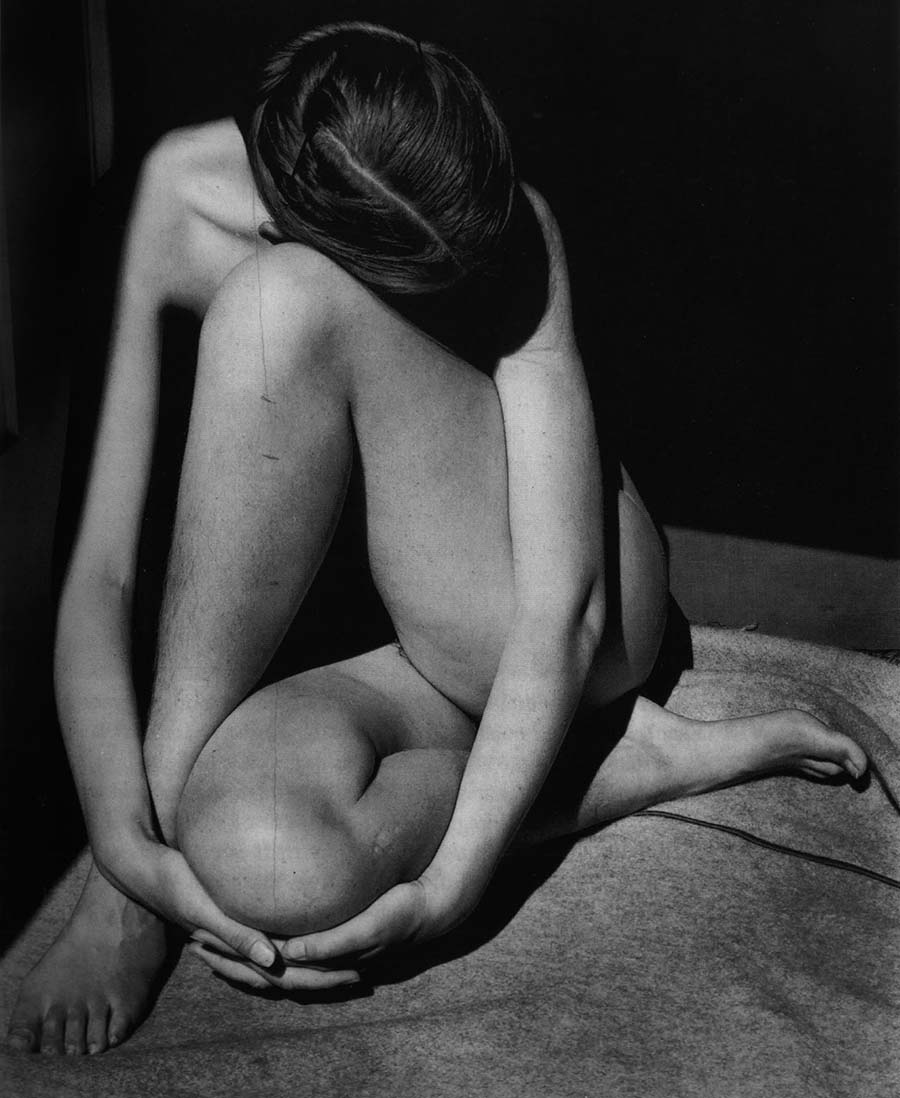
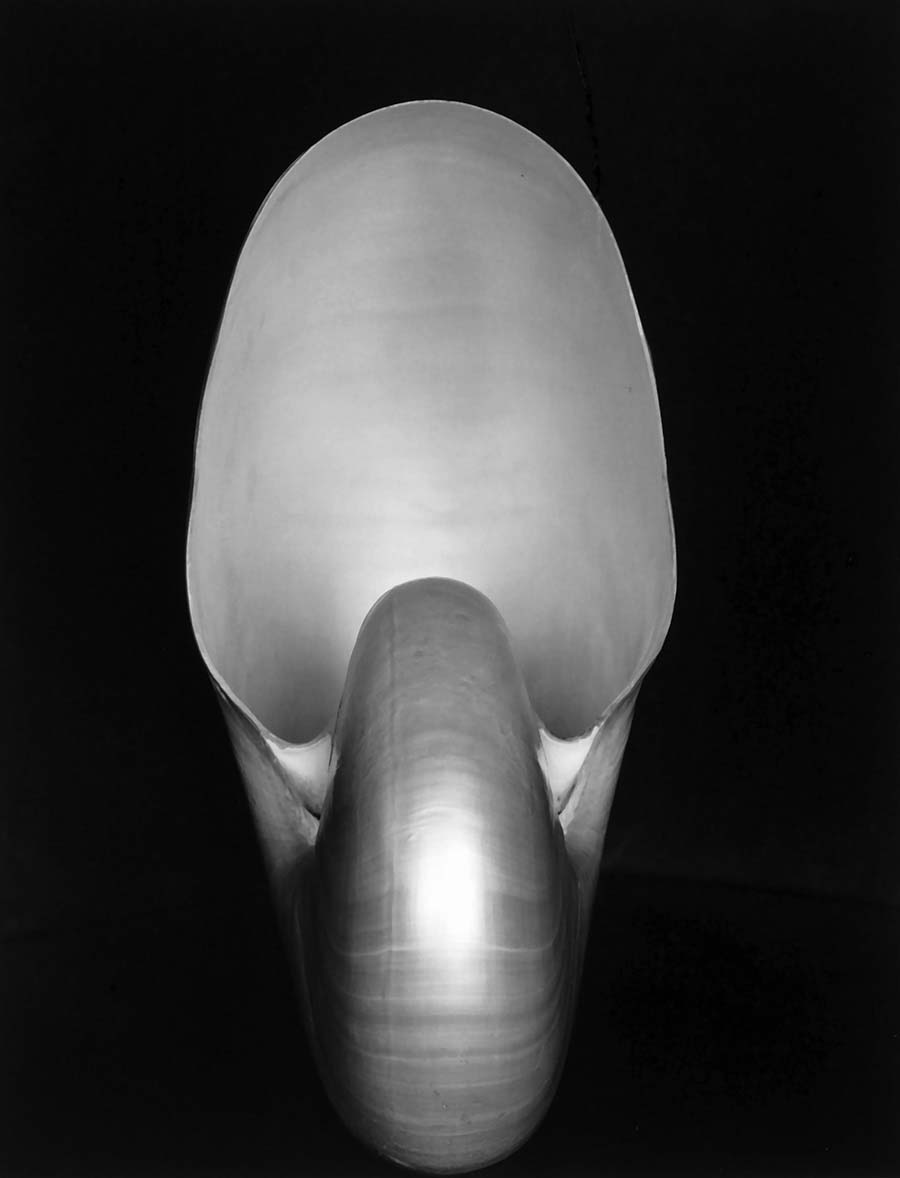
In 1927 he returned to California installed shortly after a new studio in Carmel with the collaboration of his son Brett. In his photographic works he is already beginning to use a great depth of field and a high level of focus in landscape scenes and in his portraits and especially in close-ups of unusual natural forms, which were what later made him famous. . Most of his work was done in an 8×10-inch bellows camera, which allowed him greater clarity and definition in photographs and to obtain copies on paper by contact. In 1932 he is a founding member of the f / 64 group that proposes this aesthetic close to realism, which faces the pictorialist conception of photography.
In 1937 he obtained a grant from the Solomon R. Guggenheim Foundation, which was the first to be given to a photographer. His partner Charis Wilson lived with him from 1934 to 1945, the year he divorced, and during that time he carried out several commissioned works such as the illustration of Leaves of Grass by Walt Whitman, or collaborations with Willard Van Dyke or Nancy Newhall.
His last photographs were taken in the Point Lobos reserve in 1948 and by that time he was already affected by Parkinson’s disease. He died at his Wildcat Hill home in the Carmel Highlands in Big Sur, California on January 1, 1958.
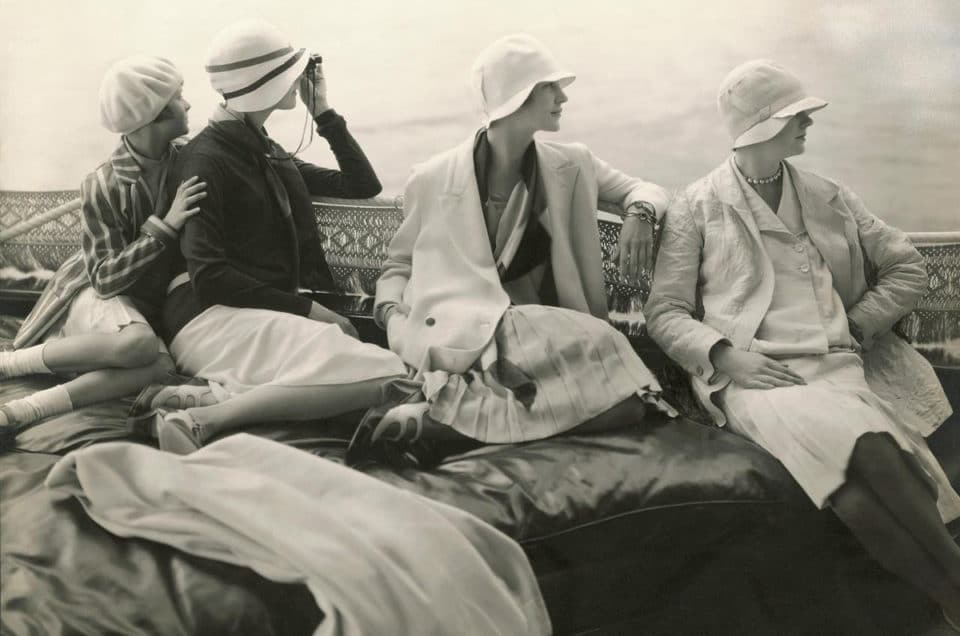
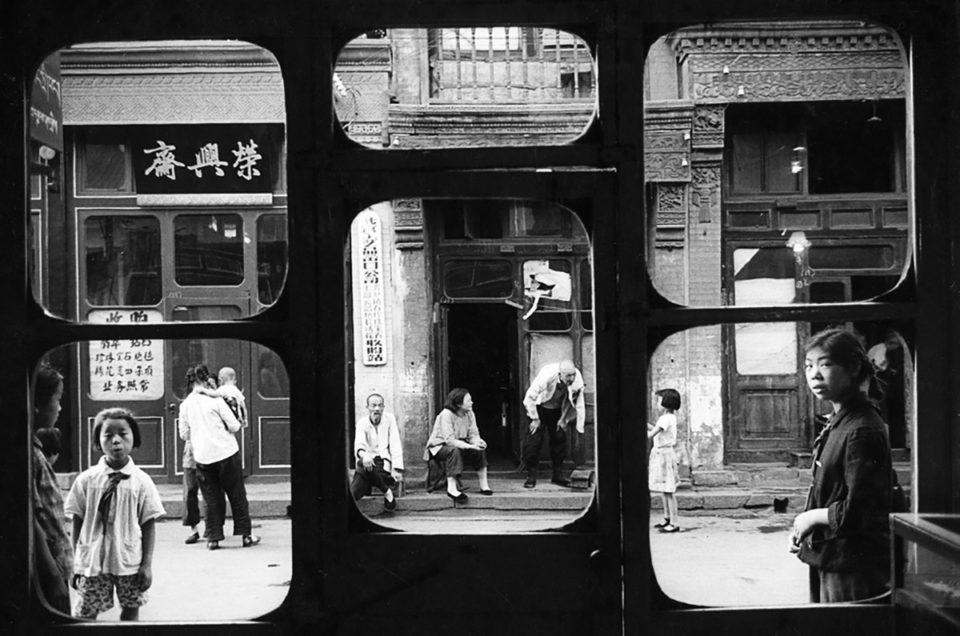
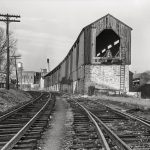
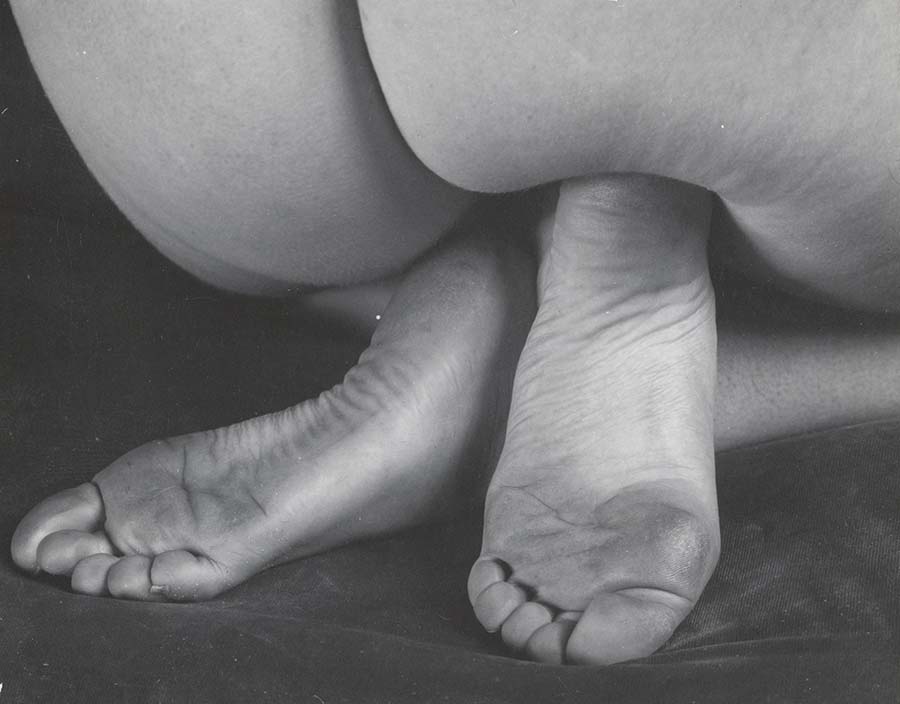
Some of his Photos


You might also like