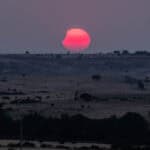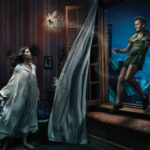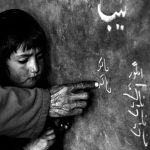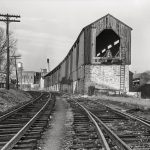
(January, 10, 1938, Czechoslovakia)
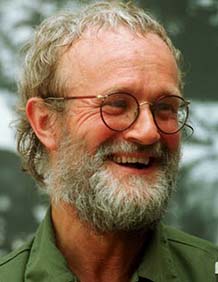 Josef Koudelka is a photographer born in Czechoslovakia and French nationalized.
Josef Koudelka was born on January 10, 1938 in the Moravia region, Czechoslovakia. He became interested in photography at the age of twelve thanks to a certain Mr. Dycka, a baker by trade, an amateur photographer and a friend of his father. His first photographs are of his family environment and to take them he uses a 6×6 Bakelite camera. In 1956 he moved to Prague to start his career in aeronautical engineering. During the years of his studies, he meets photographer Jiri Jenicek, who encourages him to put together a series of photography for his first exhibition in 1961 at the Semafor Theater in Prague. During the inauguration he meets Anna Fárová, a friend and collaborator throughout his life.
During the sixties he combines his engineering work in Prague and Bratislava with photography, which takes up more and more time. Thus, he collaborates sporadically with the magazine Divadlo (theater) and his interest in traditional and Roman music leads him to make gypsies his main photographic subject.
In 1965 he was invited by the director of the Divadlo za branou (Theater behind the bridge) to photograph theatrical shows. And together with Marieta Luskacová, she undertakes several trips through eastern Slovakia in order to photograph religious celebrations.
In 1966 the first photo book of Koudelka was published, containing the series of the work of Alfred Jarry Ubu Rey, which had been staged by Jan Grossman.
In 1967 he decides to leave his job as an engineer to dedicate himself exclusively to photography. At that time he enrolled in the Czechoslovak Union of Artists and received the association’s annual award for “the originality and quality of his theater photographs.”
Exhibits for the first time the photographs of gypsies taken in 1961 and 1967 under the label of Cikáni. The following year he traveled to Romania to continue his project on the Roma lifestyle and returned to Prague the day before the invasion of Czechoslovakia by the troops of the Warsaw Pact began. Throughout the following days he photographs the confrontation between the Soviets and the Czechoslovaks. These photographs will leave Czechoslovakia in 1969 through Anna Fárová and will be distributed by the Magnum Agency, then chaired by Elliott Erwitt, to the most internationally relevant magazines and newspapers (Look, The Sunday Times Magazine and Epoch) without mentioning the name of its author to protect it from possible retaliation. This visual story “from a Czech photographer” will earn him the Robert Capa Award from the Overseas Press Club.
In 1970 he leaves Czechoslovakia with a three-month visa to continue photographing gypsies, this time in western Europe. When the visa expires, she decides not to return to her country, becoming from that moment stateless. Until 1980, thanks to England’s political asylum, he established his residence in London and dedicated himself to touring various European countries photographing popular celebrations, daily scenes and gypsies.
In 1971, Elliott Erwitt proposed to join the Magnum Photos cooperative and Koudelka agreed to become an associate member. It is then when he meets Henri Cartier-Bresson and the editor and photographer Robert Delpire, with whom he will maintain a very close relationship. Koudelka acknowledges that working with Robert Delpire he learned photography more than ever in his life and that this is the person who knows his work best, which is helped by the fact that he is the editor of most of Koudelka’s books.
The Museum of Contemporary Art of New York (MoMA) pays tribute to the photographer by organizing an individual exhibition with the title of Josef Koudelka. And in that same year, 1975, Robert Delpire published in Paris the book Gitans: la Fin du Voyage (Gypsies: the end of the journey), which will receive the Nadar Prize three years later.
In 1980 he left England to settle in France, but until 1987 he did not nationalize French. In 1986 he was invited by the DATAR Mission Photografique to join, along with other photographers, a project whose objective is to document the diversity of landscapes, both urban and rural, in France. After trying to take photographs in Paris, Normandy and Brittany, he decided on the Lorraine region, where the restructuring of the metal industry was producing major changes on the ground. With this experience, he will begin to systematically use panoramic cameras, since he had already been making panoramic photography since 1958.
To this day, Josef Koudelka has received prestigious awards in recognition of his work, such as the Cartier-Bresson Prize, the Royal Photographic Society Medal or the Hasselblad Foundation International Prize Award and has been appointed Knight of Arts and Letters by the French Ministry of Culture.
Awards
- Gold medal Robert Capa Award, National Press Photographers Association, USA (1969)
- British Arts Council Grant por su reportaje de Kendal and Southend, UK (1972)
- British Arts Council Grant por su reportaje sobre la vida gitana en Gran Bretaña, UK (1973)
- British Arts Council Grant por su reportaje sobre la vida en las islas británicas, UK (1976)
- Nadar Award (1978)
- The United States National Endowment for the Arts Photography Grant, US (1980)
- Grand Prix National de la Photographie, French Ministry of Culture, FR (1987)
- The Grand Prix National de la Photographie (1989)
- The Grand Prix Cartier-Bresson (1991)
- Premio internacional de la fundación Hasselblad, Sweden (1992)
- Cornell Capa Infinity Award, Centro internacional de Fotografía (ICP), USA (2004)
Bibliography
- Diskutujeme o moralce dneska, 1965
- Kral Ubu, 1965
- Rozbor insenace Divadla Na zabradli v Praze, 1966
- Josef Koudelka, 1968
- Gypsies, 1975
- Josef Koudelka, I grandi Fotografi, 1982
- Josef Koudelka, Photo Poche, 1984
- Josef Koudelka. Photographs by Josef Koudelka. Paris, 1984.
- Exiles, 1988
- Josef Koudelka, Mission Photographique Transmanche, 1989
- Prague, 1968. Centre National De La Photographie, Paris, 1990
- Animaux, 1990
- Josef Koudelka: Fotografie Divadlo za Branou 1965-1970, 1993
- Josef Koudelka. Photographs by Josef Koudelka, Hasselblad Center, 1993
- The Black Triangle, 1994
- Reconnaissance: Wales, 1999
- Chaos, 2000
- Lime Stone, 2001
- En Chantier, 2002
- Josef Koudelka. Torst 2003
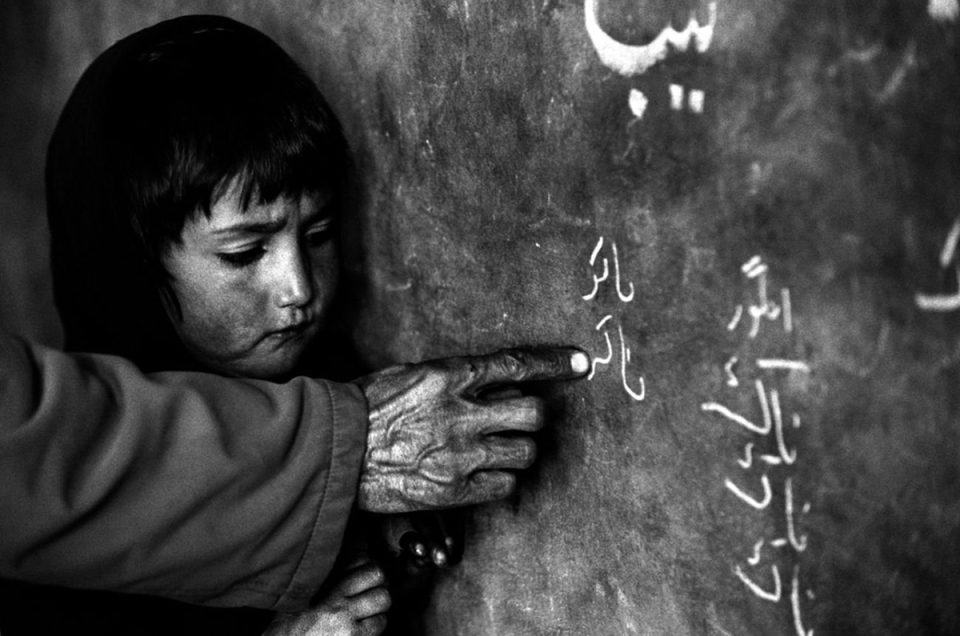
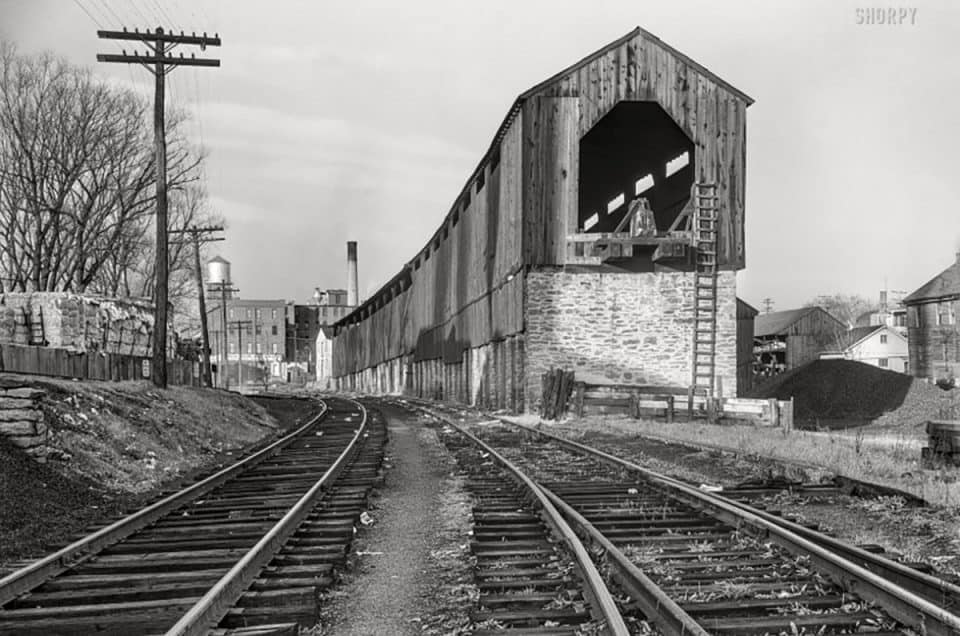
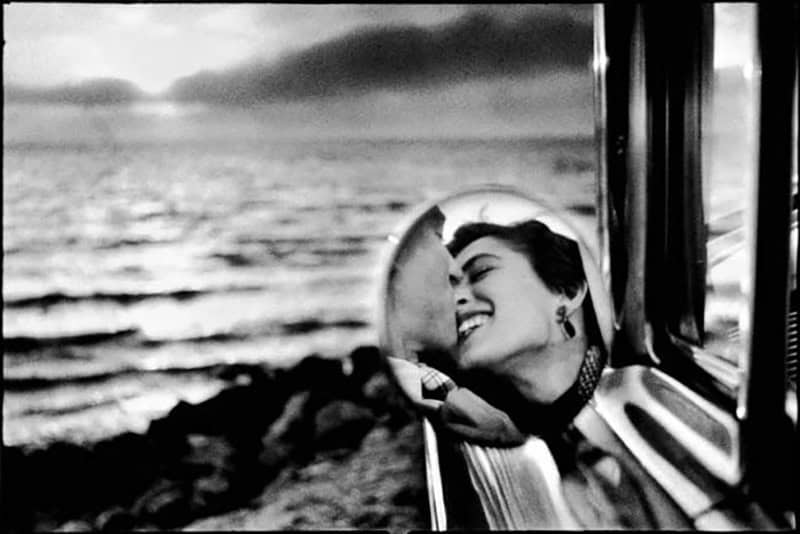
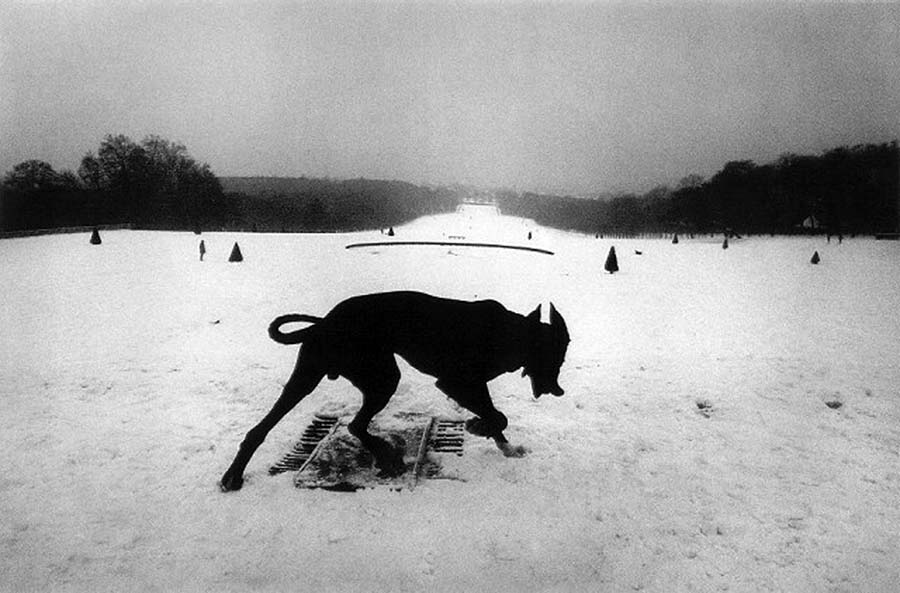
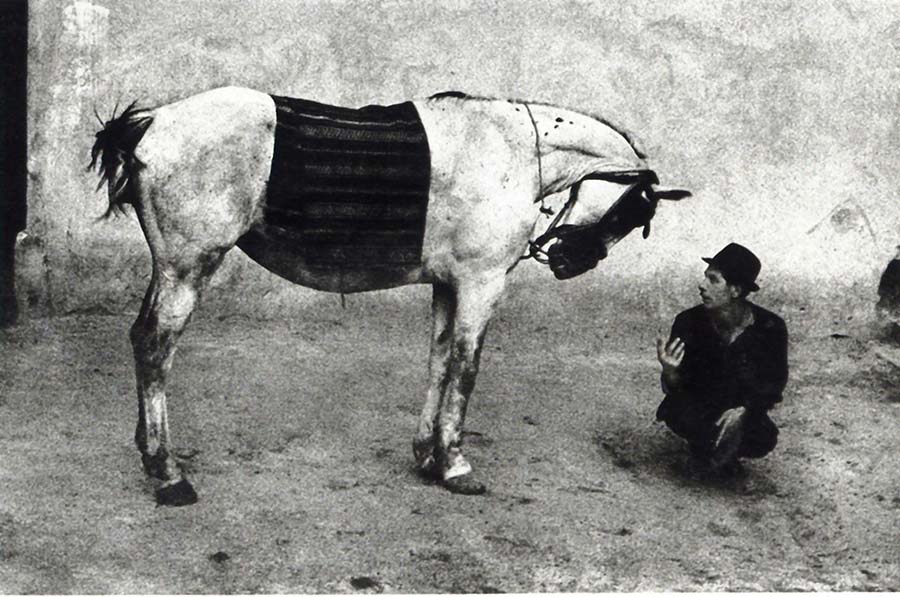
Some of his Photos
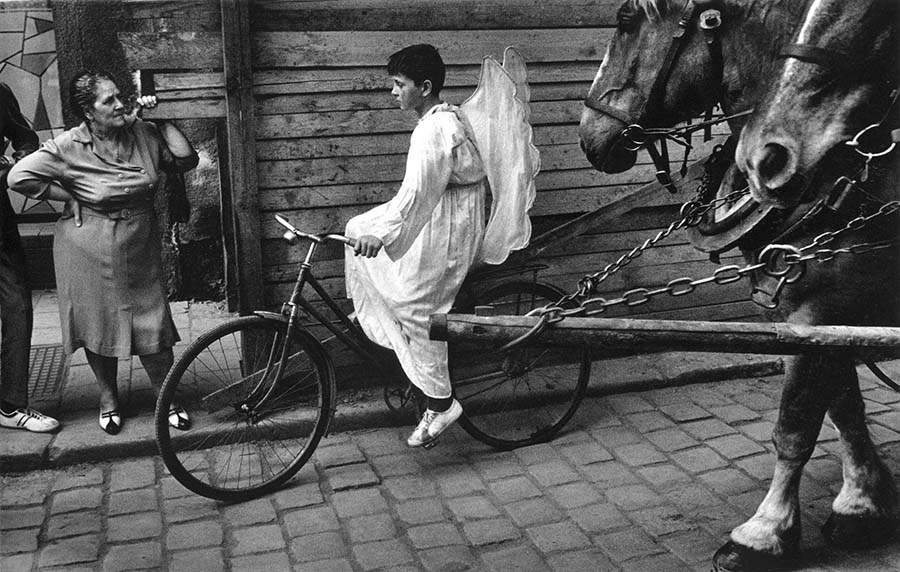
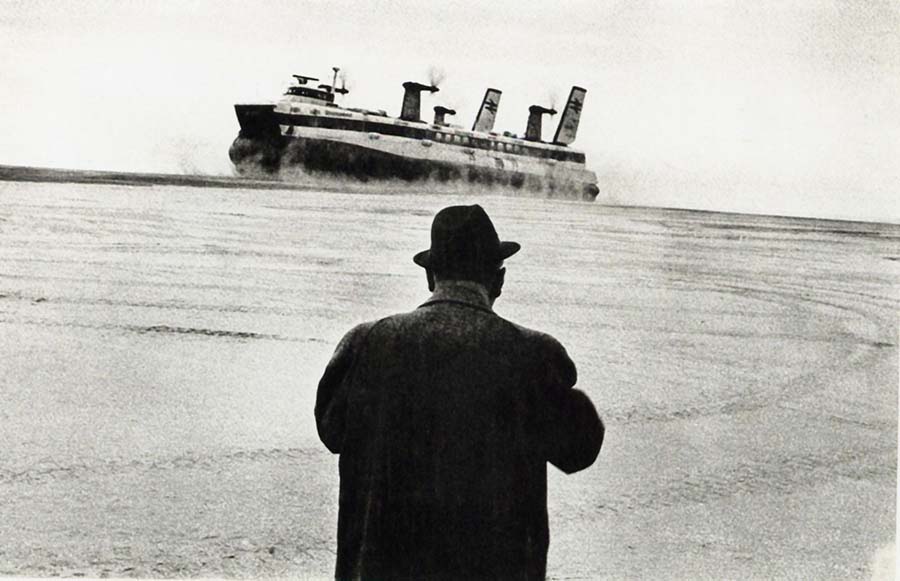
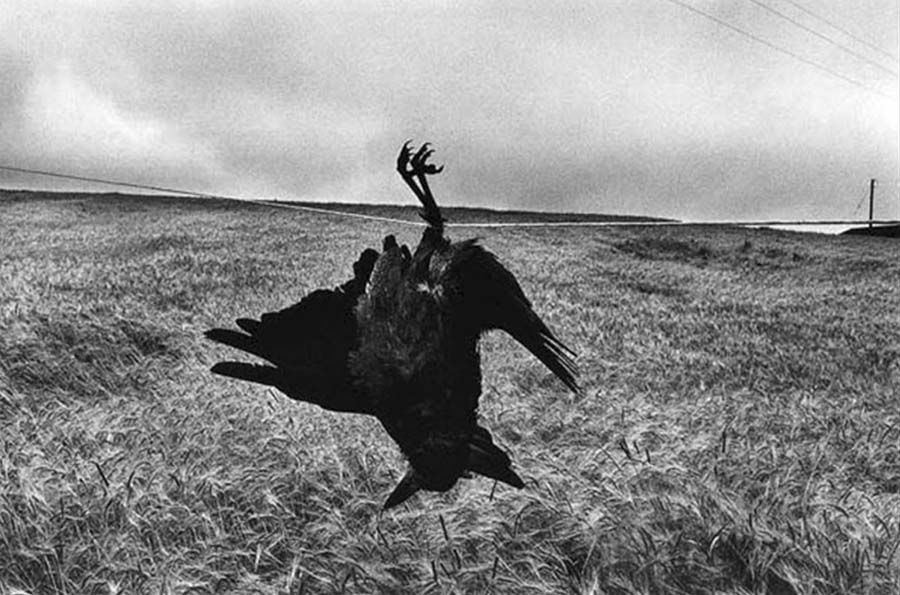

You might also like