( 4 febrero 1902, Ciudad de México, México – 19 octubre 2002)
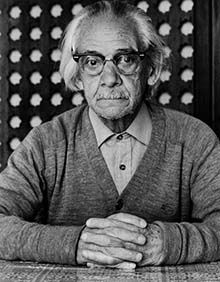 Manuel Álvarez Bravo He was a Mexican photographer and cinematographer. Recognized for capturing the landscape and people of his country with mastery and originality. He worked alongside the Russian filmmaker Sergéi Eisenstein.
His father was a teacher, who occasionally devoted himself to photography and painting. Álvarez Bravo, before dedicating himself to photography was a bureaucrat in various agencies, he tried to study accounting, but in 1915 he began his path towards artistic pursuits and enrolled in the San Carlos Academy to study art and music.
Despite these studies, Álvarez Bravo has always been considered self-taught. His first important influence in the universe of images was in 1923 when he met the German photographer Hugo Brehme, who encouraged him to buy his first camera. By 1925 he won his first prize in a local contest in Oaxaca. Thus began the story of one of the fathers of Mexican photography. In the same year, he married Lola Álvarez Bravo (whose real name was Dolores Martínez de Anda and who years later assumed the same profession and would artistically take his last name).
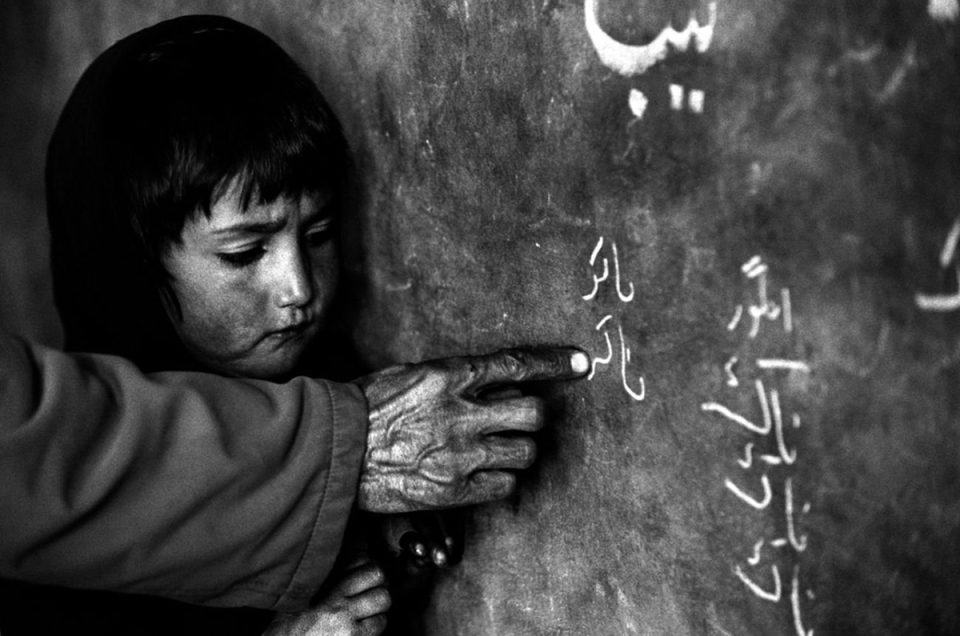
At that time he met Tina Modotti, Diego Rivera and Pablo O’Higgins, among others. These friendships stimulated him ideologically and politically towards the social charism that distinguishes all his work: capturing Mexican culture and identity, with a vision that goes beyond simple documentation, entering with great imagination into urban and village life, the fields, the religion, the landscape and the traditions.
In 1930 Tina Modotti was expelled from Mexico for her communist affiliations, and she inherited Álvarez Bravo her work in the Mexican Folkways magazine photographing the muralists of the time.
Professional career
That same year he turned completely to the photographic task and in 1932 he made his first individual exhibition at the Posada Gallery. At that time he shared exhibitions with the famous French photographer Henri Cartier-Bresson in the rooms of the Palace of Fine Arts in Mexico City, fascinating André Bretón, who discovered in his work an innate surrealism. Friendship with Breton bore fruit on the cover of the book “Catalog of the International Surrealist Exhibition” (1939) with texts by Breton and in 1935 an exhibition in Paris that would be momentous in his career.
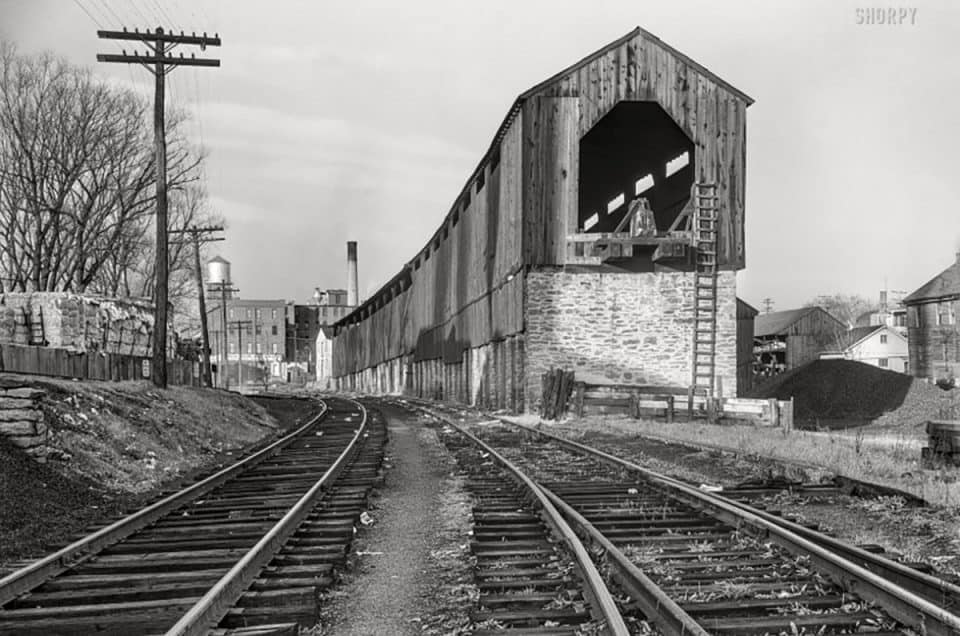
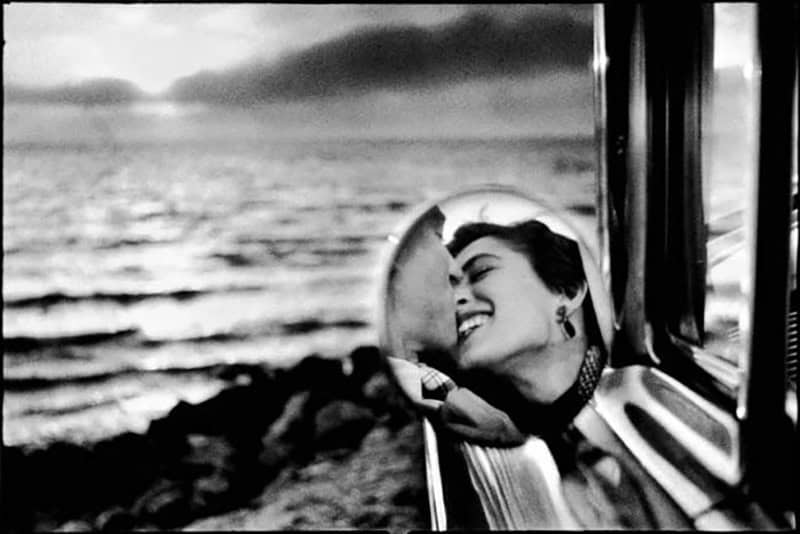
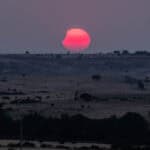
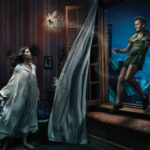
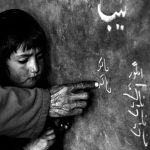
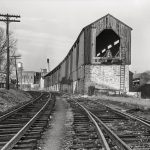
In 1936 he exhibited at the Hippocampus Gallery of the Mexican poet Xavier Villaurrutia. During this period he delved into the experience of new solutions that completely separated him from the visual language developed by the lens artists that preceded him, using elements that place greater emphasis on the ability to evoke images, through the suggestive titles of his photographs, based on Mexican culture and tradition, denoting great insight and sometimes a fine sense of humor.
The forties marked the beginning of Álvarez Bravo in the world of cinema with! Que Viva México! (Eisenstein, 1930), and participated in filming with personalities such as John Ford and Luis Buñuel. Likewise, in 1944, he was the director of the feature film Tehuantepec, and of the short films Los tigres de Coyoacán, The daily life of dogs, How Much Will the Darkness Be? (with the writer José Revueltas) and El obrero (with the also writer Juan de la Cabada). It is in this decade when he consolidates his artistic maturity (which still lasts), through resources such as juxtaposition, isolation of details and ordering with geometric rigor. This resulted in the simultaneous handling of the familiar and the unexpected, generating an ambiguity that invites the viewer to see everyday things with new eyes and to construct their own meaning. He passed away on October 19, 2002 at the age of 100.
Awards
During a long national and international career, Álvarez Bravo accumulated experiences, awards, recognitions, exhibitions, even much of his work consisted of gathering and publicizing important photographic collections, as well as the creation of the First Museum of Photography in Mexico. Among its awards, the following stand out:
- Premio Elías Sourasky en Artes.
- Premio Nacional de Ciencias y Artes en el área de Bellas Artes por el gobierno de México en 1975.
- Condecoración oficial de la Ordre des Arts et Lettres Français, por Francia en 1981.
- Premio internacional de la fundación Hasselblad por Suecia en 1984.
- Master of Photography del ICP en Nueva York, Estados Unidos en 1987.
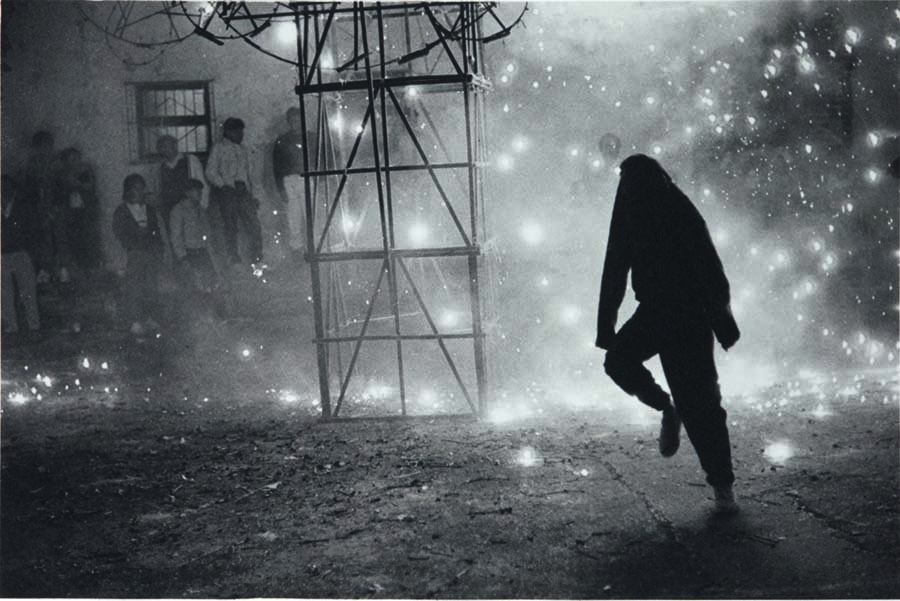
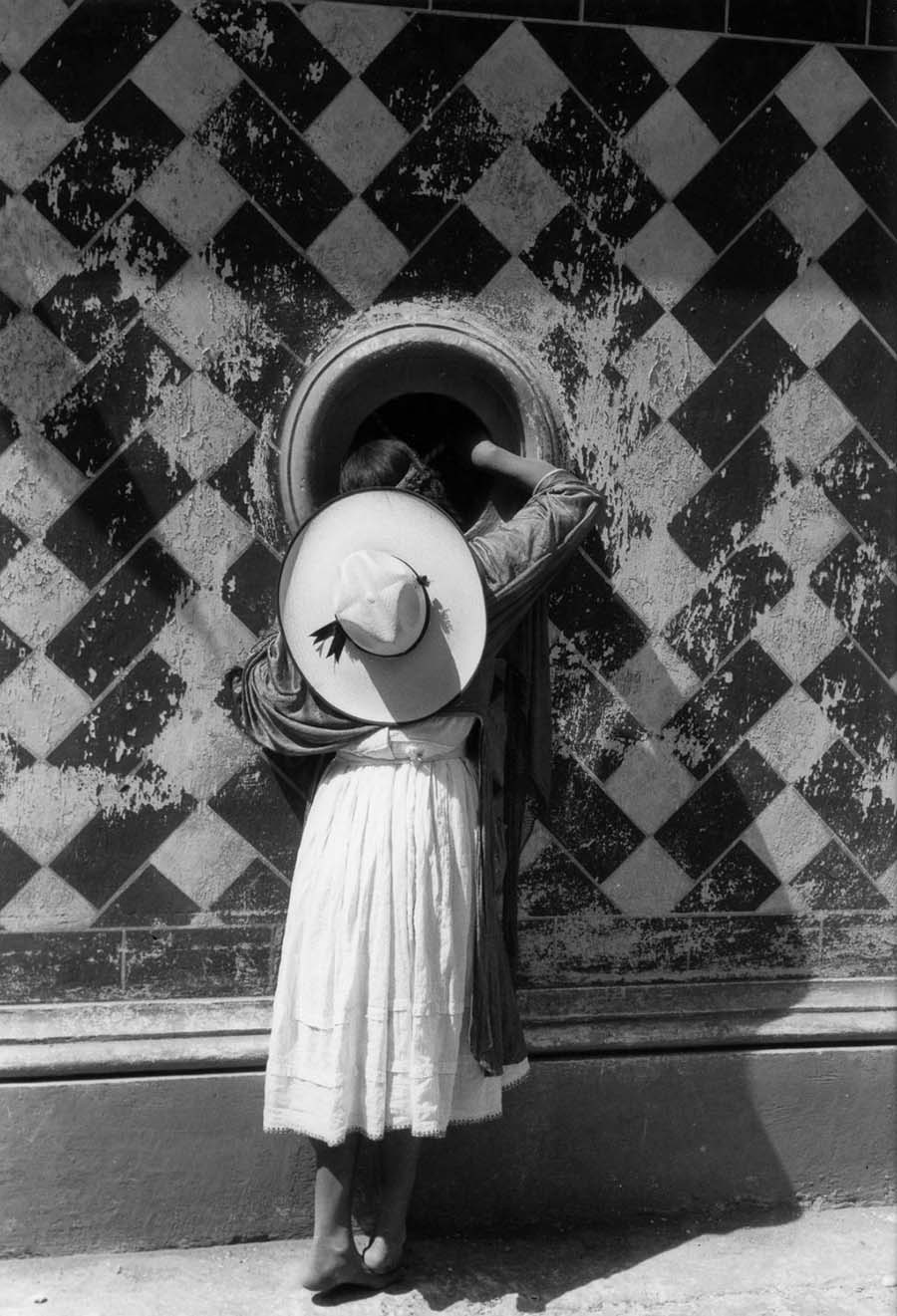
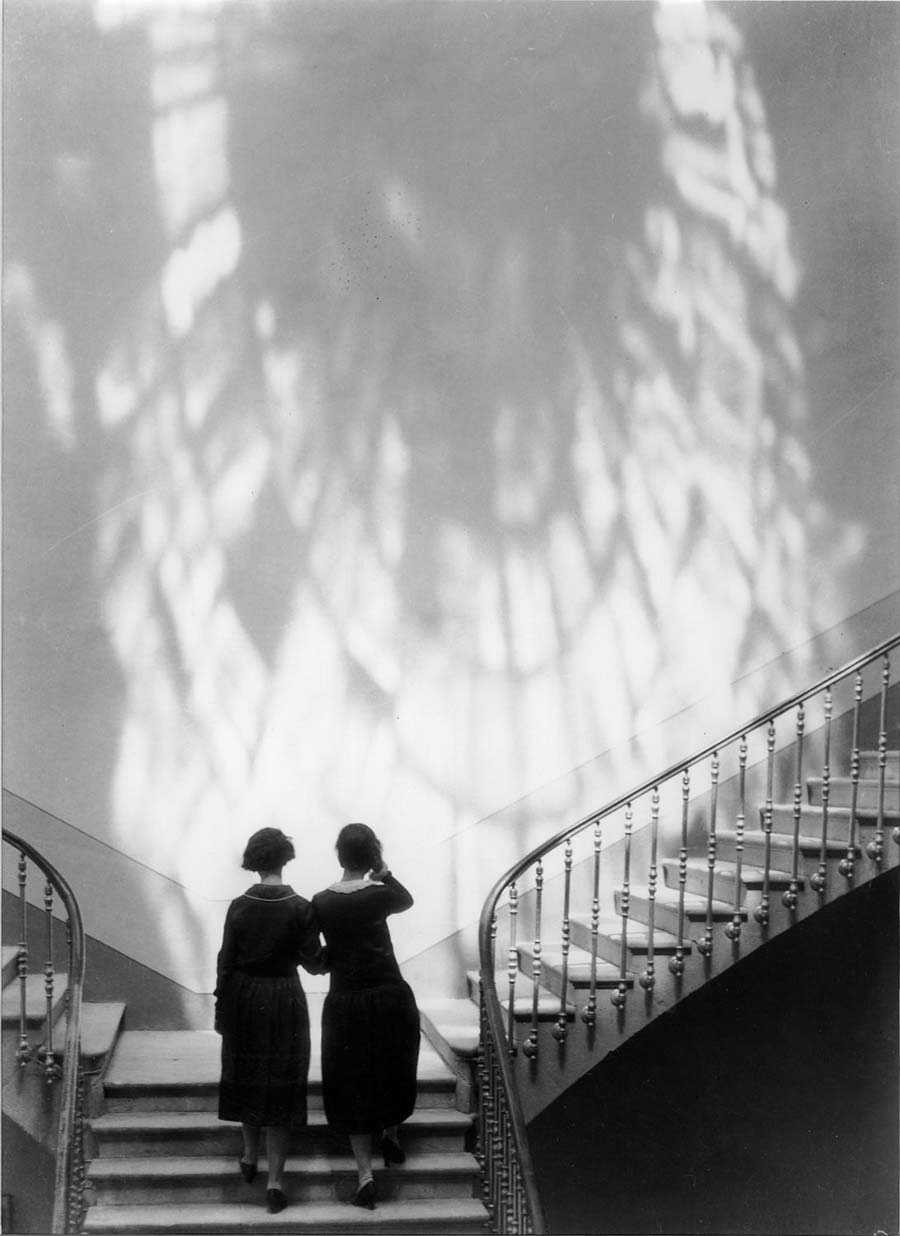
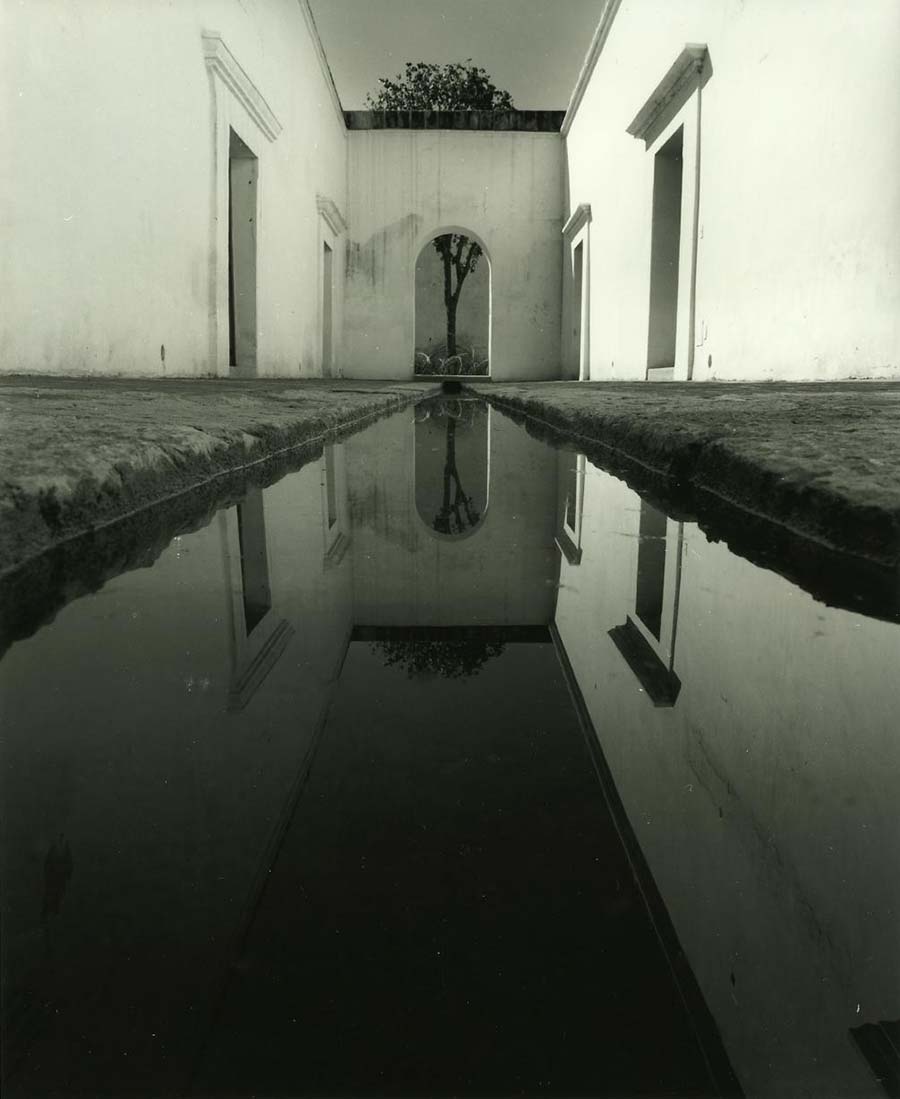
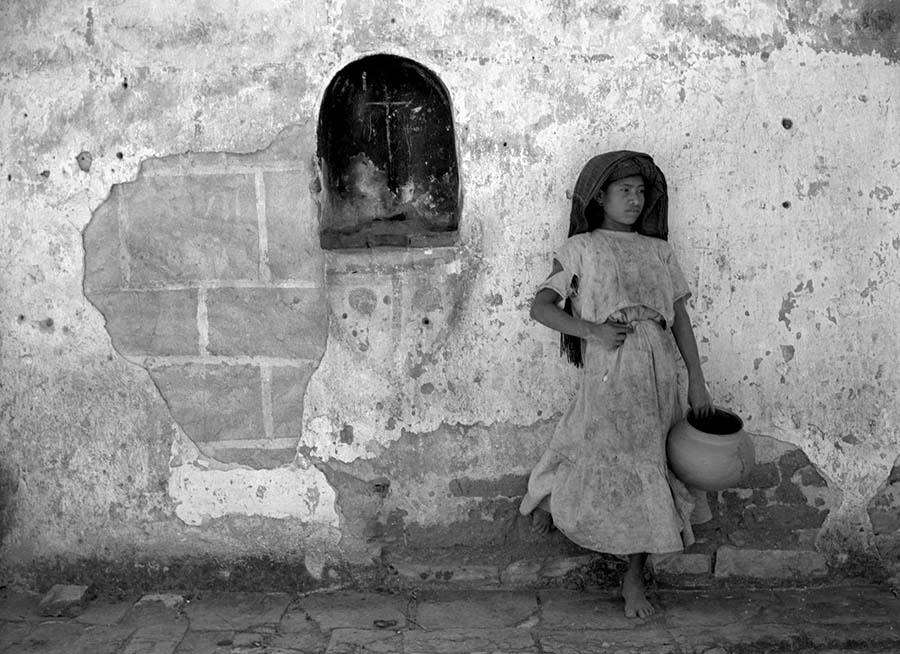
Some of his Photos

You might also like