( September, 1933, Chicado, USA )
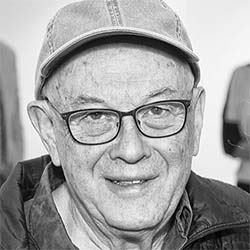 Bruce Landon Davidson He is an American photographer from a family of Polish Jews. At age 10, his mother built him a dark room in the basement and began taking pictures. At age 15 he had his first Kodak camera. He worked at Austin Camera where he met many reporter photographers who taught him a lot about the photographic technique. His artistic influences include Robert Frank, Eugene Smith, and Henri Cartier-Bresson.
At age 19, Davidson earned his first national recognition for his photography, the 1952 Kodak National High School Photographic Award, for a photo of an owl.
Since 1951, Davidson attended the Rochester Institute of Technology, where he used a second-hand Contax to take photos and continued his graduate studies at Yale University, studying philosophy, painting and photography with graphic designer Herbert Matter, photographer and designer Alexey Brodovitch. , and artist Josef Albers.
After a semester at Yale, Davidson entered the US Army. USA in the Signal Corps at Fort Huachuca, Arizona . He worked as an assistant to the group of photographers at the post. Initially, he was assigned routine photographic tasks, but a local newspaper editor, recognizing his talent, asked him to be permanently assigned to the newspaper. There he honed his talent.
MAGNUM Agency
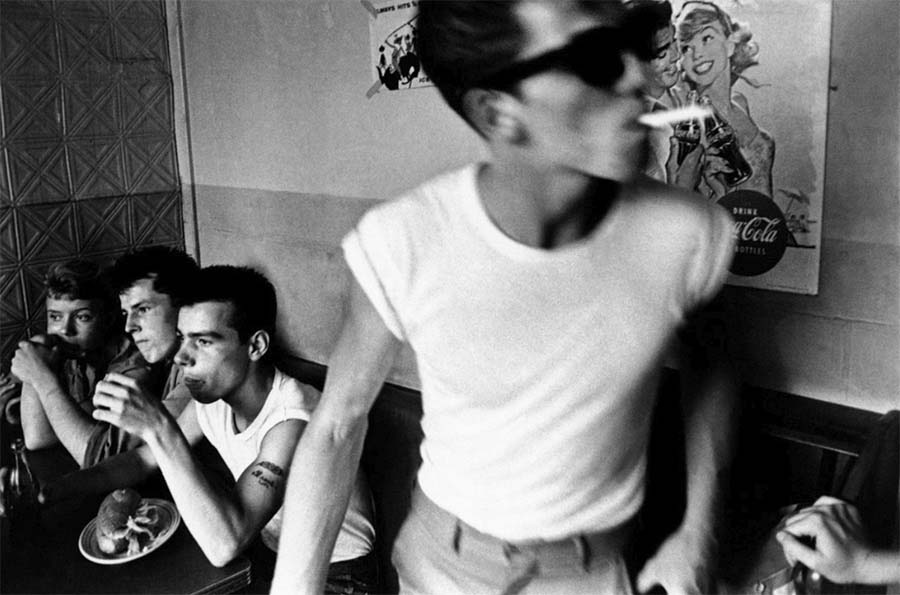
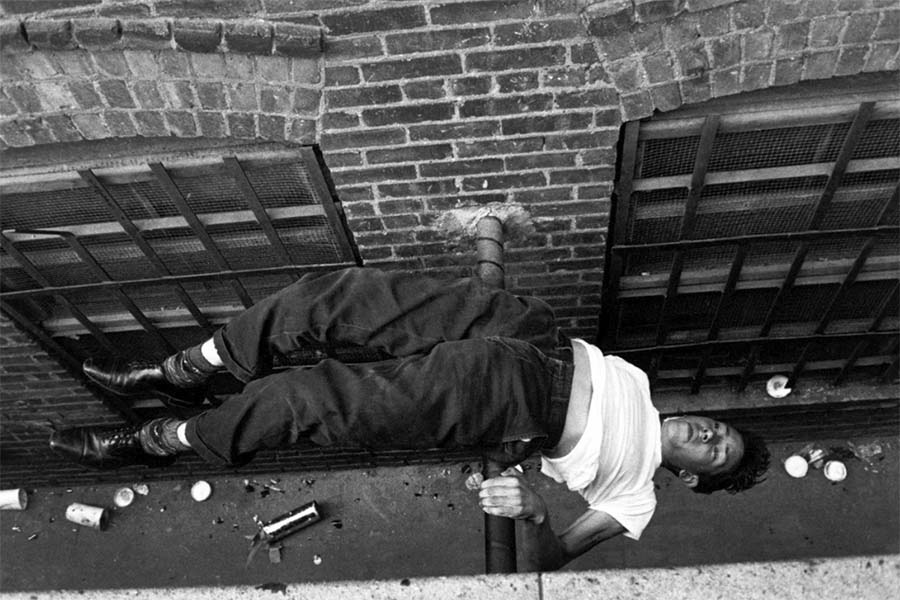
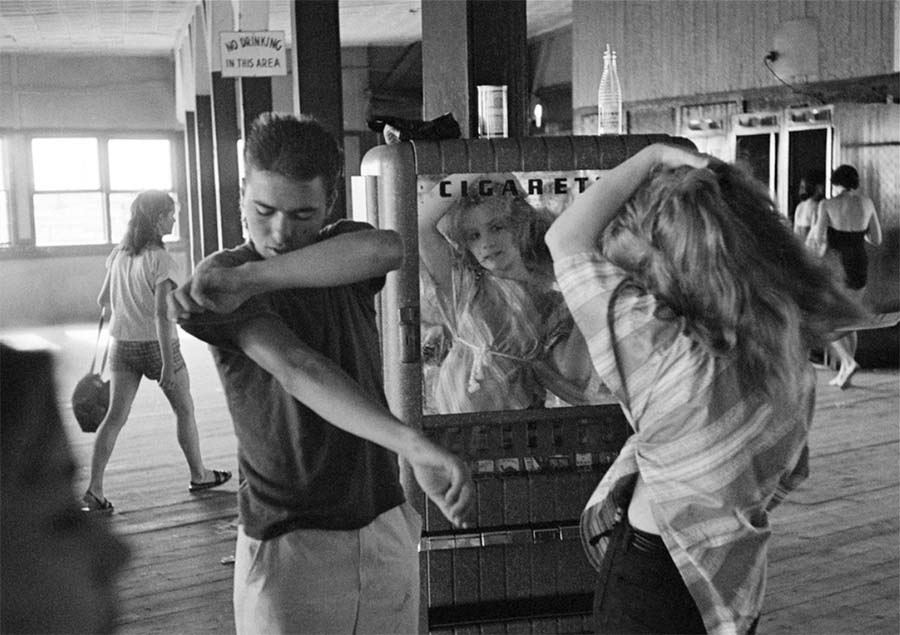
After his military service, in 1957, Davidson worked as a freelance photographer. In 1958, he became an associate member of the Magnum Photos agency and a full member a year later. During the summer of 1959 and coincidentally, through social work, he contacted homeless and troubled teenagers who called themselves the “Jokers”, photographed them for 11 months producing his work Brooklyn Gang .
Through the agency in 1961 he received his first assignment to shoot high fashion for Vogue, and The New York Times assigned him to cover the Freedom Riders in the South. Freedom Riders’ assignment in the south led Davidson to undertake a documentary project on the civil rights movement. From 1961 to 1965, he related his events and effects throughout the country.
President Johnson created the ‘White House Photography Program’, led by John Szarkowski of MoMA, through which Davidson’s project was used to humanize the poor and demonstrate the urgency of government action. In support of the project, Davidson received a Guggenheim Fellowship in 1961 and the project was exhibited in 1963 at the Museum of Modern Art in New York. Completing his documentation of the civil rights movement, Davidson received the first National Endowment for the Arts photography grant of $ 12,000.
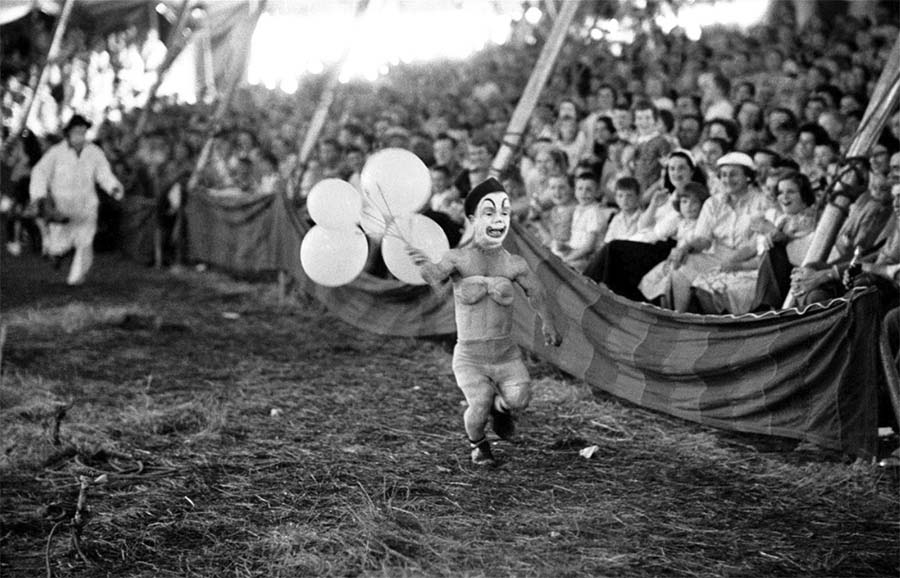
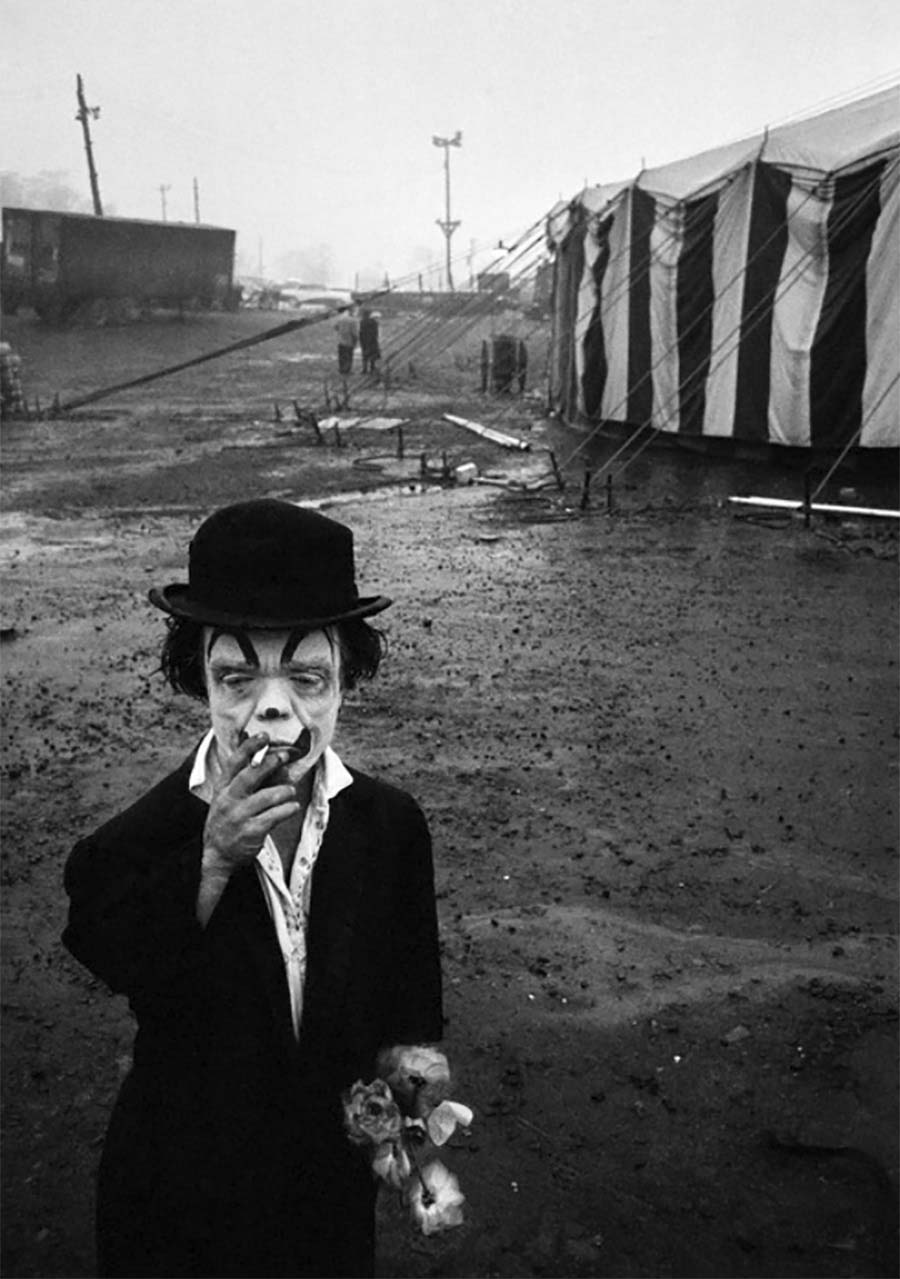
In 1964 Davidson became a professor at the New York School of Visual Arts and continued to produce photos for Vogue; Philip Johnson in his glass house, Andy Warhol in his loft, Cristina Ford in his backyard, etc. He produced a story at a topless restaurant in San Francisco for Esquire (1965), then later in the year he traveled to Wales for a Holiday Magazine assignment to photograph castles and also covered the coal mining industry in South Wales. . Even on his honeymoon in 1967, Davidson photographed the James Duffy and Sons Circus in Ireland, for his Circus series.
Davidson’s next project, published in 1970 as East 100th Street , was to document for two years a visibly poverty-stricken block in East Harlem. Vicki Goldberg and Milton Kramer identify it as the first photojournalism job to be featured as an art book. The project was also exhibited at the Museum of Modern Art in 1970, and project subjects attended the inauguration, after Davidson had already gifted two thousand prints to people on the block.
In 1998, Davidson returned to East 100th Street to document the revitalization, renovation, and changes that occurred in the 30 years since he last documented it. On this visit, he presented a slide show to the community and received an Individual Scholarship Award from the Open Society Institute.
Davidson continues to work as an editorial photographer and collaborates with ICP with Woodstock workshops and conferences. An image from his Brooklyn Gang series was used as the cover of Bob Dylan’s 2009 album Together Through Life.
Awards
- 1949 First Prize, Kodak National High School Competition, Animal Division
- 1961 John Simon Guggenheim Memorial Foundation Fellowship
- 1967 National Endowment for the Arts Grant for Photography
- 1963 Critics’ Award, American Film Festival[vague] (Living Off the Land)
- 1973 First Prize in Fiction, American Film Festival[vague] (Isaac Singer’s Nightmare and Mrs. Pupko’s Beard)
- 1982 National Endowment for the Arts Grant
- 1998 Open Society Institute, Individual Fellowship
- 2004 Lucie Award, Outstanding Achievement in Documentary Photography
- 2007 Gold Medal Visual Arts Award, National Arts Club
- 2011 Outstanding Contribution to Photography Award at the 2011 Sony World Photography Awards
- 2018 Infinity Award Life Time Achievement, the International Center of Photography
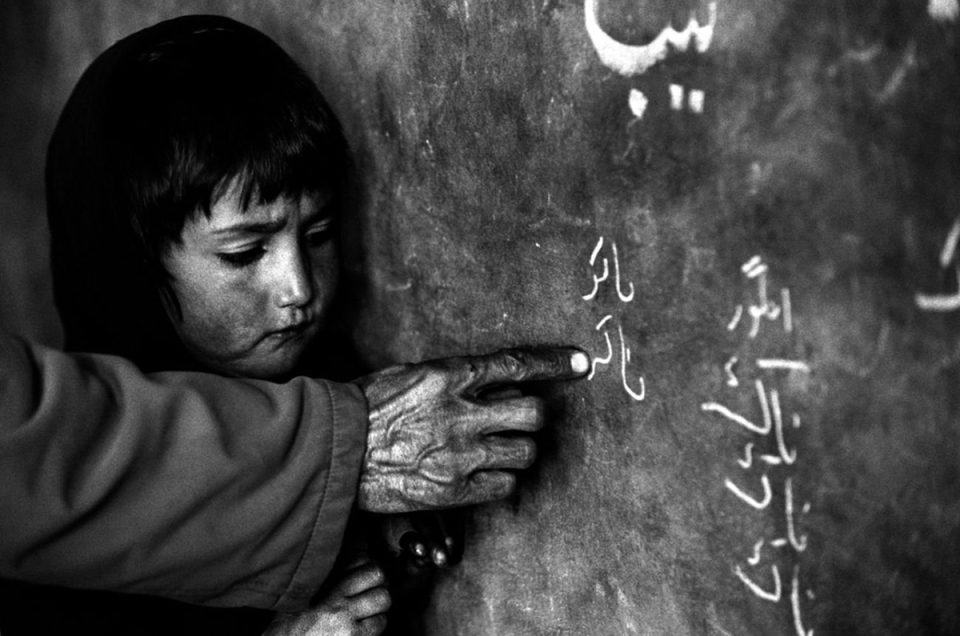
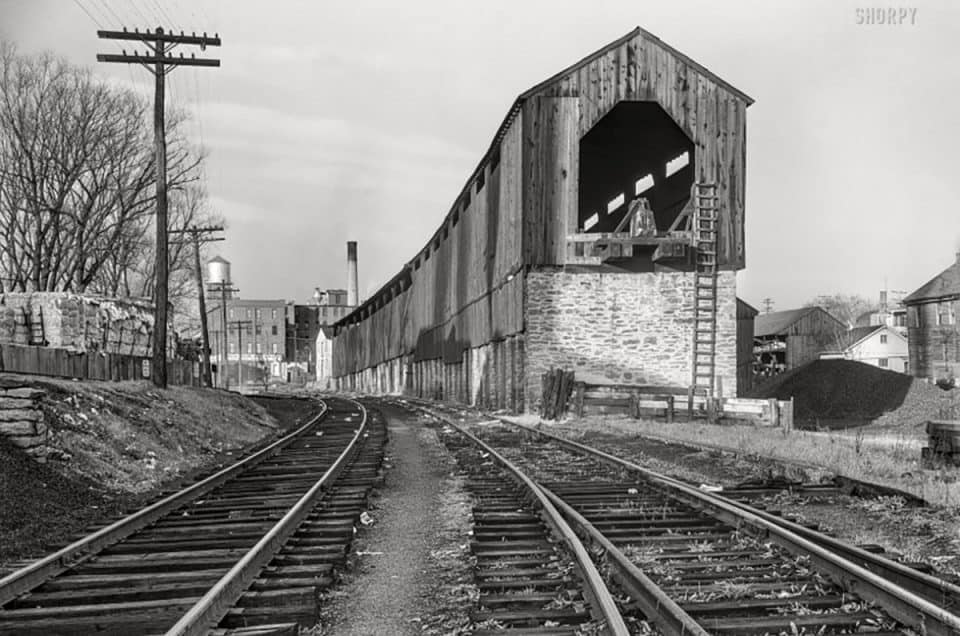
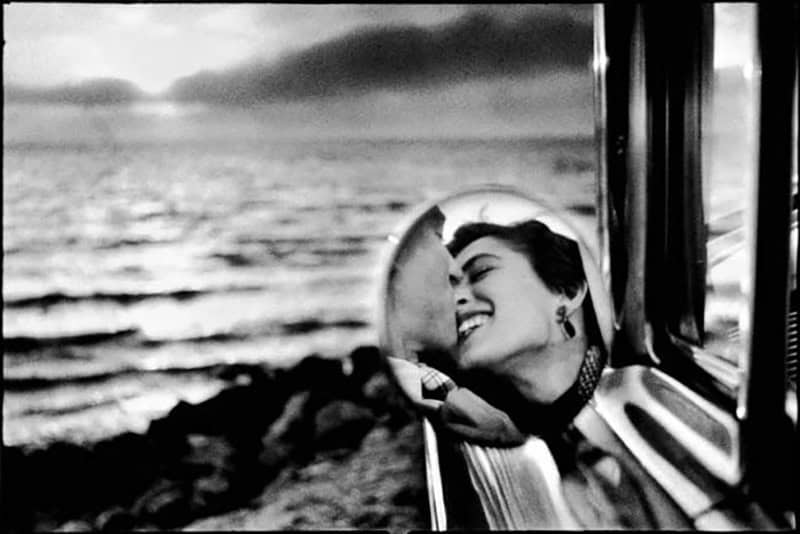
Some of his Photos

You might also like