(17 de noviembre de 1876, Herdorf, (Alemania) – 20 de abril de 1964 Colonia, Alemania)
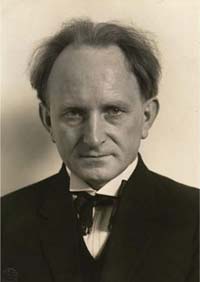
August Sander was a German photographer. Son of a carpenter who worked in a mine. While working in a mine, Sander learned the first rudiments of photography, helping a photographer who worked for the mining company. With the financial support of his uncle, he bought a photographic equipment and built a dark room. He did military service between 1897 and 1899 as an assistant to the photographer, and the following years he traveled through Germany
In 1901 he started working for a photographic studio in Linz, becoming the first partner in 1902 and then sole proprietor. In 1909 he left and opened a new studio in Cologne.
Perhaps, overnight, the unsuspected actuality of works like Sander’s will grow. Displacements of power, so imminent among us, often make a vital need for education, the refinement of physiognomic perceptions. Whether we come from the right or from the left, we will have to get used to being considered in terms of our origin. We will also have to look at others. Sander’s work is more than a book of photographs: it is an atlas that he exercises.
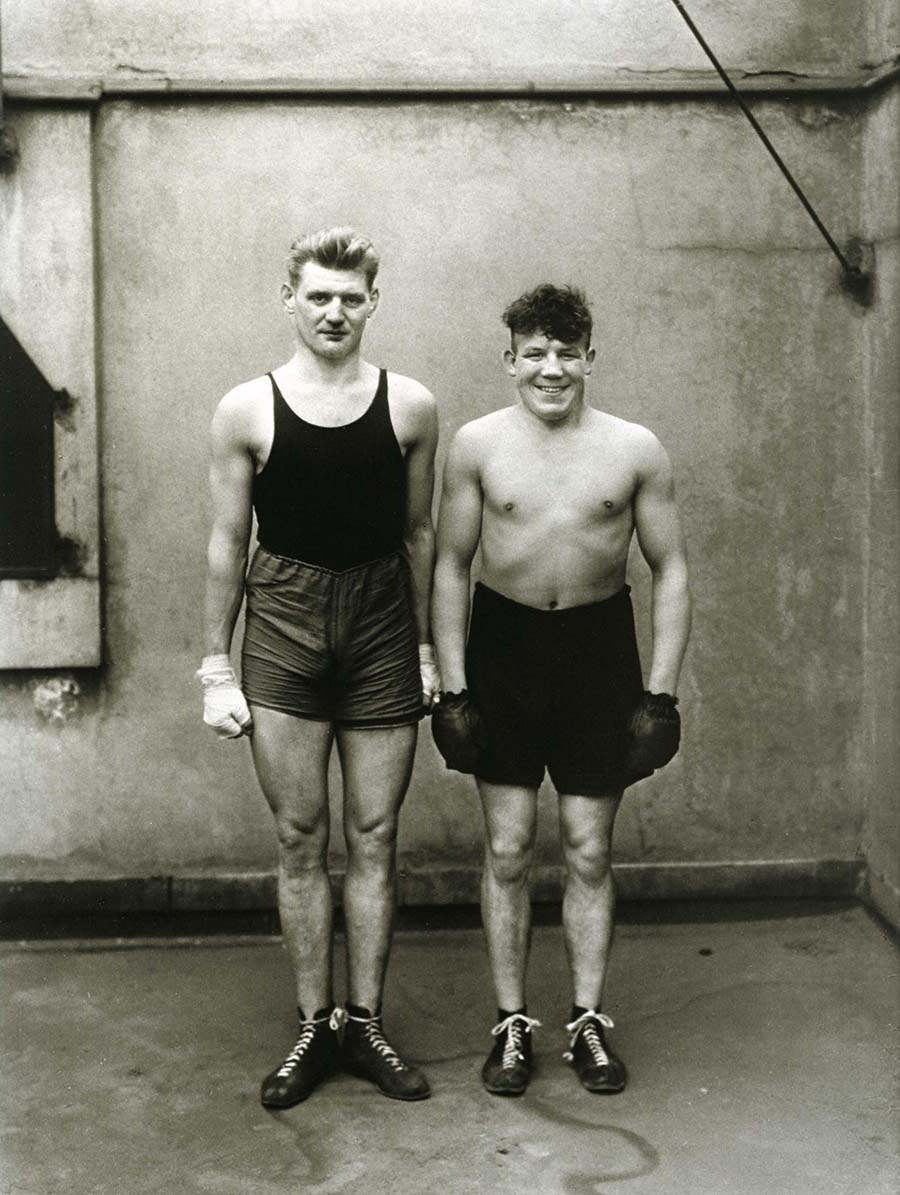
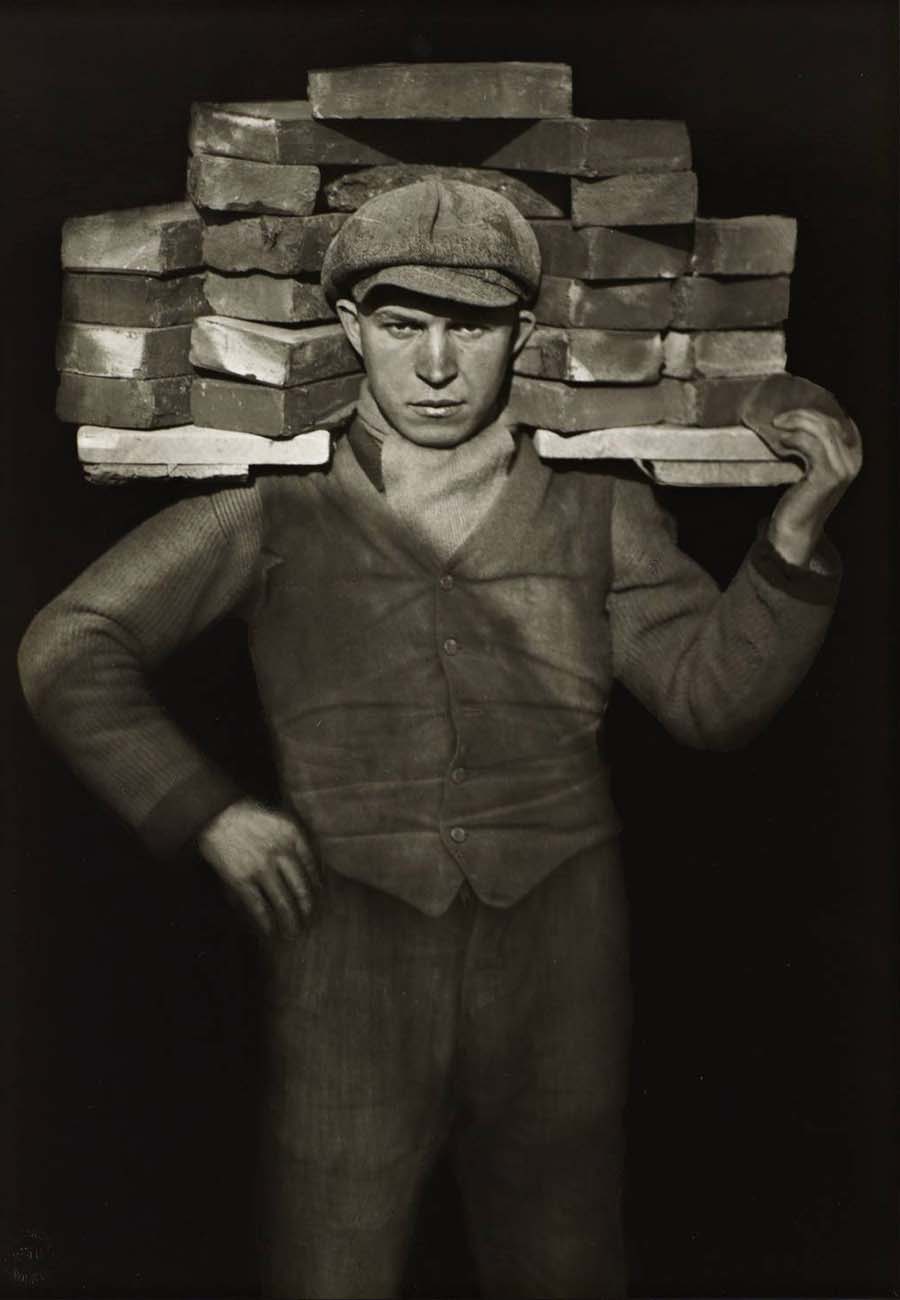
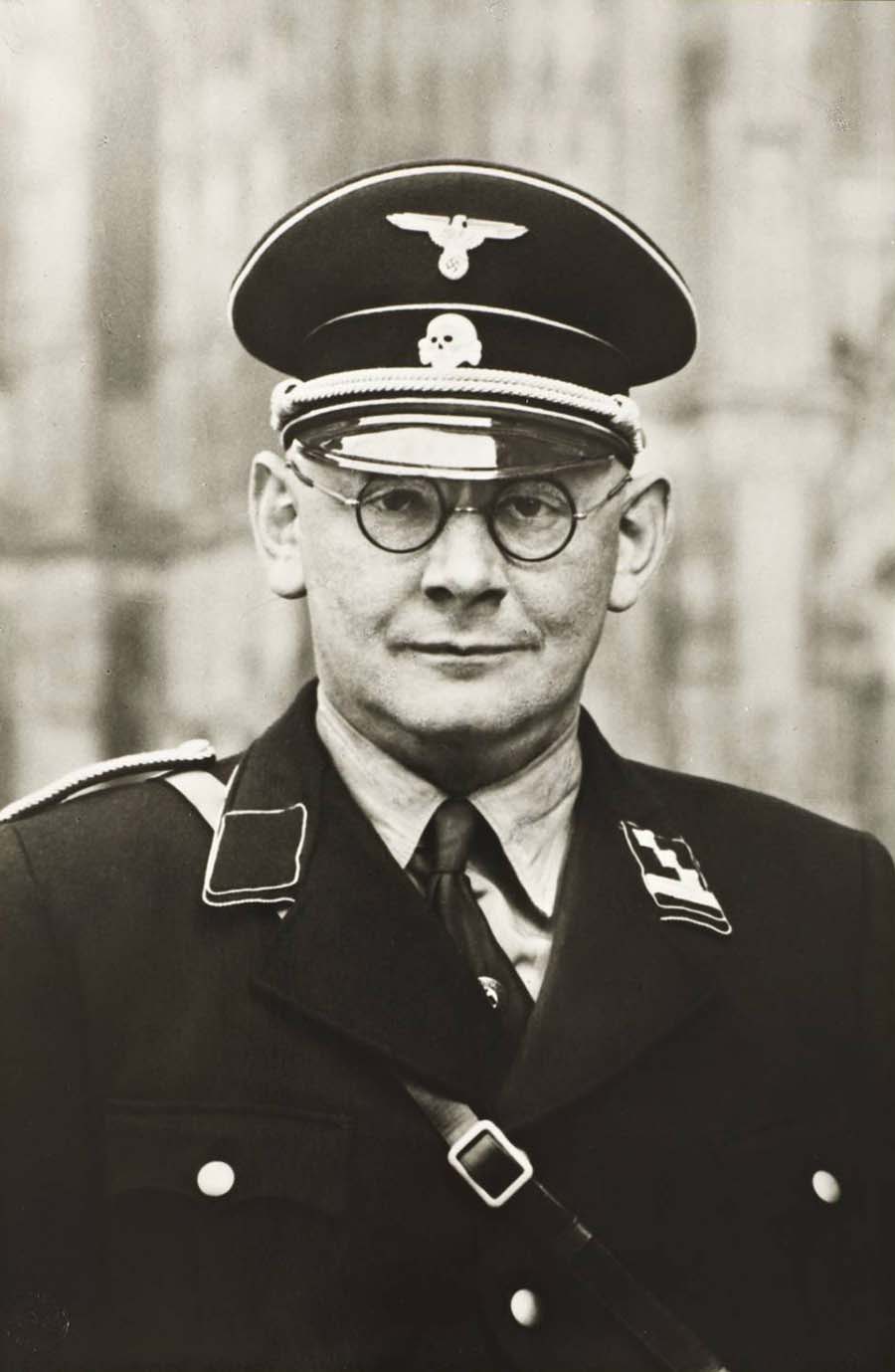
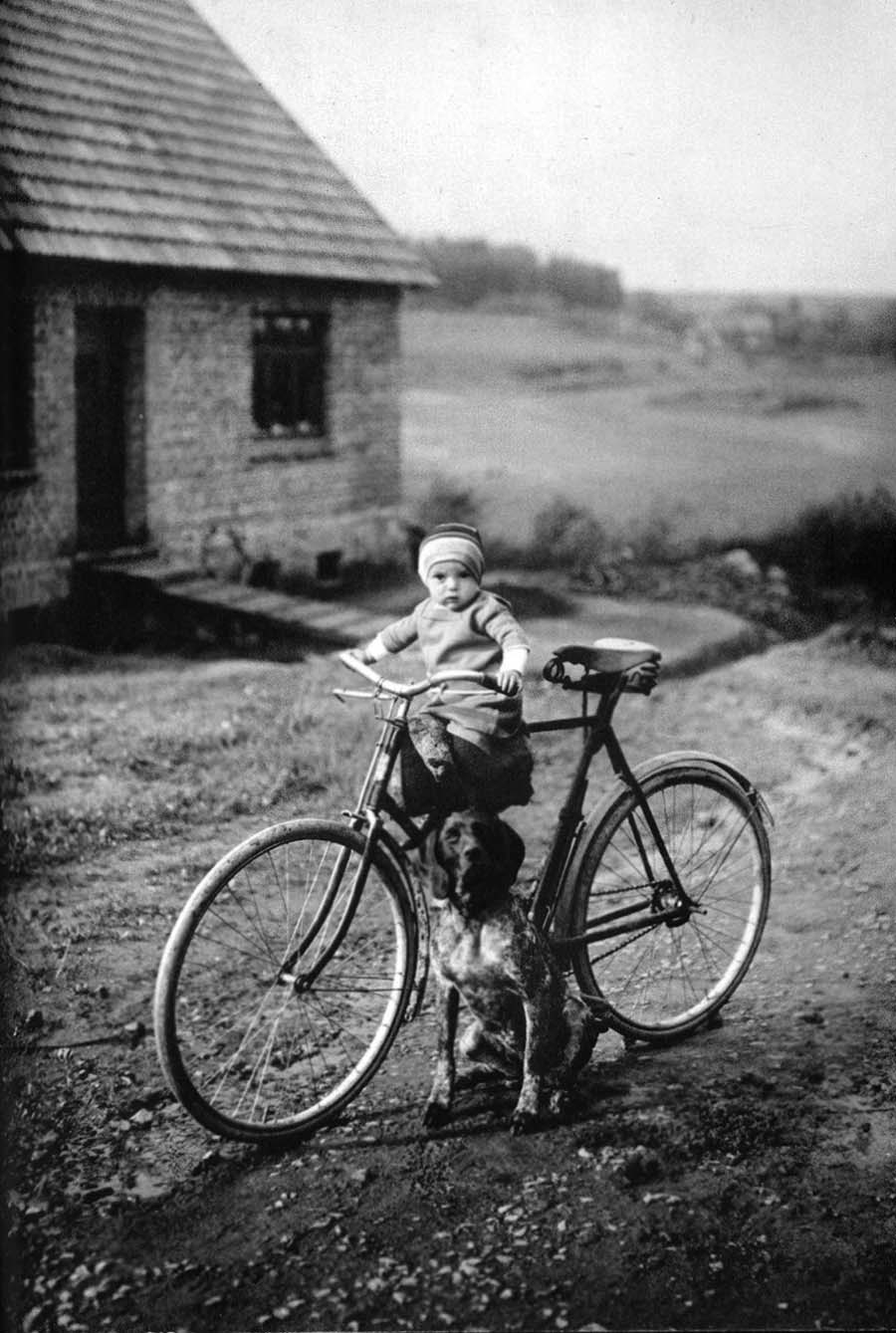
In the early 20’s, Sander joined the group of progressive artists in Cologne, and began a catalog of contemporary German society, through a series of portraits. In 1927, together with the writer Ludwing Matha, he traveled to Sardinia for three months, making about 500 photographs, however, his detailed diary of these trips was never completed.
The first book of Sander Face of our Time was published in 1929. It contains a selection of 60 portraits from the series Portraits of the 20th Century
With the arrival of the Nazis to power, their work and their personal lives were severely limited. His son, Erich member of the leftist party (Sozialistische Arbeiterpartei Deutschlands), was arrested in 1934, and sentenced to 10 years in prison, dying in 1944.2 shortly before the end of his sentence and the end of the war.
His book Face of our Time was seized in 1934 by the Nazis, and the plates were destroyed. During the following decade his works were directed mainly to photograph nature and landscape. When the Second World War broke out he left Cologne, moving to a rural area. Its study was destroyed in 1944 during a bombing.
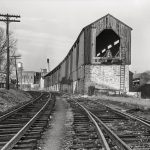
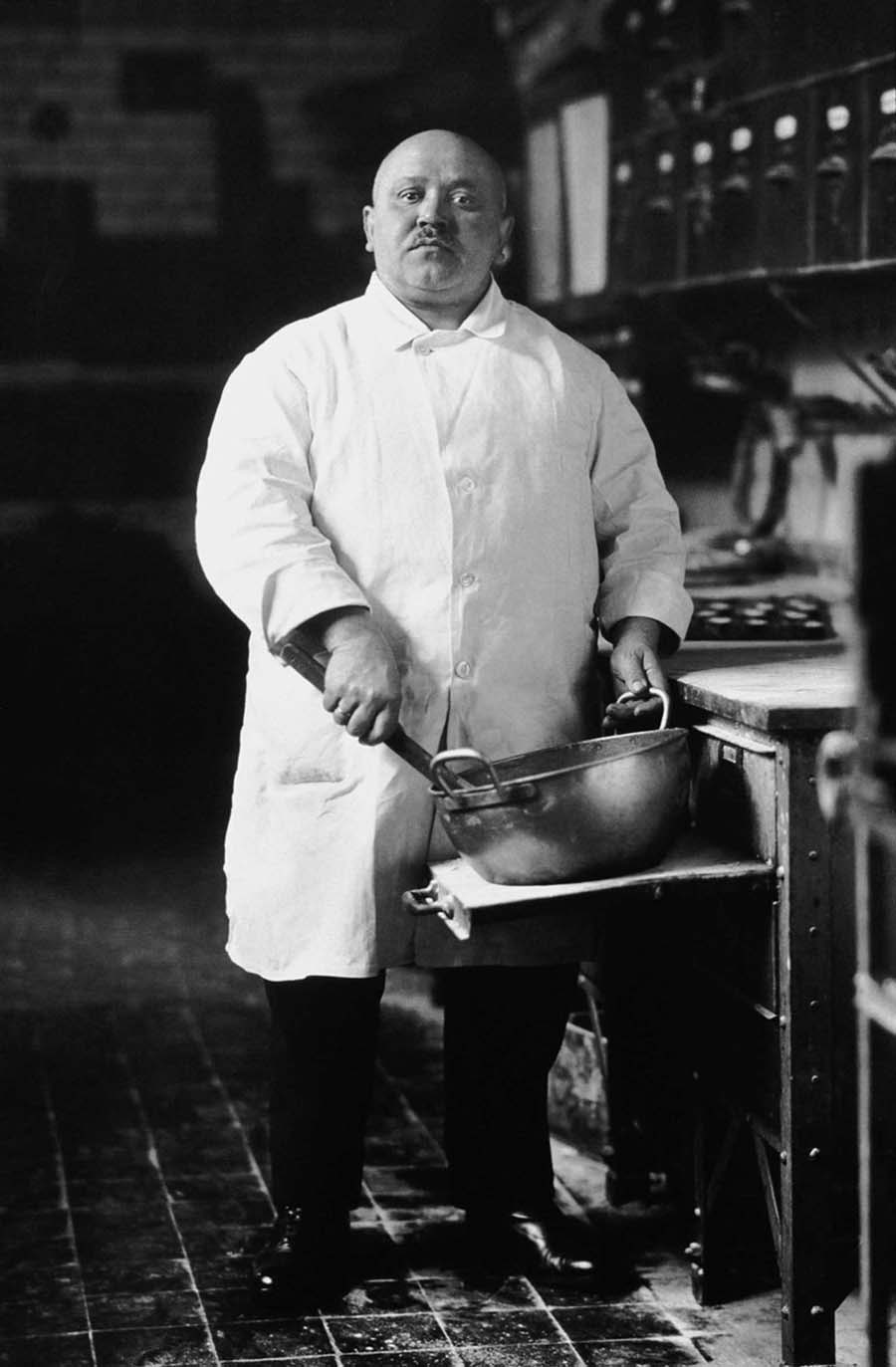
Sander’s work includes photographs of landscapes, nature, architecture, and street photography, but is especially famous for his portraits, as evidenced by the series Men of the Twentieth Century. In this series he tries to offer a catalog of German society during the Weimar Republic. The series is divided into seven sections: Peasants, merchants, women, classes and professions, artists, the city and the past, (the homeless, war veterans ..).
In 1961 he received the culture prize of the German photography association.
Links
Some of his pictures:

You might also like