(November, 5, 1891, Puno, Peru – september, 13, 1973)
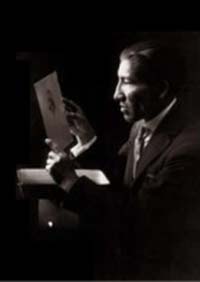 Martín Chambi Jiménez was an indigenous photographer born in Coaza, Carabaya Province, north of Lake Titicaca, in Peru. He is considered one of the great figures of photography. Recognized for his photos of profound biological and ethnic testimony, he has deeply portrayed the Peruvian population, both indigenous and the population in general.
Martín Chambi always sought to know more about his job, learn from his elders in Arequipa (where he met the Vargas brothers very young), in Cuzco, in Lima or abroad.
Martín Chambi was born into a family of Quechua-speaking peasants at the end of the 19th century. In his condition as an Indian and disinherited, the poverty and death of the head of the family makes the young Martin Chambi, just fourteen years old, emigrate to look for work in the multinationals that exploit the gold mines of Carabaya in the jungle on the banks of the river Inambari.
It is risky to insist too much on the testimonial value of your photos. They have it, too, but they express it to him as much as to the environment in which he lived and testify (…) that when he got behind a camera he became a giant, a true inventive force, the creator of life.
(Mario Vargas Llosa)
Fortune makes it his first contact with photography, where he learned his rudiments from the English photographers who work for the Santo Domingo Mining Co. This fortuitous encounter with the new technique ignites the spark that decides him to look for sustenance. as a photographer. To do so, he emigrated to the city of Arequipa in 1908, where photography is highly developed and where figures of notable photographers who came for a long period of time marked their own style and handled an impeccable technique stand out.
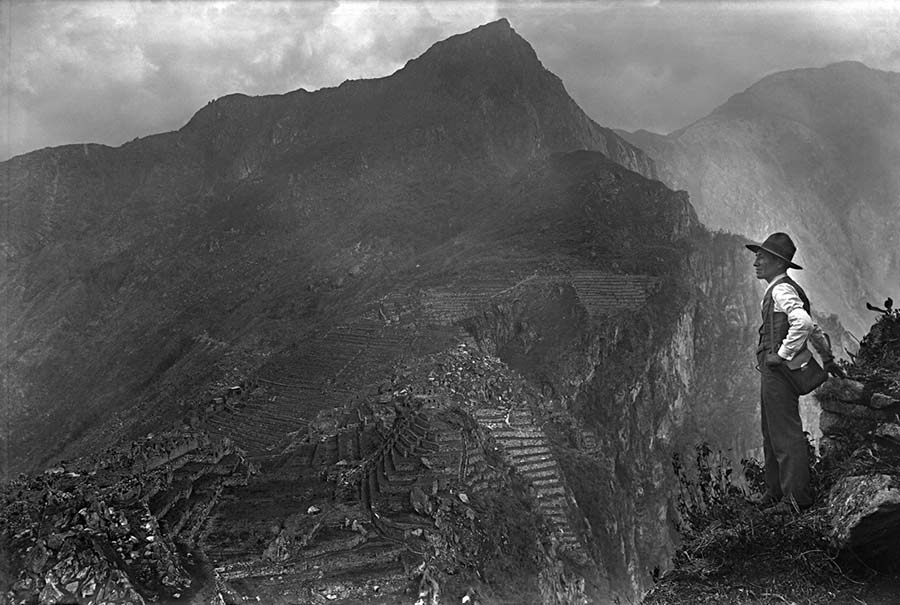
The social and cultural context in which it developed was optimal, as a growing wave of tourist and historical interest and archaeological research (the citadel of Machu Picchu was officially discovered in 1911), as well as the arrival south of the modern benefits of the technology (motorcycles, automobiles, air flights, new roads) were undoubtedly the visual stimuli of his restless observer spirit. Chambi was one of the protagonists of the so-called School of Photography Cusqueña. He exhibited in life at least ten times, both in Peru and outside of it.
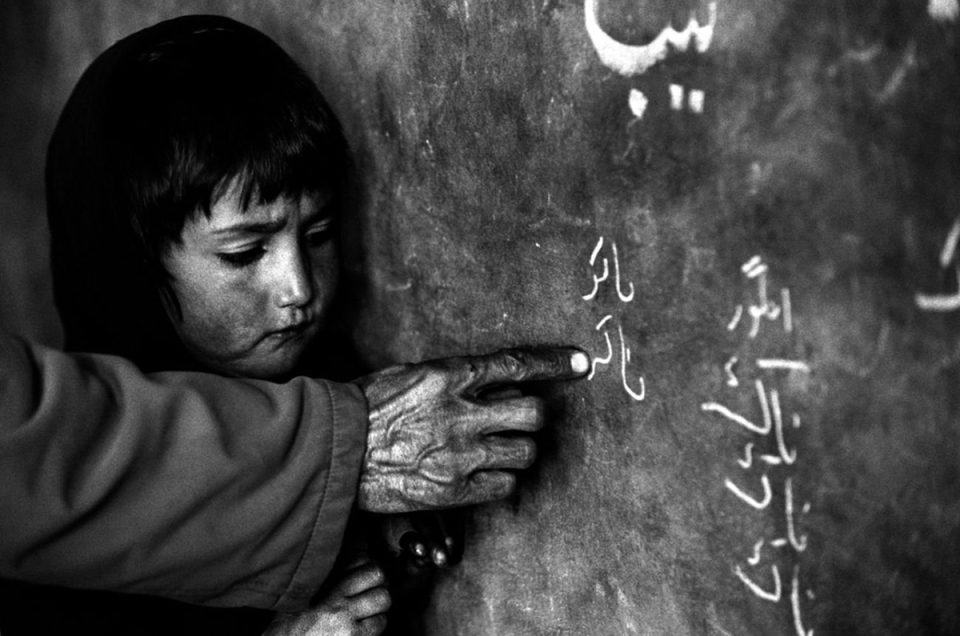
I have read that in Chile it is thought that the Indians have no culture, that they are uncivilized, that they are intellectually and artistically inferior in comparison to whites and Europeans. More eloquent than my opinion, in any case, are the graphic testimonies. It is my hope that an unbiased and objective report will examine this evidence. I feel that I am representative of my race; My people speak through my photographs.
Martín Chambi, 1936
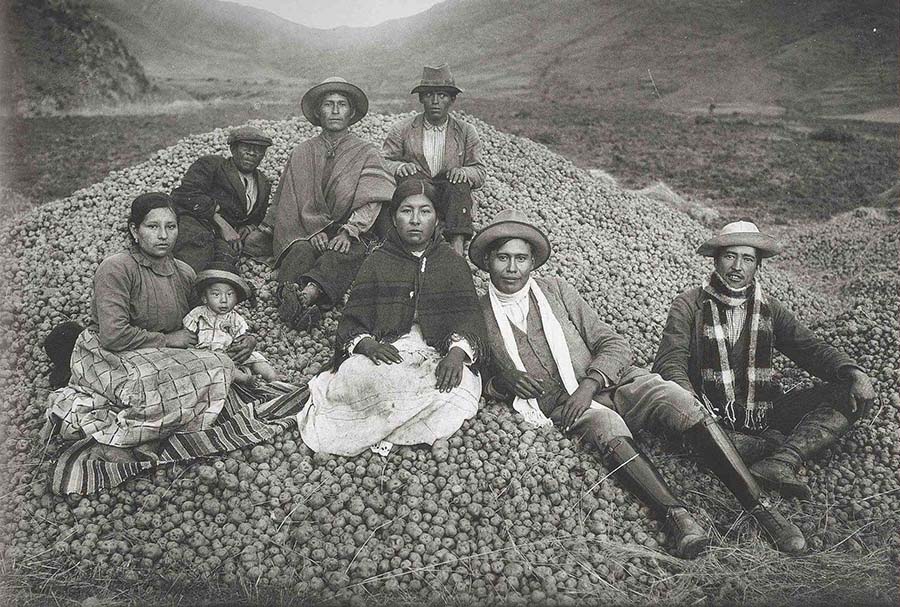
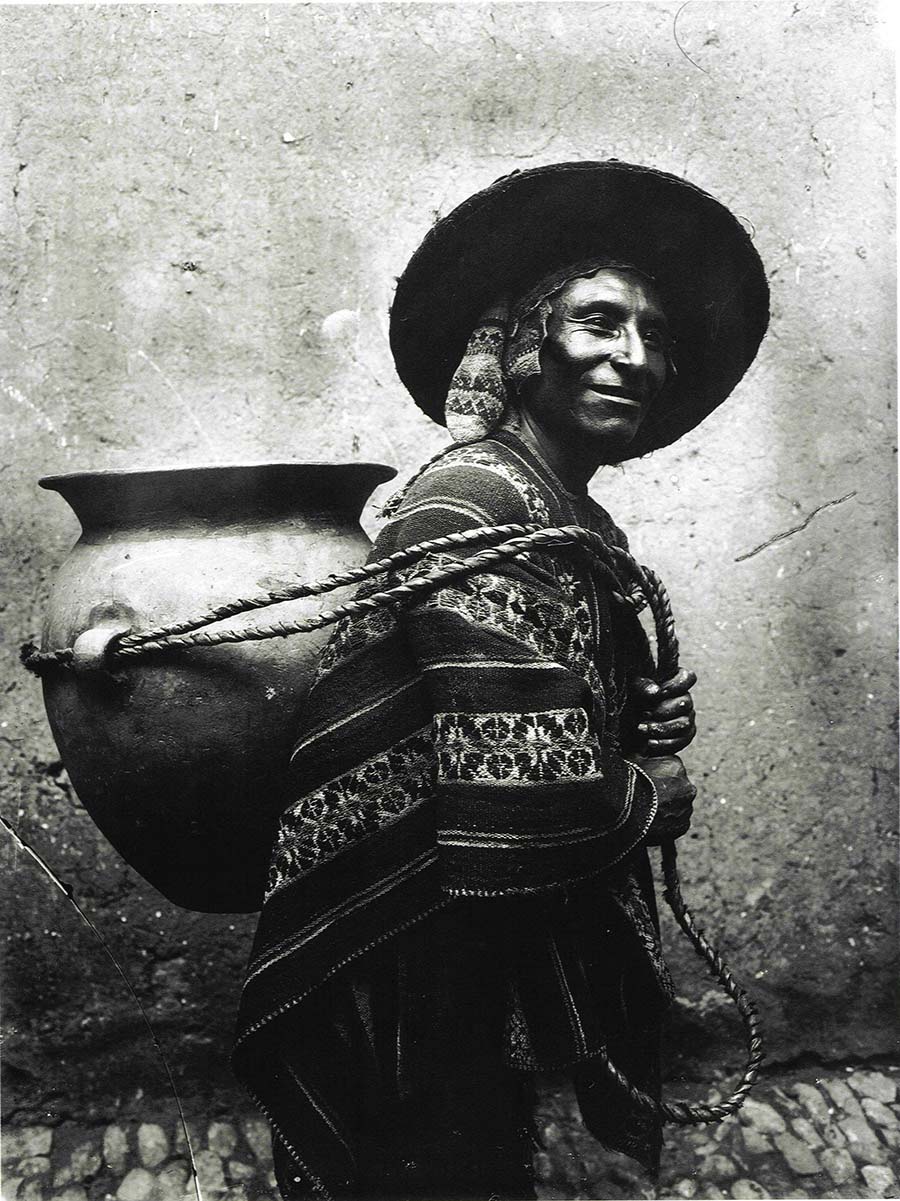
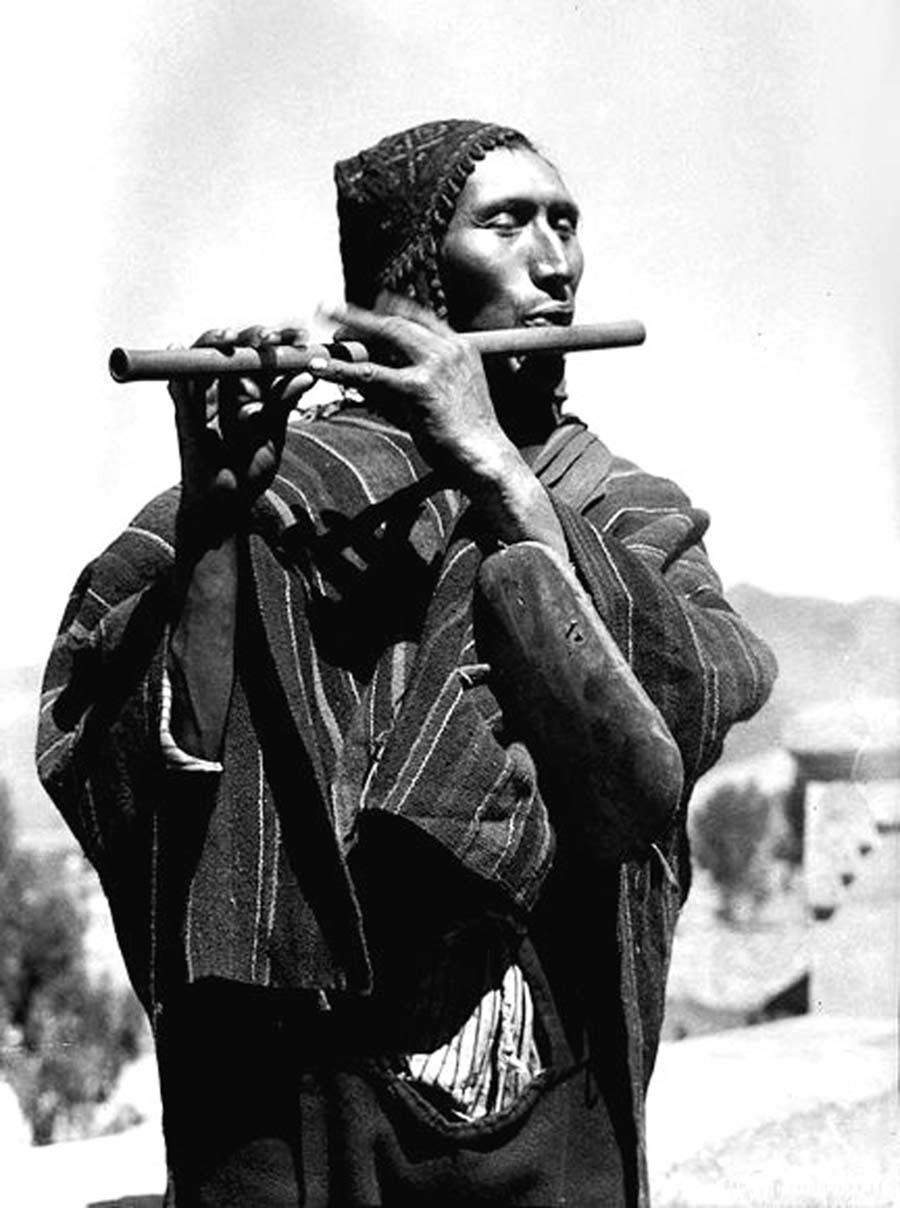
Many critics claim that he divided his work into two groups: the commercial one, which included portraits by commission, in studio and abroad, as well as large group portraits and the other of personal character, which included his anthropological record, basically portraits of the Andean ethnic group and traditional local registry, there would also be its numerous urban views of Cuzco and its views of archaeological remains. Although this part of the work is quantitatively smaller, it is distinguished by having been carried out with remarkable persistence and continuity.
His photography
The famous shots in which captures crucial instants of the modern life of the ancient capital of Tahuantinsuyo (for example, the first aerial flight by Velasco Astete) would be, rather, in the middle point of both modalities.
It is said that he had a clear practical sense as a professional of the image. This is indicated by experts in the field such as the filmmaker José Carlos Huayhuaca, author of the book “Martín Chambi, photographer”, who states that he was a man “with his feet on the ground”, although not to the point of doing things for monetary reasons , otherwise he would have stayed in Arequipa, where he had more possibilities than in Cuzco. One of the stages of his life rarely mentioned in detail has been his work as a photojournalist for the newspaper “La Crónica” and the magazine “Variedades” (1920-1927), Peruvian publications that illustrated many of its pages during the centennial of Augusto B. Leguía and Salcedo with unpublished photographs of Chambi, all of them very suggestive, clear and perfectly conceived.
Events, curiosities, singular events, news in short, was what the lens of Puno, adopted by Cuzco, revealed in the daily work, and not only for the capital of Lima, but also for the cosmopolitan city of Buenos Aires, where it collaborated in the newspaper “La Nación”.
And it is that his work transcends personal concerns and reaches depth in the collective soul of the people. In his case, the photographic art does not become vertically indigenist parameters, as one might think, although that stimulus of vindication helped him to become aware of his cultural identity, but it is truly enriched by himself, as an artist who was in the effort to capture the uniqueness of each person, situation or landscape.
After enjoying in life the recognition of the critic, the press and the public, he suffered a decline in his health and perhaps also in his work. Despite this, in 1958, when celebrating his golden wedding as a professional, his figure was renewed and even regained presence in the media in interviews and reports. An important part of the Chambi file, she was under the care of her daughter Julia, and until her death on October 15, 2006, she has traveled to different countries in Latin America. The initiative to observe the reproductions started from the same institutions and foreign associations, like the Collective of photographers of Uruguay; the San Martín Museum of Argentina; the Palace of Fine Arts of Chile and the Friends of Photography of São Paulo, Brazil.
The archive whose plates are well preserved by the dry climate of Cuzco and the attention of the family, should have anyway an unbeatable infrastructure that protects the valuable material.
Everything is kept in the boxes left by my grandfather, with his own classification of handwriting. They are around 30,000 plates; plus 12,000 to 15,000 photographs in rolls, which is a recent discovery whose details we will soon publish.
Teo Allain Chambi, Grandson of the artist and Director of the Photographic Archive Martín Chambi. Despite his previous statements, the grandson of the artist, however, recognizes the need for a digital systematization of work, so that the plates or photos are no longer directly manipulated.
Only after her death, which occurred in 1973, did her work come back to be studied, appreciated and admired all over the world, from international exhibitions, such as the one that was held in the mid-1990s in the Círculo de Fine Arts of Madrid, Spain, or the most recent one, in November 2001, in Paris, France, in the sober atmospheres of the Cervantes Institute.
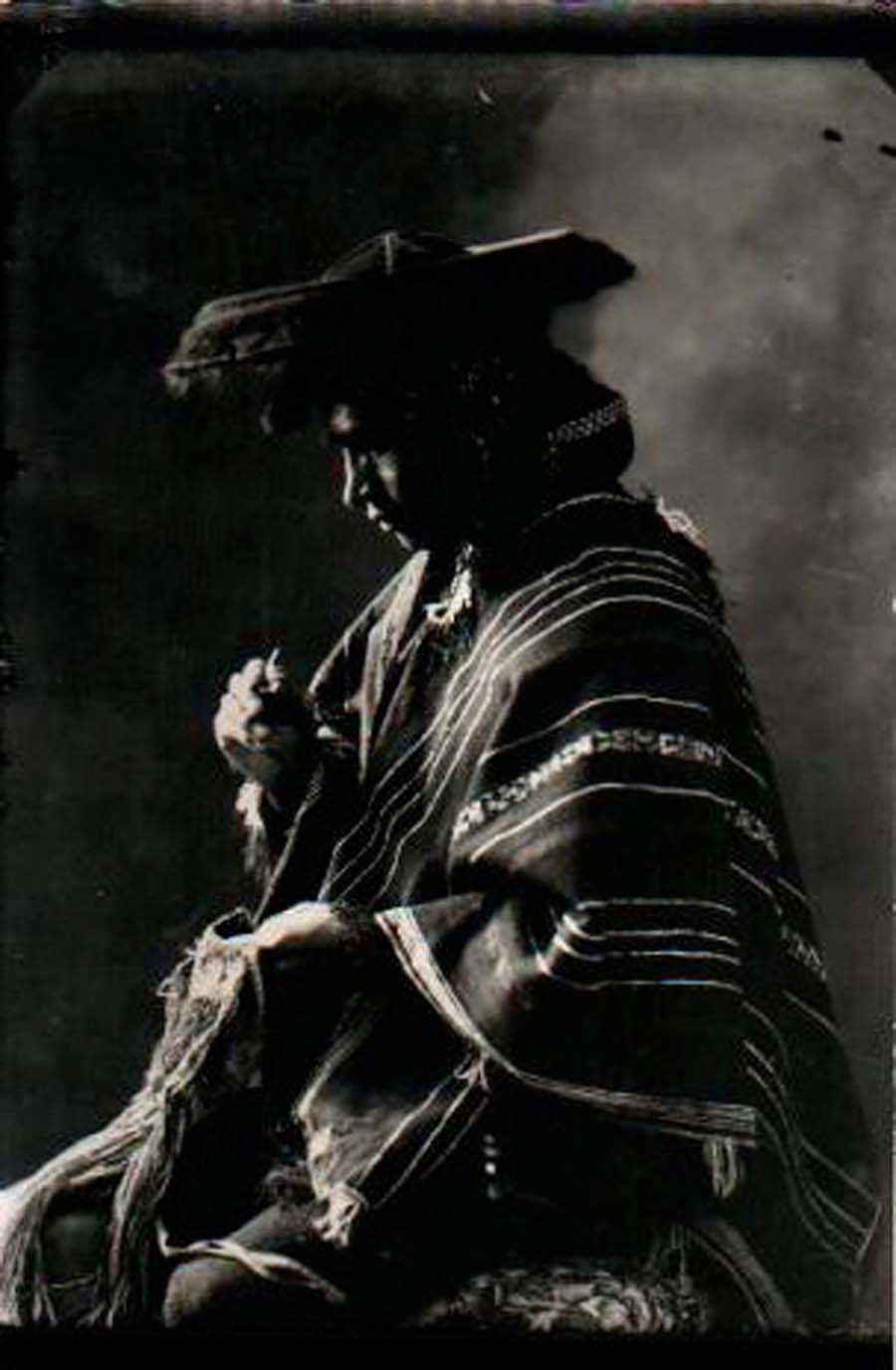
There are in the memory notable photos such as Víctor Mendívil with a peasant from Paruro (1932), Organist in the Tinta chapel (1936), Orchestra of the Echave family (Cuzco, 1931), as well as the Chicha y sapo, cusqueñas customs ( 1930), among other shots.
It is necessary to mention that, notwithstanding the effort of the photographer to spread his work (exhibitions in the interior, in Lima and outside the country prove it), it did not manage to remain in the memory of the men and women of his country until A few years ago, the name of Martín Chambi tells us just as much as his impressive images.
Context
Chambi was born in a rural village in the heart of a rural community of Quechua indigenous traditions. In Chambi there was the fortunate concurrence of several historical circumstances, the main ones, without going into detail, the late arrival of the industrial revolution in the Andes, with all the consequences of modernity and tradition; the relative local economic boom, motivated mainly by increased trade, improvements in communication and services, and the consequent growing tourist interest in Cuzco, and the emergence of pro-indigenous social and political programs emerging from urban centers with its important correlate of artistic-literary movements that permeated in the cultural activity.
While Chambi took advantage with resolution, sagacity and talent of the situation in which he was, this is totally unrepeatable. What’s more, Chambi was an isolated case. The possibility that he had to perform his work as he did was as exceptional as his social ascent. Which does not mean at all that Chambi was the only photographer in Cuzco at that time, it is more, it seems that the social, economic and cultural effervescence of those days propitiated in Cuzco the necessary climate for a wave of photographers to develop works peculiar but until now it is the only one that traces the social scale in this way and also, somewhat unfairly, the only one whose work has been widely recognized. The photography in Cuzco of the first decades of the 20th century was another sign of the thriving modernity that permeated society, together with the railroad, the motorcycle, the automobile and the airplane, whose arrival has been faithfully documented by Chambi.
The photography in that new environment was in turn a mark and a mark, it was a means of registration and a means of shaping immigration, of oneself, of others, and also of the environment in which it was operated. In fact there was a significant encounter of traditional forms of immigration, not only those prevailing in the bourgeois milieu that supported Chambi, but also the forms of the less favored groups, the mestizos and the indigenous. And all these imaginations in turn met with the advantages, limitations and demands of modernity. Because of its particular characteristics, the photographic phenomenon itself was a scenario that influenced tremendously in the forms of immigration and left printed these meetings, all the shocks, stumbles and bruises. Chambi almost all he does is respond with skill to both the stimulus of the prevailing culture and its origins; it feeds on culture to feed the culture in turn.
Links
Some of his Photos

You might also like